

Free Benning Manuals – Read, Download & Print
41 Manuals
Manuals

39 Pages
79 Pages
112 Pages
137 Pages
60 Pages
104 Pages
127 Pages
52 Pages
34 Pages
58 Pages
30 Pages
46 Pages
47 Pages
38 Pages

49 Pages

39 Pages
124 Pages

37 Pages
78 Pages
107 Pages
69 Pages
91 Pages
144 Pages

118 Pages
129 Pages
100 Pages
128 Pages
137 Pages
87 Pages

46 Pages
58 Pages
28 Pages

73 Pages
102 Pages
17 Pages
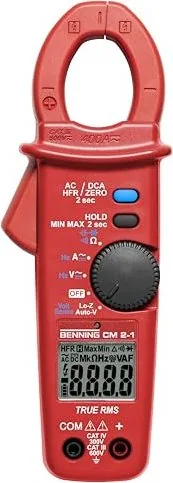
44 Pages
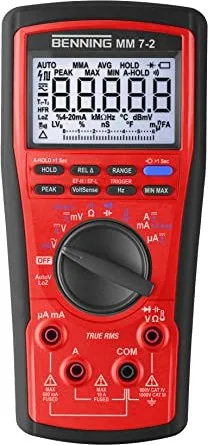
50 Pages
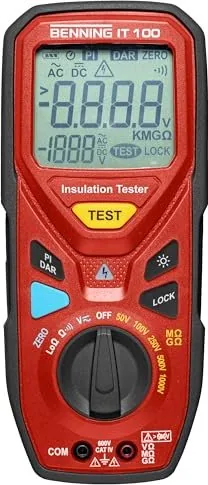
42 Pages
64 Pages
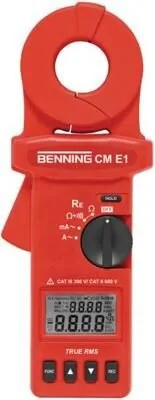
38 Pages
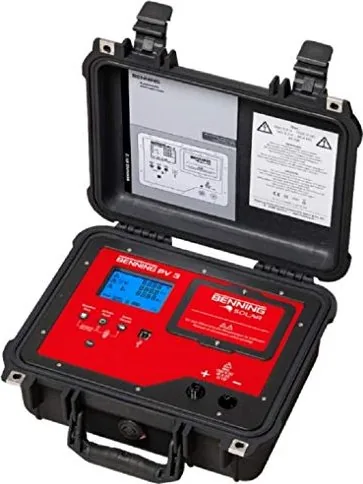
26 Pages
Categories

Free Benning Manuals - Read, Download & Print
Find Benning Product Manuals and Technical Documentation
Accessing the right documentation is essential when using professional electrical measurement, testing, and safety equipment. Free Benning manuals help users understand device features, operating limits, test procedures, maintenance requirements, and safety instructions for compatible Benning instruments. Whether you need guidance for a multimeter, insulation tester, installation tester, clamp meter, voltage tester, power analyzer, or photovoltaic testing tool, a clear manual can make everyday work more efficient and dependable.
Benning manuals are useful for electricians, maintenance technicians, field service professionals, facility managers, educators, and technically minded users. Product documentation can explain how to set up an instrument, select the correct measurement range, interpret display values, use accessories, replace batteries, and care for the device between jobs. Before using any electrical test instrument, always review the applicable safety information and confirm that the manual matches the exact model and version in your possession.
Read Benning Manuals Online
Reading a Benning manual online offers a convenient way to review important information without carrying printed paperwork. Digital manuals can be especially helpful when preparing for site work, checking a measurement function, confirming a wiring test sequence, or locating a specification quickly. Search within the document for terms such as continuity, resistance, voltage, current, insulation, CAT rating, fuse, calibration, or battery to find relevant sections faster.
A typical manual may include an overview of the instrument controls, display symbols, measurement modes, technical specifications, operating conditions, cleaning guidance, storage requirements, and troubleshooting notes. It may also identify approved leads, probes, clamps, adapters, chargers, and replacement parts. These details matter because using unsuitable accessories or applying an instrument outside its rated category can create inaccurate results or safety risks.
For the most reliable information, use documentation supplied with the product or made available by Benning or an authorized distributor. Official documents are more likely to reflect current safety notices, model revisions, language options, and technical corrections. If a manual found online does not clearly identify the model number, document version, or manufacturer source, compare it carefully with the labels on the instrument before relying on it.
Download the Correct Manual for Your Model
When looking for a Benning manual to download, begin with the full model name printed on the front, rear, battery compartment, product label, or original packaging. Similar instrument names can have different capabilities, input limits, test functions, and operating instructions. A manual for one variation should not automatically be used for another variation.
Check the manual title, product image, technical data, and safety category markings against your device. Many professional instruments are designed for specific types of electrical work, and their instructions may differ substantially. For example, a handheld digital multimeter may focus on voltage, current, resistance, and continuity measurements, while an installation tester may include procedures for loop impedance, RCD testing, insulation resistance, and protective conductor continuity. A photovoltaic tester can contain additional instructions related to DC systems, solar strings, irradiance conditions, and high-voltage handling.
Keep downloaded manuals in a clearly named folder so they are easy to locate when needed. A practical file name can include the manufacturer, model, language, and document date. Saving the manual together with calibration records, purchase information, test lead details, and maintenance notes can help support organized equipment management.
Print Manuals for Workshop and Field Use
Printing a Benning manual can be useful in workshops, maintenance rooms, training environments, and mobile service vehicles. A printed copy gives users a quick reference when internet access is limited or when a screen is inconvenient. Consider printing key sections such as safety warnings, control descriptions, measurement instructions, fuse replacement information, and technical specifications.
For longer manuals, print only the pages needed for regular tasks and retain the full digital version for reference. Use double-sided printing where appropriate, and protect frequently used pages in a binder or sleeve. Clearly label printed copies with the model number so that documents do not become mixed with manuals for similar instruments.
Printed instructions should remain legible and complete. Do not remove safety pages or warning symbols from a working copy. If a manual has been updated, replace older printed versions so technicians are not relying on outdated procedures. In professional environments, supervisors may also wish to maintain controlled copies of important operating instructions near shared equipment.
What You Can Learn From a Benning Manual
Benning manuals are designed to help users operate instruments correctly and understand their limits. The first section often introduces the device, intended use, and included accessories. This information helps confirm whether the instrument is suitable for the required task. It may also explain symbols used on the housing and display, including warnings about hazardous voltage, double insulation, battery status, continuity indication, and measurement category.
Safety information is one of the most important parts of any electrical instrument manual. Read all warnings before connecting test leads or clamps to a circuit. Confirm the measurement category, maximum input voltage, current terminal restrictions, fuse requirements, environmental limitations, and required personal protective equipment. Never assume that a device is safe to use on every electrical system simply because it measures voltage.
The operating section normally describes how to switch between functions and ranges. It may explain automatic versus manual ranging, data hold, minimum and maximum capture, relative measurements, frequency readings, diode tests, non-contact voltage detection, backlight controls, and automatic power-off settings. Follow the stated sequence for connecting leads, selecting terminals, and disconnecting the instrument after a measurement.
Technical specifications help users understand accuracy, resolution, response time, input impedance, overload protection, and operating temperature. These values are important when evaluating a reading or deciding whether a particular instrument is appropriate for a task. A measurement that appears precise on screen may still be outside the specified accuracy range if the instrument is used in unsuitable conditions or at an unsupported frequency.
Safe Use and Routine Care
A manual is not only a guide to features. It is also a key source of safety and maintenance information. Inspect the instrument, leads, probes, clamps, connectors, and insulation before use. Replace damaged accessories immediately. Do not use a meter with cracked housing, exposed conductors, loose terminals, missing covers, or unreadable safety markings.
Verify proper operation before and after testing a live circuit by checking the instrument on a known source where appropriate. This common practice can help identify a damaged lead, weak battery, blown fuse, incorrect function selection, or failed input circuit. Always follow the specific verification procedure stated in the applicable manual and workplace safety rules.
Battery and fuse replacement instructions should be followed exactly. Switch off the instrument, remove test leads from circuits, and use only approved replacement types. Opening an instrument incorrectly or fitting the wrong fuse can compromise protection. If calibration, repair, or internal inspection is required, use an authorized service provider or qualified personnel according to the manufacturer's guidance.
Keep the device clean and dry. Store it in a protective case away from extreme heat, moisture, dust, vibration, and direct sunlight. Avoid using aggressive cleaners or solvents unless the manual specifically permits them. Regular care can extend the useful life of the instrument and help preserve measurement reliability.
Choose Trusted Documentation Sources
The best place to find free Benning manuals is the official Benning website, the support area for your regional market, or an authorized dealer's product page. These sources may provide operating instructions, data sheets, declarations, software information, product catalogs, and service contacts. Availability can vary by product age, country, and document language.
If an official manual is unavailable, contact Benning customer support or an authorized distributor with the complete model number and serial number. They may be able to identify the correct documentation or advise whether a newer equivalent model is supported. Avoid unofficial scans that are incomplete, poorly translated, altered, or unrelated to the exact instrument. Respect copyright and use only documents that are legally provided or authorized for download.
Keep Your Benning Manual Ready When It Matters
A reliable manual supports safer decisions, clearer measurements, and better long-term care of professional test equipment. Read it before first use, download a permitted copy for convenient access, and print essential pages when a physical reference is needed. By matching the documentation to the exact Benning model and following the stated safety guidance, users can get more value from their equipment while helping maintain a safer working environment.
Search for 67,706 Manuals online


Type-in Brand or Model