

Free Formfutura Manuals – Read, Download & Print
26 Manuals
Manuals
5 Pages
5 Pages
4 Pages
4 Pages
4 Pages
4 Pages
4 Pages
4 Pages
5 Pages
5 Pages
4 Pages
5 Pages
4 Pages
5 Pages
5 Pages
4 Pages
4 Pages
4 Pages
4 Pages
4 Pages
5 Pages
5 Pages
4 Pages
7 Pages
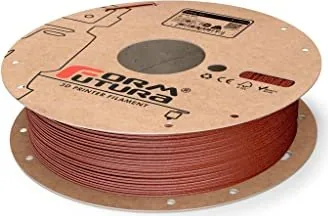
6 Pages
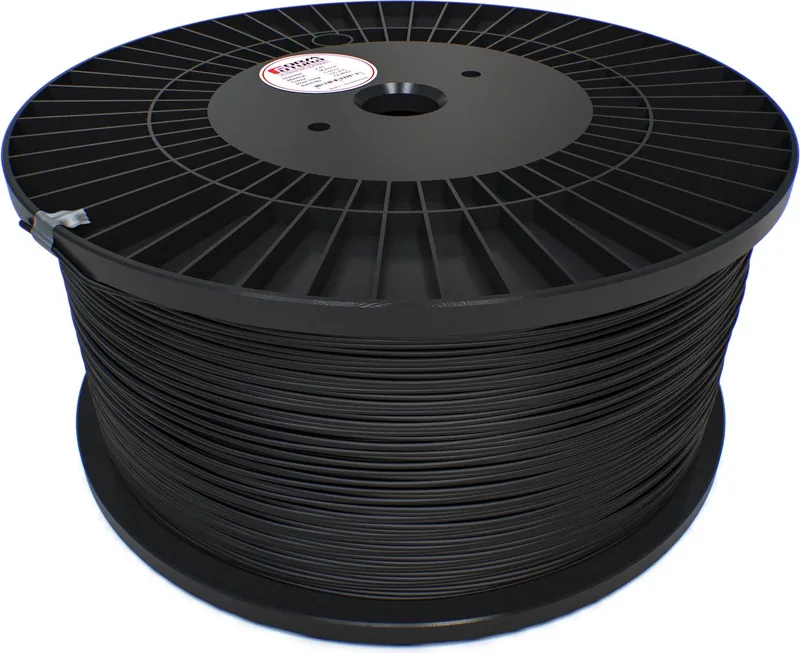
6 Pages
Categories

Free Formfutura Manuals - Read, Download & Print
Introduction to Formfutura Documentation Resources
Formfutura is a leading manufacturer of high-performance 3D printing filaments and materials, known for producing innovative solutions such as carbon-fiber reinforced polymers, heat-resistant plastics, and flexible filaments. For users who rely on these advanced materials, having access to comprehensive documentation is essential for achieving optimal print results. The availability of free Formfutura manuals provides a critical resource for both novice and experienced 3D printing enthusiasts. These guides cover everything from basic filament handling to advanced parameter settings required for specific material types. By offering free access to read, download, and print these manuals, Formfutura ensures that their customer base has the tools necessary to maximize the potential of their hardware and software setups.
The importance of proper documentation cannot be overstated in the field of additive manufacturing. Each type of filament behaves differently under heat and pressure, requiring unique temperature profiles, bed adhesion strategies, and cooling requirements. Without accurate information, users may encounter issues such as clogged nozzles, warping, layer separation, or poor surface finish. The Formfutura manual library addresses these challenges by providing detailed technical specifications and practical advice tailored to each product line. Whether you are working with PETG, ABS, PLA, or specialized composites like Formfutura CarbonX or PolyMax, the corresponding guide offers step-by-step instructions to ensure success.
Comprehensive Coverage of Filament Types
One of the primary strengths of the Formfutura manual collection is its extensive coverage of various filament categories. The documentation is organized to help users quickly locate the specific guide they need based on the material they are using. For standard thermoplastics like PLA and PETG, the manuals focus on fundamental printing parameters, storage recommendations, and troubleshooting common defects. These sections often include charts detailing optimal nozzle temperatures, bed temperatures, and print speeds. Users can learn how to adjust flow rates and retraction settings to minimize stringing and improve dimensional accuracy.
For more advanced materials, the manuals delve into complex processing requirements. Formfutura specializes in engineering-grade filaments that demand precise environmental control. Guides for products such as PolyCarbonate (PC), Nylon, and TPU provide in-depth analysis of moisture sensitivity, annealing procedures, and enclosure usage. The documents explain why certain materials require heated chambers to prevent warping and how to properly dry filament before use to avoid bubbling or degradation during extrusion. This level of detail empowers users to push the boundaries of what is possible with desktop and industrial 3D printers.
Specialty filaments containing additives like carbon fiber, glass fiber, or metal particles also receive dedicated attention. The manuals for these composite materials highlight the abrasive nature of the fillers and recommend hardened steel nozzles to prevent wear. They offer guidance on adjusting flow multipliers to account for the reduced volume of polymer in the mixture and suggest cleaning protocols to maintain printer health. By addressing the unique challenges posed by these high-performance materials, the Formfutura resources enable users to produce durable, functional parts with exceptional mechanical properties.
Practical Guides for Setup and Troubleshooting
Beyond theoretical knowledge, the Formfutura manuals excel in providing actionable advice for real-world printing scenarios. Each document includes a troubleshooting section designed to help users diagnose and resolve common issues. If a user experiences delamination between layers, the manual will suggest increasing bed temperature or improving first-layer adhesion techniques. For problems related to under-extrusion, the guide may recommend checking for clogs, verifying filament diameter consistency, or recalibrating the extruder steps per millimeter.
Setup instructions are equally thorough, covering the entire workflow from unboxing to the final print. Users are guided through the process of storing filament correctly to maintain its integrity, emphasizing the use of dry boxes or vacuum-sealed bags with desiccants. The manuals also discuss the importance of calibrating the printer before switching to a new material, including leveling the build plate and tuning the Z-offset. These practical tips are invaluable for maintaining consistent quality across multiple prints and reducing material waste due to failed attempts.
Additionally, the documentation often features case studies and application examples that demonstrate successful projects using Formfutura materials. These examples inspire creativity and show users how to leverage the unique characteristics of different filaments for specific end-use applications. Whether designing prototypes, creating tooling fixtures, or manufacturing end-use parts, the manuals provide the confidence needed to tackle challenging projects with precision and reliability.
Accessibility and Usage Benefits
The commitment to making these manuals freely available enhances the overall user experience significantly. By allowing users to read online, download PDF versions, and print hard copies, Formfutura accommodates diverse preferences and working environments. Those who prefer digital reading can access the content instantly on tablets or laptops while setting up their printers. Others may choose to download the files for offline access, ensuring that documentation is available even in areas with limited internet connectivity. Printing the manuals is particularly beneficial for those who work in workshops where having a physical reference guide nearby streamlines the troubleshooting process without needing to switch screens constantly.
The accessibility of these resources fosters a stronger community around Formfutura products. When users have easy access to reliable information, they are more likely to share their successes and insights with others. This collaborative environment accelerates learning and innovation within the 3D printing industry. Furthermore, the ability to print manuals ensures that critical safety warnings and handling instructions are always visible, promoting safe practices in the lab or workshop.
In conclusion, the free Formfutura manuals serve as an indispensable tool for anyone utilizing their advanced 3D printing filaments. With detailed coverage of various material types, practical setup and troubleshooting advice, and flexible access options, these documents empower users to achieve professional-quality results. Whether you are a hobbyist exploring new materials or a professional engineer developing robust components, the Formfutura manual library provides the knowledge and support needed to succeed in the dynamic world of additive manufacturing.
Search for 67,706 Manuals online


Type-in Brand or Model