
Formfutura LimoSolve HIPS Manual
PDF manual · 4 Pages
English



Quick check
Incorrect answer, please try again.
Chat with your Formfutura LimoSolve HIPS manual using AI
Get instant AI answers from your Formfutura LimoSolve HIPS manual
Ask anything about the Formfutura LimoSolve HIPS. Answers come from this manual, with the pages they are based on.
Ask a Question
Do you recommend LimoSolve HIPS?
Yes NoFrequently Asked Questions
It is a HIPS-based monofilament designed for FFF/FDM 3D printing. The material is suited to practical printing workflows where a stable, low-odor, and easy-to-manage filament is preferred.
Is this answer helpful?
When handled correctly, it is not classified as dangerous in the provided safety information. The main concerns are hot molten material, dust exposure, and fumes created by overheating, so normal workshop safety is still important.
Is this answer helpful?
The listed melting range is 105–140 °C. The filament is stable under recommended storage conditions, but extreme heat should be avoided because decomposition can occur if it is greatly overheated.
Is this answer helpful?
Keep it in a dry room at ambient temperature, away from direct sunlight, moisture, and ignition sources. Closed packaging or a sealed container with desiccant is recommended when the filament is not in use.
Is this answer helpful?
Wear heat-protection gloves when touching hot or molten material, along with protective glasses and suitable clothing. Good ventilation and standard hygiene practices are also recommended in the printing area.
Is this answer helpful?
No, it is insoluble in water. That makes dry storage and careful handling more important, and cleanup should rely on physical collection rather than water-based removal.
Is this answer helpful?
Advantages and Disadvantages
Advantages

- Stable HIPS-based blend made for FFF/FDM 3D printing and routine workshop use.
- Low odor and natural color make it comfortable for shared printing spaces.
- Not classified as hazardous when handled properly, which simplifies everyday use.
- Stores well in dry, sealed packaging with desiccant to help preserve quality.
Disadvantages

- Hot or molten filament can cause burns, so careful handling is required.
- Dust may irritate the eyes, skin, and respiratory system if ventilation is poor.
- Must be kept away from moisture, sunlight, and ignition sources during storage.
- Overheating can release fumes such as carbon monoxide and hydrocarbons.
Product Specification
Type
HIPS
Suitability
universal
Print Temperature
428-500 F
Melt Temperature
356-500 F
Heated Bed Recommendation
194-230 F
Melt Flow Index
3.5g/10min
Impact Strength
15kJ/m²
Elongation at Break
50%
Modulus of Elasticity
224.81 ksi
Tensile Strength
3.19 ksi
Heat Deflection Temperature
192.2 F
Density
64.93lb/ft^3
Base Color
colorless
Shade
natural
Special Features
soluble in limonene, biodegradable, support material for ABS
Product Description
Formfutura LimoSolve HIPS 3D Printing Filament Manual
A practical material for clean, reliable FFF/FDM printing
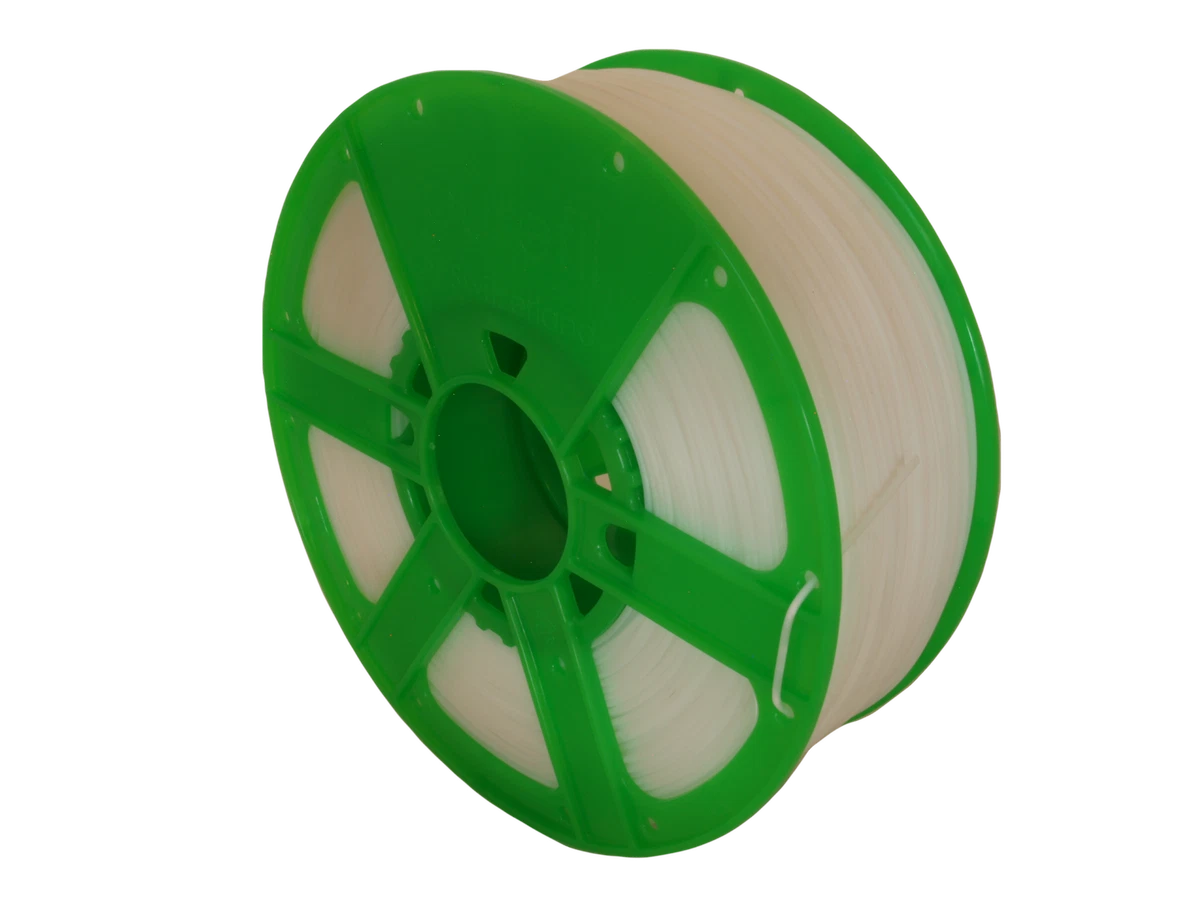
Formfutura LimoSolve HIPS 3D printing filament Manual is a HIPS-based polymer blend created for makers who want a dependable material for everyday 3D printing. It is described as a monofilament for FFF/FDM workflows, and its natural color, low odor, and steady processing behavior make it a strong fit for workshops, classrooms, and production setups that value consistency over gimmicks. Rather than chasing novelty, this filament focuses on reliable performance and manageable handling.
The material profile is straightforward and useful. With a melting range of 105–140 °C and a density of 1.04 g/cc, it offers predictable behavior for technical printing tasks. It is also insoluble in water and built from a blend of HIPS-based polymers enhanced for 3D printing. That combination supports a clean workflow, especially when storage and handling are kept dry and controlled.
A major advantage is that the product is not classified as dangerous when used properly. Even so, the manual-style guidance makes safety a priority. Heated or molten filament can cause burns, and dust should not be allowed to accumulate. Good ventilation, sensible printer placement, and basic personal protective equipment help reduce risk during printing, post-processing, and cleanup. In busier environments, local exhaust near multiple printers is especially helpful.
LimoSolve HIPS also suits users who want a material that is easy to store and keep ready. The filament should be protected from moisture, sunlight, and ignition sources, then kept in closed packaging or a sealed container with desiccant when not in use. Those simple steps help preserve quality and reduce problems related to dust, warping conditions, or accidental exposure to heat.
For blog readers exploring Formfutura LimoSolve HIPS 3D printing filament Manual, the main takeaway is balance: it is a practical filament with a calm profile, sensible storage needs, and clear safety expectations. It is not meant to be handled carelessly, but with the right setup it becomes a dependable option for routine prints and technical projects.
Notes
- Use heat-resistant gloves and protective glasses when working near molten material.
- Avoid inhaling dust, vapors, or fumes, especially if the material is overheated.
- Store in a dry, closed container at ambient temperature for best results.
- Keep the printing area ventilated and free from ignition sources.
Search for 67,706 Manuals online


Type-in Brand or Model