
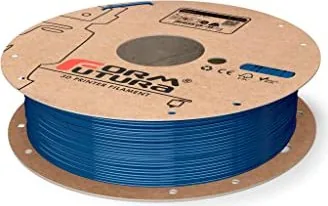
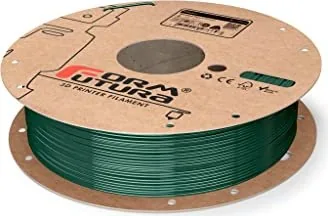
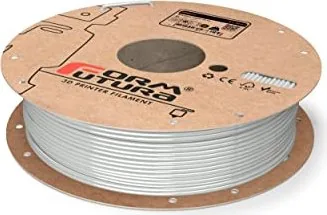
Formfutura HDglass PETG Manual
PDF manual · 4 Pages
English


Quick check
Incorrect answer, please try again.
Chat with your Formfutura HDglass PETG manual using AI
Get instant AI answers from your Formfutura HDglass PETG manual
Ask anything about the Formfutura HDglass PETG. Answers come from this manual, with the pages they are based on.
Ask a Question
Do you recommend HDglass PETG?
Yes NoFrequently Asked Questions
It is a PETG-based monofilament made for FFF/FDM 3D printing. The blend is intended for general-purpose additive manufacturing, offering a practical balance of ease of use and stable processing.
Is this answer helpful?
When handled properly, it is not classified as dangerous. Even so, standard 3D printing safety practices still apply, especially around heated parts, molten material, and dust control.
Is this answer helpful?
It is described as almost odorless. That makes it a more comfortable option for shared spaces, although ventilation is still recommended for safe and clean operation.
Is this answer helpful?
Keep it in a dry place, away from moisture, direct sunlight, and heat. Closed packaging with desiccant is recommended when the spool is not in use, so the material stays in better condition.
Is this answer helpful?
Use heat-resistant gloves, protective glasses, and suitable clothing when handling hot or molten material. Good ventilation is also advised, especially if dust or fumes may be present.
Is this answer helpful?
Yes, but local exhaust ventilation is recommended when many printers run at once. This helps reduce dust buildup and improves overall workshop safety.
Is this answer helpful?
Minimize waste where possible and recycle clean packaging if it is uncontaminated. Disposal should follow local regulations, and waste material may be handled according to municipal requirements.
Is this answer helpful?
Advantages and Disadvantages
Advantages

- PETG-based blend is practical for FFF/FDM printing and supports dependable everyday use.
- Almost odorless material makes the printing environment more comfortable for regular sessions.
- Not classified as dangerous when handled properly, which adds peace of mind for users.
- Stable under recommended storage conditions and easy to keep in good shape when sealed dry.
Disadvantages

- Hot or molten material can cause burns, so careful handling and protective gear are necessary.
- Needs dry storage and protection from sunlight, moisture, and heat to avoid quality issues.
- Dust formation should be controlled, especially in busy printer areas with multiple machines.
- Decomposition fumes can appear if severely overheated, so ventilation and temperature control matter.
Product Specification
Type
PETG
Suitability
universal
Print Temperature
383-437°F
Heatbed Recommendation
149-167°F
Impact Strength
0.67kJ/ft^2
Elongation at Break
120%
Young's Modulus
281.37ksi
Tensile Strength
7.25ksi
Dimensional Stability
158°F
Density
0.05lb/in^3
Special Features
10% Opacity, 105HRR Hardness
Product Description
Formfutura HDglass PETG - Blinded, 3D Printing Filament Manual
Formfutura HDglass PETG - Blinded, 3D Printing Filament is a PETG-based material made for FFF/FDM 3D printing, built around practical performance rather than complicated handling. It is designed for makers who want a dependable filament that supports everyday printing tasks with a stable, work-friendly character.
This PETG blend is described as a monofilament enhanced for additive manufacturing, which helps position it as a versatile option for functional parts, prototypes, and general-purpose prints. It is almost odorless, has a natural appearance in its raw form, and carries a density of 1.27 g/cc. Those details suggest a material that is straightforward to work with and easy to integrate into a regular printing setup.
A major advantage of this filament is its safety profile when used correctly. The material is not classified as dangerous under the cited regulations, and no harmful substances are used in the blend. That makes it appealing for users who want a cleaner, more predictable filament choice, while still respecting standard precautions around heat, dust, and ventilation.
Like any thermoplastic used in 3D printing, HDglass PETG still requires careful handling. Contact with heated or molten material can cause burns, so gloves, protective glasses, and suitable clothing are recommended when working close to the printer or removing printed parts. Good airflow is also important, especially in shared workspaces where multiple machines may operate at the same time.
Storage is equally important for preserving print quality. The filament should be kept dry, away from moisture, direct sunlight, and heat sources, and stored in closed packaging with desiccant when not in use. The material is chemically stable under recommended conditions and is not considered highly flammable, but it should still be kept away from ignition sources and strong oxidizing agents.
Notes
- Avoid direct contact with hot or molten filament.
- Use ventilation in areas with dust or heavy printer use.
- Store sealed and dry for best long-term condition.
- Recycle clean packaging whenever possible.
Overall, Formfutura HDglass PETG - Blinded, 3D Printing Filament Manual reads like a practical guide to a reliable PETG-based filament: safe when handled properly, stable in storage, and suitable for users who value consistency, manageable printing behavior, and simple day-to-day use.
Search for 67,706 Manuals online


Type-in Brand or Model