
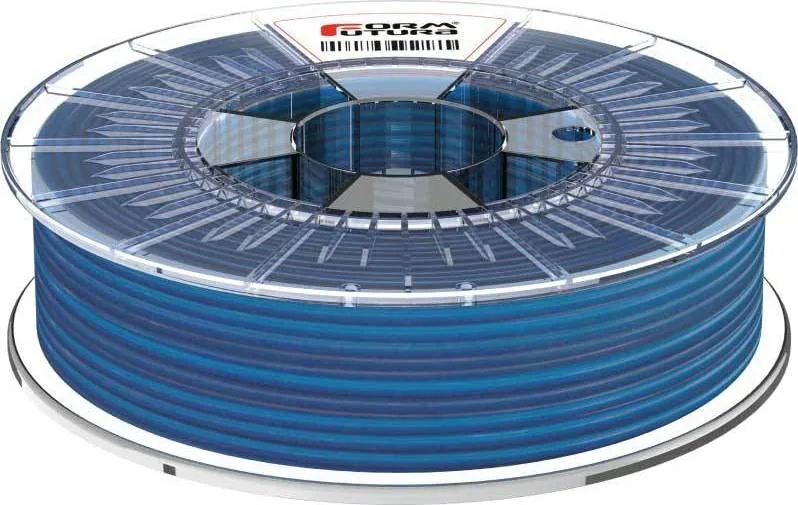
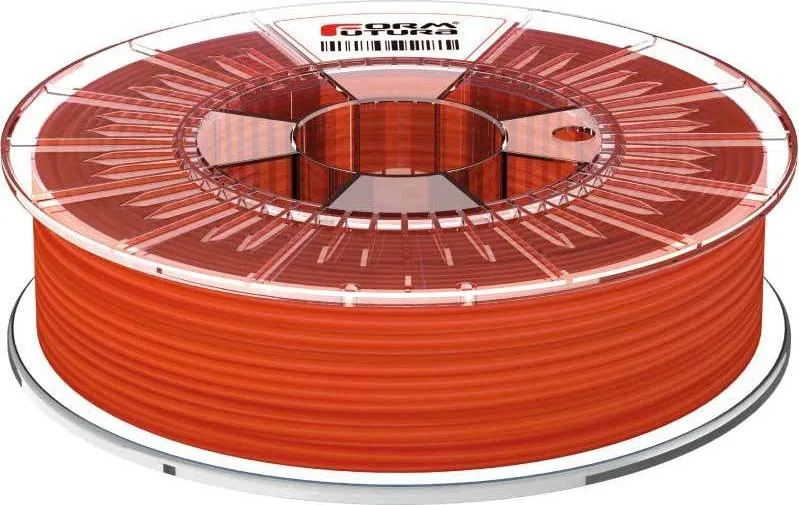
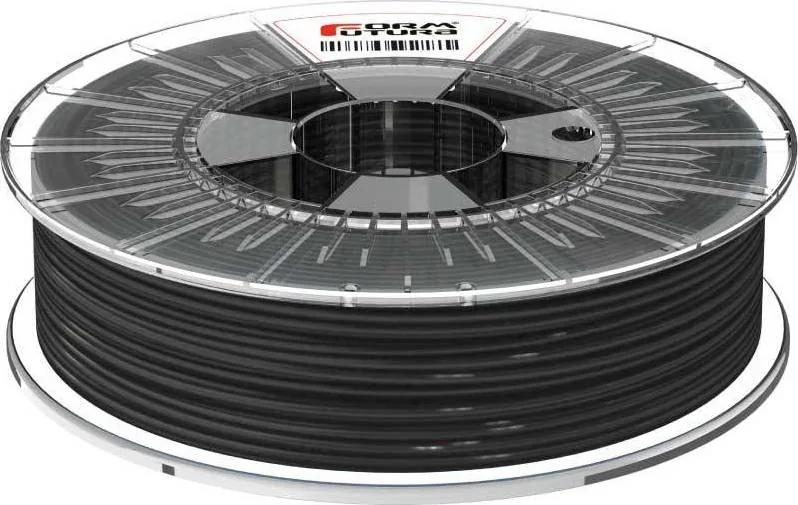
Formfutura TitanX ABS Manual
PDF manual · 4 Pages
English



Quick check
Incorrect answer, please try again.
Chat with your Formfutura TitanX ABS manual using AI
Get instant AI answers from your Formfutura TitanX ABS manual
Ask anything about the Formfutura TitanX ABS. Answers come from this manual, with the pages they are based on.
Ask a Question
Do you recommend TitanX ABS?
Yes NoFrequently Asked Questions
The recommended nozzle temperature is strictly between 240 to 260 degrees Celsius. This range ensures optimal flow and adhesion characteristics for the best layer bonding.
Is this answer helpful?
Yes, ensure your heating bed stays between 80 to 90 degrees Celsius to prevent detachment during cooling cycles and ensure a solid first layer.
Is this answer helpful?
The recommended nozzle diameter is at least 0.15mm to ensure fine detail capability and avoid clogging issues during complex geometries.
Is this answer helpful?
Yes, retraction distance is typically around 5mm to avoid stringing artifacts and ensure clean travel movements between print areas.
Is this answer helpful?
It absorbs little moisture compared to other common plastics but keeping the spool dry in a climate controlled environment prevents degradation.
Is this answer helpful?
No, this material requires significantly higher temperatures and different cooling parameters than PLA. Follow the specific engineering guidelines provided.
Is this answer helpful?
Flow rate might require calibration around 106 percent due to specific extrusion characteristics unique to this engineering ABS product.
Is this answer helpful?
Advantages and Disadvantages
Advantages

- High heat resistance suitable for challenging environments and functional testing.
- Excellent dimensional stability with recommended flow rate calibration.
- Low moisture absorption compared to standard engineering plastics.
- Strong structural integrity for load-bearing mechanical parts.
- Smooth surface finish quality when print settings are optimized.
Disadvantages

- Requires heated bed between 80 to 90 degrees Celsius to prevent warping.
- Sensitive to humidity requiring dry storage for best performance.
- Needs hardened steel nozzle due to potential abrasive wear.
- Limited fan speed usage requires careful thermal management.
- Warping risk increases if ambient temperatures fluctuate significantly.
Product Specification
Type
ABS
Suitability
Universal
Printing Temperature
464-500F
Melting Temperature
437-473F
Heated Bed Recommendation
176-194F
Melt Flow Index
0.09 lbs/10min
Impact Strength
27.6 ft-lb/in^2
Elongation at Break
34%
Modulus of Elasticity
294,427 PSI
Tensile Strength
6,323.66 PSI
Heat Deflection Temperature
206.6F
Density
68.67 lb/ft^3
Features
Weather Resistant
Product Description
Discover Precision with Formfutura TitanX ABS
Formfutura TitanX ABS 3D Printing Filament Manual provides the ultimate guide for users seeking high strength. This filament is designed for functional testing and end-use parts within industrial settings. Engineers trust this material for its reliability under stress and long term usage. The filament offers exceptional toughness and heat resistance compared to standard ABS plastics found in consumer markets today. You can print detailed structures without warping issues when printing parameters are followed correctly and meticulously throughout the build process.
Key Specifications Explained
The recommended nozzle size is at least 0.15mm to ensure fine detail capability for all layers. Printing temperatures range strictly from 240 to 260 degrees Celsius for optimal flow and adhesion. Ensure your heating bed stays between 80 to 90 degrees Celsius to prevent detachment during cooling cycles. Layer height should be set to at least 0.1mm for strong layer adhesion. Medium print speeds are optimal for balancing quality versus build time effectively. Fan speed should remain low, between 0 to 25 percent, to maintain structural strength. Flow rate might require calibration around 106 percent due to specific extrusion characteristics. Retraction distance is typically around 5mm to avoid stringing artifacts.
Why Choose This Filament for Engineering
This material excels in challenging environmental conditions including heat exposure. It absorbs little moisture compared to other common engineering plastics available in the market. The surface finish is smooth when printed properly with good airflow management in the chamber. Users following the Formfutura TitanX ABS 3D Printing Filament Manual will achieve consistent and repeatable results every time they print. It supports complex geometries well including overhangs when designed correctly by the engineer. Strength is vital for mechanical components subjected to high loads.
Printing Tips for Success
Storage is critical for maintaining material quality over months of use. Keep the spool dry in a climate controlled environment to prevent degradation. Use a hardened steel nozzle to prevent wear from abrasive additives during operation. Enclosed printing chambers help maintain consistent ambient temperatures around the part. Cooling fans play a specific role in the final layer appearance and quality. Calibration blocks help verify dimensional accuracy before running production runs.
Final Thoughts
If you need durability for end use select this product over competitors. It works best with specific printer configurations found in prosumer and industrial markets. Avoid wet environments during storage to prevent bubbling during extrusion processes. The product supports a wide range of applications from automotive prototypes to aerospace components. Start your next project with confidence using established data. The manual ensures you get the best from the spool.
Search for 67,706 Manuals online


Type-in Brand or Model