

Free Voltcraft Manuals – Read, Download & Print
39 Manuals
Manuals
97 Pages
12 Pages
16 Pages
8 Pages
12 Pages
32 Pages
136 Pages
26 Pages
4 Pages
96 Pages
74 Pages
92 Pages
92 Pages
8 Pages
8 Pages
12 Pages
130 Pages
4 Pages
6 Pages
208 Pages

4 Pages
60 Pages
36 Pages
156 Pages
29 Pages
80 Pages
12 Pages
72 Pages
4 Pages
104 Pages
2 Pages
12 Pages
80 Pages
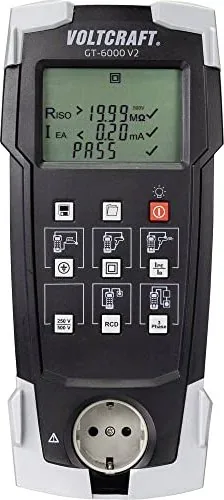
35 Pages
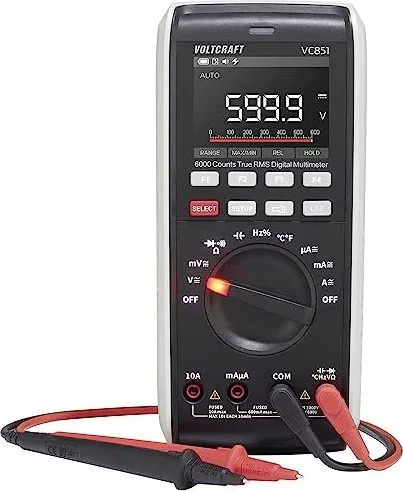
180 Pages
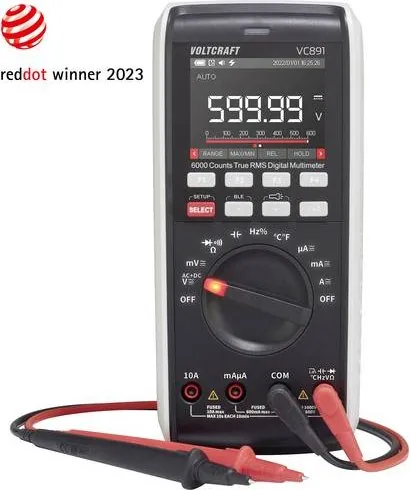
196 Pages
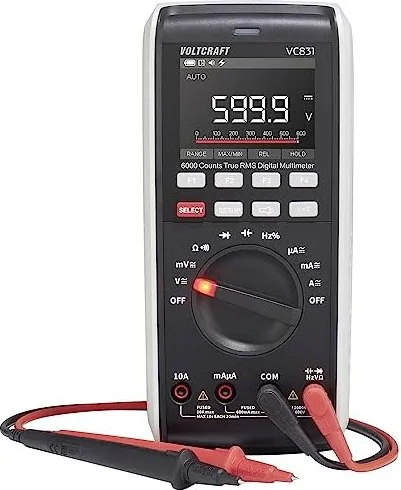
180 Pages
80 Pages
80 Pages
Categories


Free Voltcraft Manuals - Read, Download & Print
Find free Voltcraft manuals for a wide range of measuring instruments, power supplies, chargers, environmental monitors, and electronic accessories. Whether you need help setting up a new device, checking technical specifications, understanding a display symbol, or troubleshooting an unexpected reading, the right instruction manual can provide clear guidance. Manuals are useful for both first-time users and experienced technicians who need to confirm operating procedures, limits, safety information, or maintenance requirements.
Voltcraft products are commonly used in homes, workshops, laboratories, educational settings, and professional service environments. Because different models may include advanced functions such as data logging, automatic range selection, alarm thresholds, USB connectivity, and programmable settings, reviewing the official documentation is an important part of using each device correctly. Browse available manuals online, download a copy for later, or print the pages you need for convenient reference.
Read Voltcraft Manuals Online
Reading a Voltcraft manual online is a quick way to access essential product information without installing software or searching through paper documents. Online manuals can help you identify controls, learn menu options, compare measurement modes, and review safety precautions before operating equipment. This is especially helpful when a device has been stored for some time, changed hands, or arrived without its original printed guide.
Most manuals begin with an overview of the product, its intended use, supplied accessories, and important safety notes. These sections explain where and how the device should be used, which conditions to avoid, and what precautions are required when working with electricity, batteries, sensors, or connected equipment. Always review warnings carefully before connecting a meter to a circuit, using a power supply, charging batteries, or measuring temperature, humidity, current, voltage, resistance, or other values.
The online guide may also include labeled illustrations of buttons, ports, terminals, display indicators, probes, adapters, and battery compartments. These diagrams make it easier to understand the physical layout of the product and prevent incorrect connections. For devices with several operating modes, the manual can explain how to select the proper range, activate hold or min/max functions, configure units, adjust backlight settings, or restore default options.
Download Manuals for Offline Access
Downloading a Voltcraft manual gives you a dependable reference even when internet access is unavailable. A saved manual can be stored on a computer, tablet, phone, or shared work device, allowing you to consult instructions in a workshop, garage, field location, classroom, or service vehicle. Keeping a digital copy alongside product records can also simplify maintenance, calibration planning, and equipment handovers.
Before downloading, confirm that the manual matches the exact model number shown on the product label, packaging, or purchase documentation. Similar-looking products can have different electrical ratings, functions, accessories, firmware options, or operating procedures. A manual for a related model may be useful for general orientation, but it should not replace documentation for the exact device in use.
Downloaded manuals are also useful when you need to search for a specific term. Instead of reading every page, you can look for words such as "fuse," "calibration," "battery," "error," "continuity," "input," "charging," "temperature," or "technical data." This can save time when diagnosing a problem or confirming a setting. If the manual is provided as a PDF, many devices also allow you to bookmark frequently used pages, add personal notes, or keep copies with project files.
Print Important Instructions
Printing a Voltcraft manual, or selected pages from it, can be practical for locations where a screen is inconvenient or unsuitable. A printed quick reference can be kept near a workbench, stored with test leads and accessories, placed in a maintenance folder, or included with equipment that is loaned to another user. Pages covering setup, safety, connection diagrams, measurement ranges, and error codes are often the most helpful to print.
For larger manuals, consider printing only the chapters you use regularly. This reduces paper use while still making key information easy to access. For example, a multimeter user may print the sections on input terminals, current measurement limits, fuse replacement, and continuity testing. A battery charger owner may want the pages explaining supported battery types, charge programs, capacity settings, temperature limits, and storage mode. Environmental monitoring users may prefer printed instructions for sensor placement, alarm configuration, logging intervals, and data export.
Keep printed documentation updated when possible. If a revised manual becomes available for the same product, compare it with your existing copy, particularly when the device uses software, firmware, or configurable communication settings. Updated documentation may clarify functions, correct specifications, or add important safety details.
Common Voltcraft Product Manual Categories
Voltcraft manuals cover many types of electronic and electrical equipment. The information included depends on the product category, but each manual is designed to support safe and accurate use.
Multimeters and Electrical Test Equipment
Manuals for digital multimeters, clamp meters, voltage testers, cable testers, oscilloscopes, and related instruments usually explain measurement functions and input limits in detail. They may cover AC and DC voltage, current, resistance, capacitance, frequency, duty cycle, diode testing, continuity, temperature measurement, and non-contact voltage detection.
When using electrical test equipment, pay close attention to the manual's maximum ratings and terminal instructions. Incorrect probe placement or selecting the wrong measurement mode can damage the device, blow an internal fuse, or create a hazardous situation. The manual should identify the appropriate input jack for each type of measurement and explain the relevant measurement category, protection rating, and environmental limitations.
Bench Power Supplies and Adapters
Power supply manuals typically describe output voltage and current adjustment, channel operation, load limits, protection functions, and connection requirements. If the unit includes constant voltage and constant current modes, the documentation can explain how these modes work and how to set safe limits for sensitive components.
Review the manual before connecting circuits, batteries, motors, LEDs, or laboratory equipment. Check polarity, output range, current capability, ventilation needs, and any remote sensing or serial control features. Power supply documentation may also provide guidance for overvoltage protection, overload behavior, grounding, and safe shutdown procedures.
Battery Chargers, Analyzers, and Testers
Voltcraft battery-related manuals can help users choose the appropriate settings for rechargeable cells and battery packs. Depending on the model, instructions may cover NiMH, NiCd, Li-ion, LiPo, LiFePO4, lead-acid, or other battery chemistries. Charging voltage, current, capacity, balancing, discharge limits, and temperature monitoring can all be critical factors.
Always use the manual to verify compatibility before charging any battery. Different chemistries require different charging methods, and incorrect settings may reduce battery life or create a safety risk. Manuals often include recommendations for charge locations, supervision, damaged battery handling, connector use, and storage procedures.
Environmental and Weather Monitoring Devices
Documentation for thermometers, hygrometers, weather stations, air quality monitors, sound level meters, light meters, and data loggers explains sensor setup, mounting, display readings, alarm thresholds, and recording functions. Accurate measurements often depend on proper placement, stabilization time, calibration checks, and avoiding direct heat sources, moisture exposure, or electromagnetic interference.
For weather stations and wireless sensors, manuals may provide pairing steps, transmission range information, battery guidance, and advice on outdoor installation. Data logger manuals can explain sampling intervals, memory capacity, software requirements, file formats, and how to export recorded readings for analysis.
How to Find the Correct Manual
The most reliable way to locate the correct Voltcraft manual is to use the full product model or item number. This information is often printed on the rear label, underside, battery compartment, packaging, invoice, or product plate. Include letters, numbers, hyphens, and version details when searching, since small differences can identify a different variant.
Check the Product Label
Look for a model designation, article number, serial number, or electrical rating label. The model number is usually the best search term. If several results appear, compare product images, control layouts, connector positions, display markings, and technical specifications with your device.
Select the Right Language Version
Many manuals are available in more than one language. Choose the version you understand best, but ensure it applies to the same model. Technical symbols, diagrams, and specifications may be shared across language editions, while local safety instructions and regulatory details can vary.
Use the Manual for Troubleshooting
If a Voltcraft device does not operate as expected, consult the troubleshooting or error message section before assuming it is faulty. Common issues may involve depleted batteries, incorrectly fitted leads, loose sensor connections, unsuitable settings, blown fuses, blocked ventilation, out-of-range measurements, or improperly configured alarms. The manual may explain display codes, reset procedures, cleaning requirements, and service recommendations.
Safe Use and Care
A manual is more than a list of features. It is an important safety resource. Follow the stated operating conditions, use approved accessories where required, and do not exceed voltage, current, temperature, load, or charging limits. Disconnect equipment from power when instructed, inspect cables and probes for damage, and keep electronic devices away from moisture unless they are specifically rated for such use.
Store your Voltcraft manual with the product whenever possible. A digital download, online copy, or printed reference can help you use equipment with greater confidence, maintain accurate results, and protect both the device and the user. Read, download, and print the instructions you need to get the most from your Voltcraft product.
Search for 67,706 Manuals online


Type-in Brand or Model