
Free NVIDIA Manuals – Read, Download & Print
11 Manuals
Manuals
71 Pages
76 Pages
64 Pages
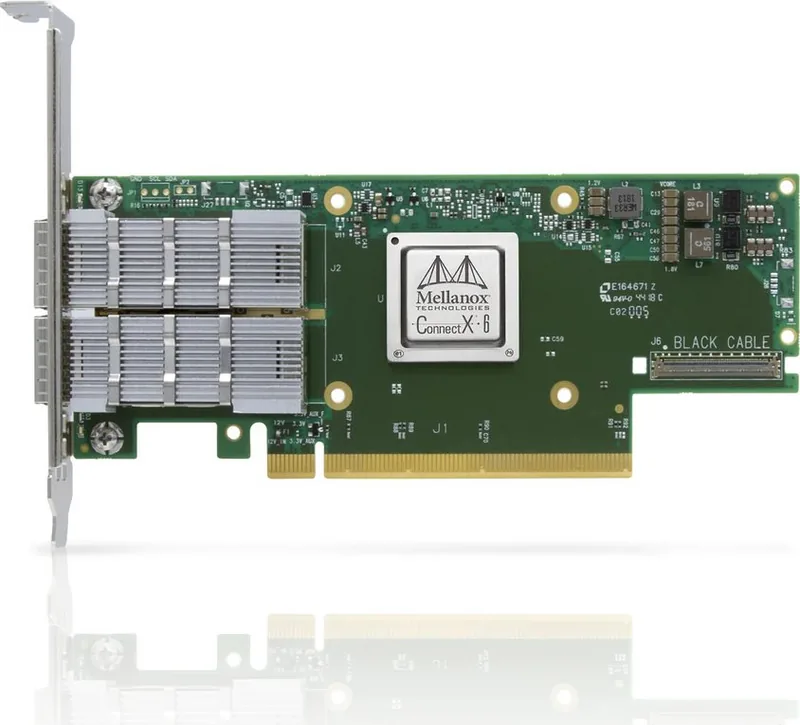
73 Pages
75 Pages
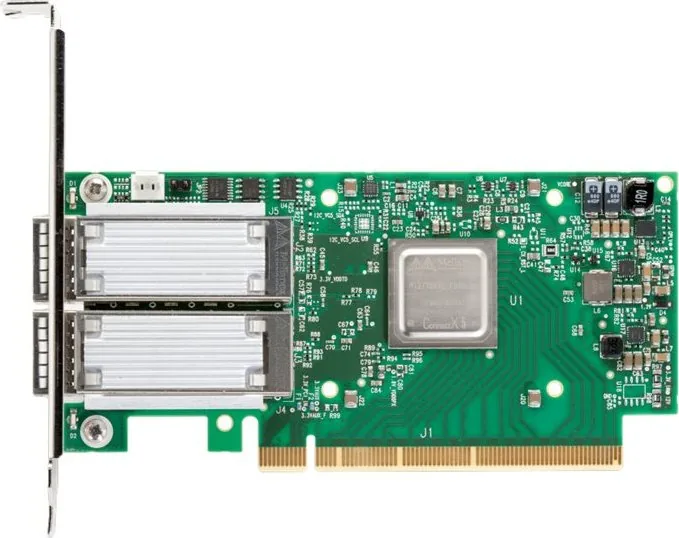
79 Pages
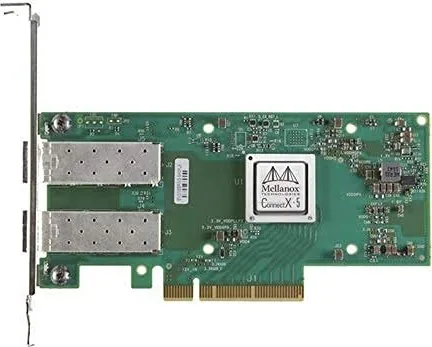
72 Pages
24 Pages
57 Pages
64 Pages
66 Pages
Categories

Comprehensive Guide to NVIDIA Manuals
Introduction to NVIDIA Documentation Resources
NVIDIA has established itself as a global leader in the design and manufacturing of graphics processing units (GPUs), system-on-a-chip units (SoCs), and artificial intelligence hardware. As their product ecosystem expands to include data centers, autonomous vehicles, professional visualization, and gaming platforms, the need for accurate, detailed, and accessible documentation becomes paramount. NVIDIA manuals serve as the critical bridge between complex hardware capabilities and user implementation. These documents are not merely instruction sheets; they are comprehensive technical resources that empower engineers, developers, system administrators, and end-users to maximize the performance and reliability of NVIDIA technology.
The scope of NVIDIA manuals covers a vast array of products ranging from consumer-grade GeForce graphics cards to enterprise-level Tesla and A100 data center accelerators. Whether you are configuring a multi-GPU cluster for deep learning training or optimizing a workstation for 3D rendering, the official documentation provides the necessary specifications, architectural insights, and troubleshooting procedures. This guide explores the structure, accessibility, and importance of these manual resources, ensuring users can navigate the wealth of information available to them effectively.
Categories of NVIDIA Documentation
NVIDIA organizes its extensive library of manuals into several distinct categories based on the target audience and the specific product line. Understanding these categories is essential for locating the correct information quickly. The primary division exists between software-focused guides and hardware-focused specifications.
Hardware Specifications and User Guides
For physical hardware components, NVIDIA provides detailed datasheets and user guides. These documents are crucial for system integrators and IT professionals responsible for installing and maintaining GPU servers. Datasheets contain rigorous technical specifications including power consumption, thermal design power (TDP), physical dimensions, memory capacity, and clock speeds. They often include pinout diagrams and connector details which are vital for custom cooling solutions or rack mounting configurations.
User guides for hardware go beyond simple setup instructions. They explain the unique features of specific architectures, such as Tensor Cores or RT Cores found in modern RTX series GPUs. These guides detail how to configure multi-GPU setups using NVLink, manage power limits, and ensure proper airflow within server chassis. For professional visualization products like the NVIDIA RTX Ada Generation lineup, the manuals include workflows for integrating with industry-standard software like Autodesk Maya, SolidWorks, and Adobe Creative Cloud.
Software Development Kits and Driver Guides
A significant portion of NVIDIA manuals focuses on software development. The CUDA Toolkit documentation is perhaps the most widely referenced set of manuals for developers working on parallel computing. These guides explain the programming model, compiler usage, debugging tools, and optimization techniques required to leverage the massive parallelism of NVIDIA GPUs. The documentation includes code examples, API references, and best practices for writing efficient kernels.
Driver manuals provide step-by-step instructions for installing and updating graphics drivers across various operating systems, including Windows, Linux distributions, and macOS where applicable. They address common installation issues, compatibility matrices, and release notes that highlight new features or bug fixes. For enterprise environments, the documentation covers deployment strategies using management tools like NVIDIA Data Center Management Suite, allowing administrators to monitor and control fleets of GPUs remotely.
Application-Specific Guides
Beyond general development and hardware maintenance, NVIDIA produces specialized manuals for specific applications. This includes guides for AI frameworks like PyTorch and TensorFlow optimized for NVIDIA hardware. There are also dedicated documents for Omniverse, the platform for building connected 3D worlds, and for automotive solutions involving DRIVE platforms. These application-specific manuals often delve into domain knowledge, explaining how to apply general GPU acceleration to solve problems in fields like drug discovery, climate modeling, or autonomous driving simulation.
Navigating the NVIDIA Support Portal
Accessing the correct version of an NVIDIA manual requires navigating the official support portal effectively. The website is structured to allow users to filter content by product family, product name, and operating system. This filtering capability is essential given the rapid iteration of NVIDIA products. A manual for a GTX 1080 will differ significantly from one for an RTX 4090 due to architectural changes over time.
Users should always verify the exact model number and revision of their hardware before downloading documentation. The portal often hosts multiple versions of drivers and toolkits, each with corresponding release notes and user guides. It is advisable to check the publication date to ensure the information aligns with the latest firmware or hardware revisions. The search function on the portal is powerful but benefits from precise keywords related to the specific feature or error being investigated.
Documentation is available in various formats to suit different preferences. While HTML-based web pages offer the advantage of immediate updates and interactive searchability, PDF downloads are preferred for offline reading and printing. Some advanced guides may be hosted on GitHub repositories, allowing developers to access source files and contribute feedback directly to the documentation team.
Importance of Accurate Documentation
In the high-stakes environment of data center operations and scientific research, accuracy in documentation is non-negotiable. An incorrect configuration parameter in a manual could lead to system instability, data corruption, or reduced performance. NVIDIA manuals undergo rigorous review processes to ensure technical correctness. They serve as the authoritative reference when resolving disputes regarding hardware behavior or software limitations.
Furthermore, well-structured manuals reduce the time-to-market for new applications. Developers do not need to reverse-engineer hardware behavior when clear guidelines are provided. This efficiency drives innovation across industries that rely on GPU acceleration. From financial institutions running high-frequency trading algorithms to medical researchers analyzing genomic data, the quality of NVIDIA manuals directly impacts the speed and success of technological advancement.
Troubleshooting sections within these manuals are particularly valuable. They provide systematic approaches to diagnosing issues, such as display artifacts, driver crashes, or memory errors. By following the prescribed steps, users can often resolve complex problems without needing direct assistance from technical support teams. This self-service capability is a key component of the overall customer experience.
Future Trends in Technical Documentation
As NVIDIA continues to evolve, so too does its approach to documentation. The integration of AI into the documentation process itself is becoming a reality. Interactive assistants powered by large language models may soon help users find specific snippets of code or configuration settings within the vast manual repository. Additionally, there is a growing trend towards video tutorials and interactive labs that complement traditional text-based manuals.
Open-source collaboration is another area where documentation is expanding. By engaging with the developer community, NVIDIA ensures that its manuals reflect real-world usage scenarios and edge cases that internal testing might miss. This collaborative approach fosters a stronger ecosystem where users feel empowered to contribute back to the knowledge base.
In conclusion, NVIDIA manuals are indispensable resources for anyone working with NVIDIA technology. They encompass a wide range of topics from basic installation to advanced optimization strategies. By leveraging these comprehensive guides, users can unlock the full potential of NVIDIA hardware and software, driving progress in computing, graphics, and artificial intelligence.
Search for 67,706 Manuals online


Type-in Brand or Model