

Free Moog Manuals – Read, Download & Print
7 Manuals
Manuals
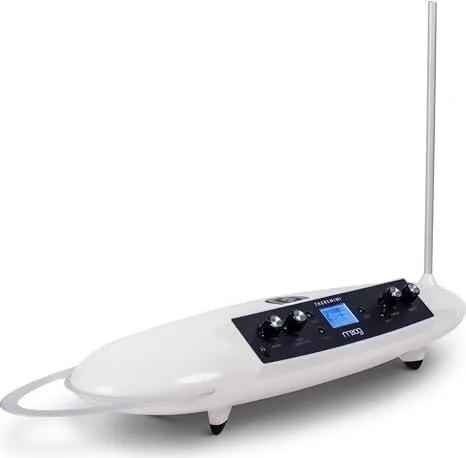

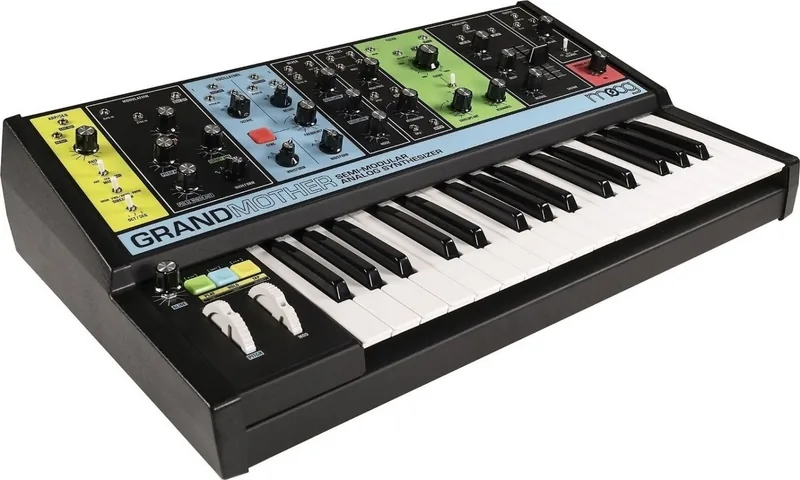


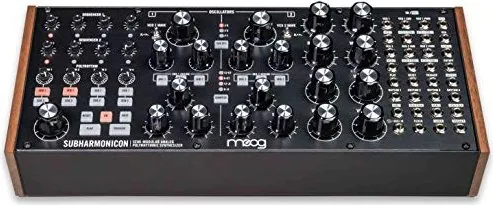
Categories

Comprehensive Guide to Moog Manuals
Introduction to Moog Documentation
Moog manuals serve as the essential technical reference for musicians, technicians, and audio engineers working with Moog synthesizers. These documents provide detailed instructions on operation, maintenance, troubleshooting, and modification of classic and modern analog instruments. From the legendary Minimoog Model D to the latest Subsequent series, Moog manuals are invaluable resources that bridge the gap between hardware and user understanding. They contain schematics, wiring diagrams, patching guides, and safety information that ensure optimal performance and longevity of these iconic electronic instruments.
The importance of accurate documentation cannot be overstated in the world of analog synthesis. Unlike digital systems where software updates can resolve issues, analog synthesizers require physical knowledge and precise adjustment procedures. Moog manuals have evolved over decades to meet changing technological needs while maintaining the company's commitment to quality and educational value. Whether you are restoring a vintage unit from the 1970s or programming a new model released today, having access to the correct manual is critical for success.
Historical Evolution of Moog Manuals
The history of Moog manuals reflects the broader development of electronic music technology. Early Moog modular systems from the 1960s came with thick, hand-bound booklets containing basic operational guidelines and patching suggestions. These initial documents were often written by Robert Moog himself or his close collaborators, featuring handwritten notes and hand-drawn circuit diagrams. As the company grew and production increased, the manuals became more standardized and professionally typeset during the 1970s.
During the golden age of analog synthesis, Moog manuals included extensive theoretical background on voltage control, signal flow, and modulation techniques. They explained complex concepts like envelope generators, low-pass filters, and LFOs in accessible language suitable for both beginners and advanced users. The Minimoog Model D manual, for instance, became legendary not just for its practical advice but also for its elegant design and comprehensive coverage of the instrument's capabilities. Many collectors still seek original copies of these vintage manuals due to their historical significance and superior build quality.
In recent years, Moog has returned to producing high-quality printed manuals alongside digital versions available online. This dual approach ensures accessibility while preserving the tactile experience many musicians appreciate. Modern manuals continue the tradition of thorough explanation while incorporating updated terminology and contemporary synthesis concepts. The transition from paper-only documentation to hybrid formats represents an adaptation to current market demands without sacrificing the depth and clarity that made earlier editions so valuable.
Technical Content and Structure
A typical Moog manual contains several key sections designed to guide users through every aspect of their instrument. The introduction section provides an overview of the synthesizer's features and intended applications. It often includes a brief history of the specific model and highlights what makes it unique within the Moog lineup. Following this, users find detailed descriptions of each module, component, or control knob, explaining its function and how it affects the overall sound.
One of the most important sections in any Moog manual is the signal flow diagram. This visual representation shows how audio and control signals travel through the system from source to output. For modular synthesizers, these diagrams are particularly crucial as they help users understand the complex interconnections required to create various sounds. Patching guides follow, offering step-by-step instructions for achieving common effects and tones. These examples range from simple bass lines to intricate textural pads, demonstrating the versatility of Moog instruments.
Maintenance and troubleshooting sections address common issues that may arise during regular use. They include calibration procedures, component replacement guides, and diagnostic steps for identifying problems. Safety warnings are prominently displayed throughout to prevent damage to equipment or injury to users. Schematics and parts lists are often included at the end of the manual for those interested in deeper technical exploration or repair work. These resources empower owners to maintain their instruments independently rather than relying solely on professional service centers.
Educational Value for Musicians and Technicians
Moog manuals excel at educating users about fundamental principles of analog synthesis. Rather than simply listing functions, they explain the why behind each feature. This pedagogical approach helps musicians develop a deeper understanding of sound creation and manipulation. By studying these documents, users learn about oscillators, filters, amplifiers, and modulation sources in ways that enhance their creative process. The knowledge gained extends beyond individual instruments to general synthesis concepts applicable across different brands and models.
For technicians and repair professionals, Moog manuals provide indispensable reference material. Detailed circuit diagrams allow for precise diagnosis of electrical faults, while alignment procedures ensure consistent performance across units. Understanding the original design intent documented in these manuals is essential when modifying or restoring vintage synthesizers. Many restoration projects rely heavily on authentic documentation to preserve the character and functionality of classic instruments. Without proper manuals, even experienced technicians might struggle to replicate factory settings or identify non-standard modifications.
The educational aspect of Moog manuals also extends to community building. Online forums and groups frequently reference specific pages or sections when discussing problems or sharing tips. This shared knowledge base strengthens the global network of Moog enthusiasts who support each other through decades of use. Newcomers to analog synthesis often begin their journey by studying these manuals before attempting hands-on experimentation, creating a solid foundation for future learning and creativity.
Accessibility and Digital Transformation
While traditional paper manuals remain popular among collectors and purists, Moog has embraced digital distribution to increase accessibility. Official websites now host downloadable PDF versions of all current and many legacy manuals. These digital files offer search functionality, zoom capabilities, and easy printing options that enhance usability. Some newer models come with QR codes linking directly to video tutorials and interactive guides, supplementing the written content with multimedia resources.
Digital transformation has also enabled faster updates and corrections. When manufacturing changes occur or known issues are identified, revised versions of manuals can be distributed immediately without waiting for new print runs. This agility benefits users who need the most current information for troubleshooting or optimization. Additionally, digital archives preserve endangered documentation that might otherwise be lost due to wear, tear, or poor storage conditions of physical copies.
Despite these advantages, some users prefer the tangible experience of holding a well-designed book. High-quality paper stock, clear typography, and durable binding contribute to a satisfying reading experience that digital screens cannot fully replicate. Moog continues to produce limited edition printed manuals for special releases and anniversary models, catering to this segment of the market. The coexistence of both formats demonstrates the company's commitment to serving diverse preferences while ensuring everyone has access to essential information.
Conclusion: The Enduring Legacy of Moog Documentation
Moog manuals represent more than just instruction sheets; they are cultural artifacts that document the evolution of electronic music technology. Their enduring relevance speaks to the timeless nature of analog synthesis and the human desire to understand the tools we use to express ourselves creatively. Whether consulted daily by working musicians or studied occasionally by historians, these documents play a vital role in preserving and advancing the art of sound design.
As new generations discover the magic of Moog synthesizers, fresh appreciation grows for the thoughtful craftsmanship embedded in every page of these manuals. They remind us that great technology requires great communication, and that true mastery comes from combining practical skills with deep theoretical knowledge. Through careful study and application of the guidance found within Moog manuals, users unlock the full potential of these remarkable instruments, ensuring their continued impact on music for decades to come.
Search for 67,706 Manuals online


Type-in Brand or Model