

Free Fluke Manuals – Read, Download & Print
16 Manuals
Manuals
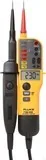
4 Pages
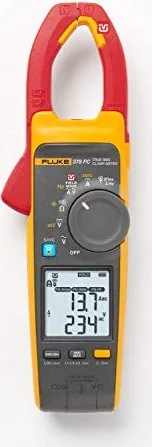
22 Pages
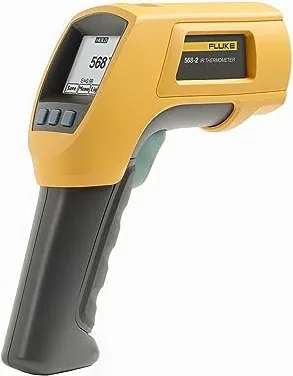
34 Pages
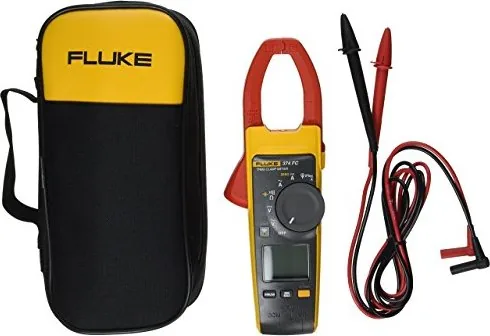
34 Pages
28 Pages
5 Pages
48 Pages
98 Pages
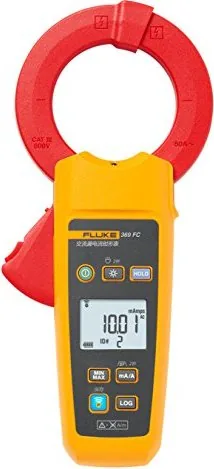
28 Pages
26 Pages
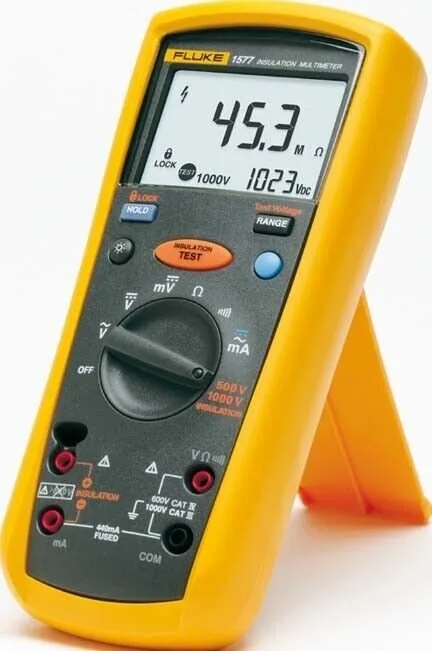
44 Pages
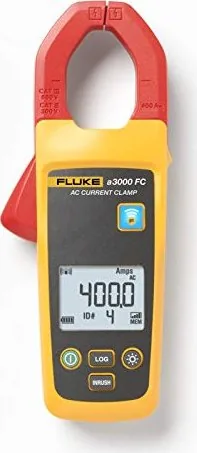
46 Pages
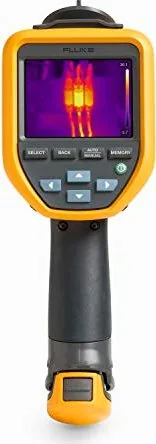
38 Pages
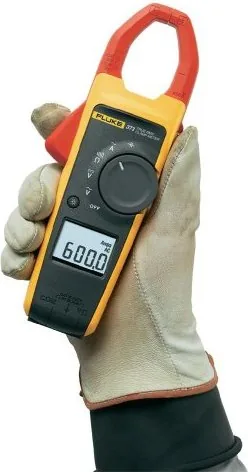
22 Pages
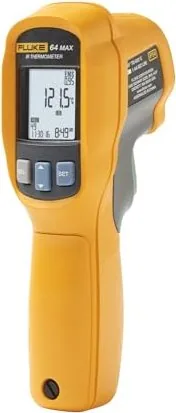
36 Pages
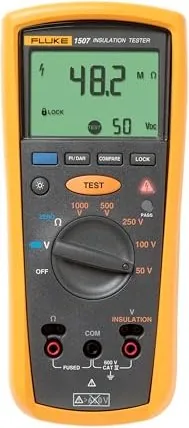
36 Pages
Categories

Free Fluke Manuals - Read, Download & Print
Find Manuals for Fluke Test and Measurement Tools
Looking for free Fluke manuals? This resource helps users locate, read, download, and print documentation for a wide range of Fluke test, measurement, troubleshooting, and calibration products. Whether you use a digital multimeter, clamp meter, insulation tester, thermal imager, power quality analyzer, process calibrator, thermometer, scope meter, or electrical tester, the right manual can make daily work safer, faster, and more accurate.
Fluke manuals typically include operating instructions, technical specifications, safety warnings, measurement ranges, maintenance guidance, troubleshooting steps, and accessory information. They are useful for electricians, HVAC technicians, industrial maintenance teams, engineers, students, facility managers, and anyone who needs reliable information before using a professional measurement instrument.
Read Fluke Manuals Online
Reading a manual online is a convenient way to quickly confirm how a meter, tester, or analyzer works. Digital manuals can help users identify button functions, understand display symbols, review measurement modes, and check important operating limits without searching through a paper booklet.
Online documentation is especially helpful when you need to:
- Confirm the correct input terminal for voltage, current, resistance, or temperature measurements.
- Learn how to use MIN/MAX, HOLD, relative measurement, logging, or recording functions.
- Check battery replacement instructions and recommended fuse ratings.
- Review safety category ratings such as CAT II, CAT III, or CAT IV.
- Understand error messages, warning icons, and common troubleshooting procedures.
- Find specifications for accuracy, resolution, ranges, and environmental operating conditions.
- Compare compatible probes, leads, clamps, cases, adapters, and replacement parts.
Before performing electrical work, consult the manual for the exact model in use. Similar-looking instruments can have different ratings, terminal layouts, firmware features, current limits, or safety requirements.
Download Manuals for Offline Access
Downloading a Fluke manual provides a practical reference when internet access is limited or when a technician needs documentation at a job site. A saved PDF can be stored on a phone, tablet, laptop, shared service computer, or company document system for convenient access during maintenance and inspection tasks.
Offline manuals are useful for field service professionals who work in mechanical rooms, industrial plants, rooftops, substations, construction sites, remote facilities, and customer locations. Keeping the correct documentation available can reduce delays when setting up a measurement, diagnosing an issue, or verifying an instrument's limitations.
When saving a manual, use a clear file name that includes the product family and model number. For example, a file collection may be organized by categories such as digital multimeters, clamp meters, thermal tools, calibration equipment, electrical testers, and power quality products. Adding revision dates to file names can also help distinguish newer documentation from older editions.
Print Manuals for Workshops and Field Use
Printing a manual can be valuable for users who prefer a physical reference beside their workbench or inside a service vehicle. Printed pages are easy to mark, highlight, place in binders, and share with team members during training or equipment handovers.
For efficient printing, consider printing only the most relevant sections. Commonly printed pages include:
- Safety information and warning symbols.
- Basic operation and measurement setup instructions.
- Input terminal diagrams and front-panel button descriptions.
- Accuracy and range specification tables.
- Fuse replacement procedures.
- Troubleshooting charts and error code explanations.
- Cleaning, storage, and maintenance instructions.
- Warranty and service contact information.
A printed quick-reference section can be useful in workshops where several people use the same tools. However, the complete manual should remain available because important cautions and detailed procedures may appear outside the quick-start pages.
Types of Fluke Manuals You May Need
Fluke documentation can vary by product and application. The correct manual depends on the exact model number, product revision, and intended use. Common manual types include user manuals, instruction sheets, service manuals, calibration manuals, data sheets, quick-start guides, application notes, and safety information documents.
Digital Multimeter Manuals
Digital multimeter manuals explain how to measure AC and DC voltage, resistance, continuity, capacitance, frequency, duty cycle, current, diode test values, and temperature where supported. They also identify the proper jacks for test leads, explain input protection, and list maximum measurement limits.
Clamp Meter Manuals
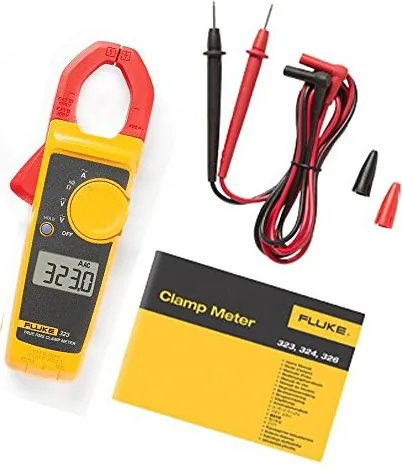
Clamp meter documentation covers current measurements using the clamp jaw, flexible current probe, or accessory sensors. These manuals often explain jaw positioning, conductor placement, inrush current functions, power measurements, and safe use around energized circuits.
Electrical Tester Manuals
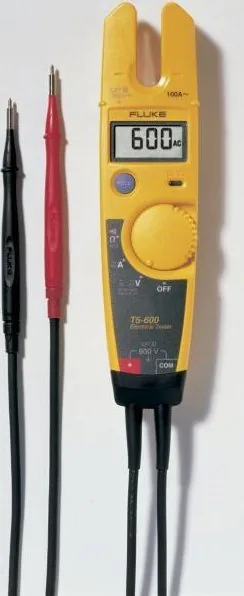
Electrical tester manuals can include instructions for voltage detection, continuity checks, phase rotation, receptacle testing, field-sense functions, and non-contact voltage detection. Because testers may be used near live electrical systems, the safety section should always be reviewed before operation.
Thermal Imaging and Infrared Thermometer Manuals
Thermal tool manuals provide guidance for image capture, emissivity settings, focus, temperature ranges, storage, reporting software, and battery charging. They may also explain how reflective surfaces, distance, environmental conditions, and target materials can affect temperature readings.
Insulation and Earth Ground Tester Manuals
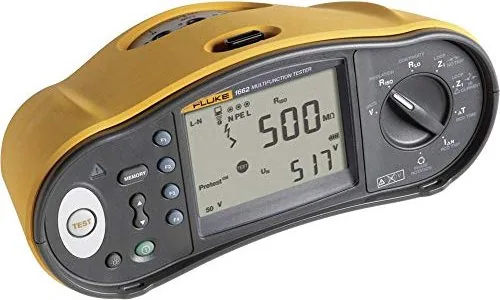
Insulation resistance tester manuals describe test voltage selection, lead connections, timed tests, polarization index functions, and interpretation of insulation values. Earth ground tester documentation may cover stake placement, clamp methods, resistance testing, and proper setup for grounding systems.
Process Calibration Manuals
Process calibrator manuals help users source, simulate, and measure electrical and process signals such as milliamps, volts, frequency, pressure, temperature, thermocouples, and RTDs. These guides are important for technicians working with transmitters, controllers, control loops, valves, and industrial instrumentation.
Use the Exact Model Number
The most important step in finding the right Fluke manual is verifying the complete model number shown on the instrument label, rear case, battery compartment, product packaging, or purchase documentation. A product family may contain multiple versions with different features and specifications.
Check for model suffixes, kit designations, regional versions, and revision identifiers. A manual for one version may not fully apply to another version, even if the products look similar. This is particularly important for discontinued tools, legacy instruments, firmware-updatable products, and devices supplied in combination kits.
If the model number is difficult to read, compare visible details such as display layout, terminal labels, selector switch positions, button names, clamp shape, sensor type, or connector arrangement. Product photos and specification sheets can help confirm the correct instrument before downloading documentation.
Safety Information Matters
Test and measurement equipment is often used around electricity, rotating machinery, high temperatures, pressurized systems, and industrial processes. Manuals contain essential safety instructions that should not be skipped. Follow all warnings related to measurement category ratings, maximum voltage, current limits, fuse types, lead condition, protective equipment, and environmental restrictions.
Inspect test leads, probes, clamps, connectors, and instrument cases before each use. Damaged accessories can create a serious hazard even when the meter itself appears to operate normally. Use only approved accessories and replacement parts specified for the applicable instrument and measurement category.
Never assume that a manual for a similar model provides identical safety limits. Always check the manual and markings for the actual device being used.
Troubleshooting and Maintenance Guidance
Manuals are also helpful when an instrument does not behave as expected. Common issues include a blank display, low battery indication, incorrect readings, blown current fuses, unstable values, failed continuity tests, connection errors, damaged leads, or settings that were changed accidentally.
Many manuals include a troubleshooting table that suggests simple checks before arranging service. Typical maintenance guidance may cover cleaning the case, replacing batteries, checking fuses, inspecting terminals, storing the instrument correctly, and protecting it from moisture, chemicals, dust, and extreme temperatures.
Calibration requirements vary by workplace, quality program, and application. The manual may identify recommended calibration intervals or explain how to obtain service and calibration support. For critical measurements, follow your organization's quality procedures and use traceable calibration practices where required.
Keep Documentation Current
Product documentation may be updated to correct errors, clarify procedures, add product features, or reflect changes in standards and regulations. When possible, compare the manual revision with the instrument version and download the latest applicable documentation from an official source.
Keeping current manuals available supports safer work, more consistent measurements, and better equipment care. Whether you need a quick instruction sheet, a detailed user guide, or technical specifications for a specific Fluke tool, the right manual is an essential part of using professional test equipment effectively.
Free Fluke Manuals for Everyday Reference
Free Fluke manuals make it easier to access important product information whenever it is needed. Read them online for quick answers, download them for offline use, and print relevant pages for workshops, job sites, training materials, and service binders. Always verify the exact model number and review safety information before testing electrical, electronic, thermal, mechanical, or process systems.
Search for 67,706 Manuals online


Type-in Brand or Model