

Free Epever Manuals – Read, Download & Print
5 Manuals
Manuals

Categories

Comprehensive Guide to Epever Manuals
Introduction to Epever and Their Documentation
Epever is a globally recognized manufacturer specializing in solar charge controllers, inverters, battery monitors, and related energy management systems. For users ranging from hobbyists building small off-grid setups to engineers designing large-scale renewable energy projects, understanding the technical specifications and operational procedures of these devices is critical. The primary resource for this knowledge is the Epever manual. These documents serve as the definitive guide for installation, configuration, troubleshooting, and maintenance. Without proper adherence to the instructions provided in these manuals, users risk equipment damage, inefficient energy harvesting, or safety hazards. This article provides an extensive overview of what one can expect when accessing and utilizing Epever manuals, ensuring that every user can maximize the potential of their solar power system.
Types of Epever Products Covered by Manuals
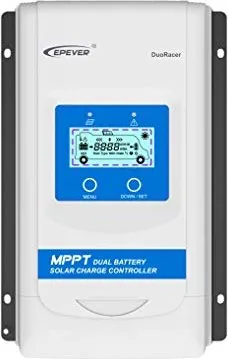
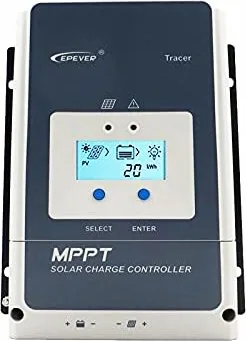
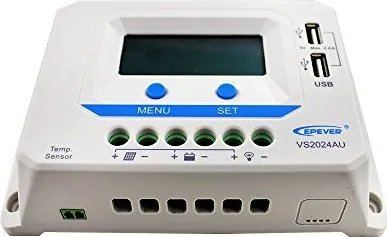
The documentation library for Epever is vast because it covers a wide array of product lines. Each category requires specific attention to detail. The most common products found in these manuals are MPPT (Maximum Power Point Tracking) solar charge controllers. These devices are designed to optimize the power transfer from solar panels to batteries. Manuals for the Tracer series, such as the Tracer 1040AN, 2215AN, or the newer TN and NT series, provide detailed wiring diagrams, parameter settings, and communication protocols. Another major category includes PWM (Pulse Width Modulation) controllers, which are often used in smaller applications where cost is a primary concern but efficiency is slightly lower than MPPT units. The manuals for these devices focus on simple setup and basic protection features.
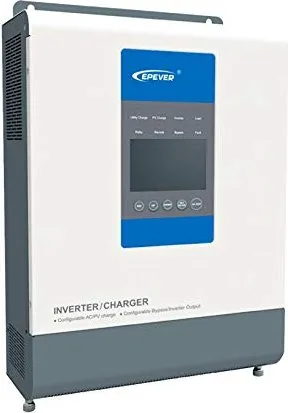
In addition to charge controllers, Epever produces hybrid inverters and pure sine wave inverters. The manuals for these units are significantly more complex due to the integration of multiple power sources like solar, grid, and generator inputs. They cover synchronization settings, load management, and battery charging algorithms. Battery monitors, such as the BMV-700 series compatible devices or the proprietary BMS interfaces, also have dedicated guides explaining how to monitor state of charge, voltage, current, and temperature in real-time. Finally, data loggers and communication modules like the RS485 to USB adapters or Wi-Fi dongles have their own specific manuals detailing software compatibility and network configuration.
Key Sections Within Every Epever Manual
Regardless of the specific product, all Epever manuals follow a structured format designed to facilitate easy navigation. The first section is typically the Safety Warnings. This part is crucial and cannot be skipped. It outlines the electrical hazards associated with high-voltage DC connections, proper grounding techniques, and environmental conditions under which the device should not operate. Ignoring these warnings can lead to fire, electric shock, or permanent damage to the unit.
Following safety guidelines, the Installation Guide section provides step-by-step instructions. This includes physical mounting requirements, such as the need for vertical orientation and adequate ventilation space to prevent overheating. Wiring diagrams are presented here, showing exactly which terminals correspond to the solar input, battery connection, and load output. Proper wire gauge selection is emphasized to minimize voltage drop over long distances. Users are advised to use high-quality cables and appropriate fuses or circuit breakers at the battery end to protect against short circuits.
The Configuration and Parameter Setting section is perhaps the most interactive part of the manual. It explains how to navigate the LCD display menu or use the PC software to adjust charging stages. For MPPT controllers, this involves setting the battery type (AGM, Gel, Flooded, Lithium), absorption voltage, float voltage, and low voltage disconnect thresholds. Customizing these parameters ensures the longevity of the connected battery bank. The manual also details how to set up the time delay for load output and configure temperature compensation if an external sensor is used.
Communication Protocols and Software Integration
Modern Epever devices come equipped with various communication ports, including RS485, CAN bus, and sometimes Bluetooth. The manuals dedicate significant space to explaining these protocols. Users are taught how to connect the controller to a computer using a serial adapter to run the monitoring software. This software allows for deep analysis of historical data, including daily energy production, battery usage patterns, and fault logs. The documentation also covers remote monitoring capabilities via third-party platforms or the proprietary cloud services offered by Epever. Understanding the baud rate settings and address configurations is essential for successful data transmission.
For advanced users, the manual may include information on Modbus RTU protocol implementation. This allows the Epever controller to integrate seamlessly into larger SCADA systems or home automation hubs. Detailed tables listing register addresses and data types are provided so that developers can write custom scripts to read voltage, current, and status flags programmatically. This level of integration transforms a simple charge controller into a smart node within an intelligent energy network.
Troubleshooting and Error Codes
No electronic system is immune to errors, and the troubleshooting chapter is vital for maintaining uptime. Epeper manuals contain comprehensive lists of error codes displayed on the screen or reported through the software. Common issues might include over-temperature protection, reverse polarity detection, or open-circuit faults. Each code is accompanied by a description of the cause and a recommended solution. For instance, an over-temperature error might suggest cleaning dust from the heatsink or checking airflow obstruction. Reverse polarity warnings indicate that the battery wires were connected incorrectly, requiring immediate disconnection to prevent component failure.
The manual also provides guidance on firmware updates. As technology evolves, Epever releases new firmware versions to fix bugs or add features. The update process is described in detail, warning users to ensure a stable power supply during the flashing process to avoid bricking the device. Instructions on how to access the bootloader mode and select the correct firmware file are included for those willing to perform self-maintenance.
Maintenance and Best Practices
Beyond installation and operation, the manuals offer advice on long-term maintenance. This includes periodic inspection of terminal screws to ensure they remain tight, checking for signs of corrosion on connectors, and verifying that the cooling fans (if present) are functioning correctly. Environmental factors are also discussed; for example, avoiding installation in areas with excessive humidity or direct exposure to rain unless the enclosure has the appropriate IP rating.
Users are encouraged to keep a record of the system performance. By regularly comparing actual energy harvest against theoretical values calculated from panel ratings and sunlight hours, users can detect degradation early. The manual suggests resetting the daily statistics periodically to track monthly trends accurately. Additionally, proper storage procedures for unused units are outlined to preserve their lifespan before deployment.
Conclusion
Accessing and thoroughly reading Epever manuals is an indispensable step for anyone investing in solar energy solutions. These documents are not merely paperwork but are practical tools that empower users to build safe, efficient, and reliable power systems. Whether configuring a single battery backup for a cabin or managing a complex microgrid, the guidance found within these pages ensures optimal performance. By following the installation steps, respecting safety warnings, utilizing communication features, and adhering to maintenance schedules, users can enjoy years of uninterrupted service from their Epever equipment. The investment in understanding these manuals pays dividends in system reliability and energy independence.
Search for 67,706 Manuals online


Type-in Brand or Model