

Free Wera Manuals – Read, Download & Print
7 Manuals
Manuals
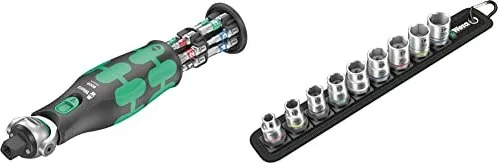
2 Pages

2 Pages
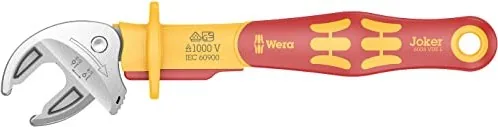
11 Pages
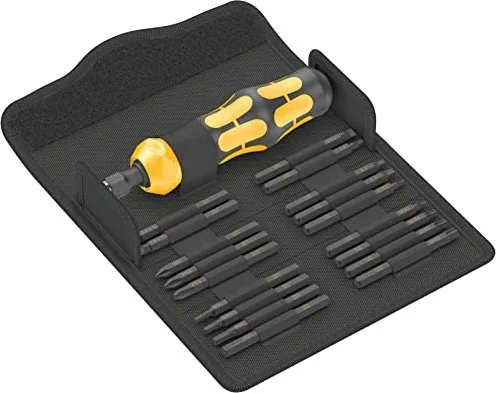
2 Pages
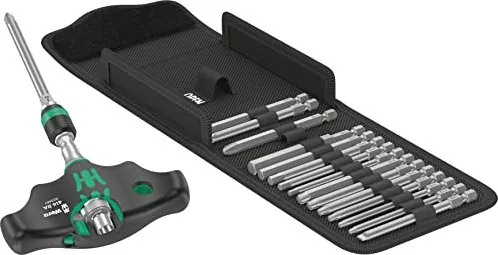
13 Pages
2 Pages
2 Pages
Categories

Free Wera Manuals - Read, Download & Print
Find Wera Manuals for Tools, Accessories, and Product Information
Looking for clear, practical information about Wera products? This page is designed to help users locate free Wera manuals that can be read online, downloaded for later use, or printed for convenient reference in a workshop, garage, service vehicle, or home toolbox. Manuals are useful for identifying product features, understanding proper operation, reviewing safety guidance, checking technical details, and maintaining confidence when using professional hand tools.
Wera is known for screwdrivers, bit sets, ratchets, sockets, torque tools, hex keys, insulated tools, and specialized workshop equipment. Because individual products may have unique functions, settings, compatible accessories, or safety requirements, the correct manual can be an important part of responsible tool use. Whether you need information for a new purchase, an older item, or a tool received without paperwork, a product manual can provide a helpful starting point.
Read Wera Manuals Online
Reading a Wera manual online offers quick access to essential product details without needing to store a paper copy. Digital manuals are especially useful when you need to check instructions immediately before beginning a task. You can review product descriptions, operating steps, warnings, maintenance recommendations, and technical specifications directly from a computer, tablet, or mobile device.
Online reading is convenient for users who work in different locations. A technician can consult instructions at a job site, a homeowner can review guidance in the garage, and a workshop manager can make important documentation available to multiple team members. Digital access also makes it easier to search within a document for words such as torque, battery, safety, cleaning, adjustment, storage, or warranty.
When reviewing an online manual, begin by confirming the product name and model designation. Similar Wera products may have different capacities, accessories, or intended applications. Checking the full model information helps ensure that the instructions match the tool in your hand.
Benefits of Online Manuals
- Quick access from many devices
- Easy searching for specific topics
- No need for physical storage space
- Helpful for comparing product features
- Useful for checking safety information before use
- Convenient for workshops and mobile professionals
Download Wera Manuals for Offline Access
Downloading a Wera manual can be useful when internet access is limited or when you want to keep product documentation with your digital records. A saved manual allows you to refer to instructions while traveling, working in remote areas, or organizing documents for equipment used by a team.
Many users create a dedicated folder for tool manuals and label files with the brand, product type, model number, and date of download. This simple system makes it easier to find instructions later. For example, you may separate documents into folders for screwdrivers, torque tools, sockets, insulated equipment, and measuring accessories. If you manage a larger workshop, storing manuals alongside inventory records can support maintenance planning and employee training.
Before downloading, verify that the file applies to the correct product version. Product designs can change over time, and newer or older versions may have different instructions. Keep the original file name if it includes model information, or rename it clearly so it remains easy to identify.
Tips for Saving Manuals
- Check the product model before downloading.
- Save the file in a clearly named folder.
- Keep a backup copy on secure storage.
- Record the source and download date if needed.
- Review updated documentation when product changes occur.
- Use the latest official information whenever available.
Print Wera Manuals for Workshop Use
A printed Wera manual can be valuable when a screen is impractical. Paper instructions are easy to keep near a workbench, inside a tool cabinet, with a service log, or in a vehicle used for field work. Printed pages can also be helpful during training sessions, inspections, or maintenance procedures where several people need to review the same information.
For best results, print only the pages that are most relevant to your work. Important sections often include safety warnings, adjustment instructions, torque settings, care information, troubleshooting guidance, and parts or accessory references. Printing selected pages can reduce waste while preserving the information you use most often.
If a manual will be used regularly in a workshop, consider placing it in a protective sleeve or binder. This helps keep pages clean and readable in environments where dust, oil, moisture, and frequent handling are common. A printed quick-reference copy should complement, not replace, the complete current manual.
Printing Suggestions
Use clear print settings so diagrams and safety symbols remain readable. Print double-sided when appropriate, use durable paper for frequently handled pages, and keep the document away from heat, liquids, and moving equipment. If the manual includes color-coded warnings or illustrations, color printing may improve clarity.
Information Commonly Found in Wera Manuals
Wera manuals and product documents may include a variety of useful information depending on the tool category. A screwdriver, ratchet, torque tool, or insulated product can each require different instructions. Reviewing the complete documentation helps users understand the product beyond its basic appearance.
Common manual sections may include:
- Product identification and model details
- Intended use and operating limitations
- Safety notices and warning symbols
- Setup, assembly, and adjustment steps
- Instructions for selecting bits, sockets, or accessories
- Torque ranges and calibration information where applicable
- Battery or electronic component guidance where applicable
- Cleaning and storage recommendations
- Inspection and maintenance intervals
- Troubleshooting information
- Technical specifications and dimensions
- Service, repair, recycling, and warranty details
Always follow the instructions specific to the product. A manual may identify conditions that affect safe use, accuracy, tool life, or performance. For example, torque tools may require careful handling and proper storage, while insulated tools may include special inspection guidance. Using the correct documentation supports safer work and helps protect both the tool and the workpiece.
How to Identify the Correct Wera Manual
Finding the right manual starts with accurate product identification. Look for markings on the handle, shaft, body, packaging, label, or included documentation. Product numbers, series names, drive sizes, torque ranges, and set descriptions can all help distinguish similar items.
If you have a Wera set rather than a single tool, check whether the documentation applies to the complete kit or to individual components. A set may contain multiple interchangeable parts, and some components may have their own instructions or limitations. Pay close attention to compatibility details for bits, sockets, adapters, blades, and replacement accessories.
Product Details to Check
Before selecting a manual, compare the following details:
- Exact product or article number
- Tool category and series name
- Drive size or blade type
- Torque range, if relevant
- Insulation rating, if relevant
- Included accessories
- Product generation or manufacturing date
- Language and regional version of the document
If the model number is not visible, compare product photographs, dimensions, markings, and functional features carefully. Avoid relying only on a general product name because multiple versions can share similar descriptions.
Safety and Proper Tool Use
Manuals are not only technical references. They also contain safety information that should be reviewed before operating, adjusting, maintaining, or repairing a tool. Proper use begins with selecting the correct tool for the task, checking that it is in good condition, and following all applicable workplace procedures.
Inspect tools before use for visible damage, wear, contamination, loose parts, or altered components. Do not use a tool beyond its stated purpose or rating. Use suitable personal protective equipment and maintain a stable working position. Keep tools clean, dry, and stored where they are protected from unnecessary impact and environmental exposure.
For electrical work, use products rated for the intended application and follow established electrical safety practices. For torque-related tasks, use the correct range and method specified for the tool and application. If a manual recommends professional service, calibration, or replacement, follow that guidance rather than attempting an unsupported repair.
Keep Your Wera Documentation Organized
A well-organized manual collection can save time and reduce uncertainty. Keep digital and printed records current, especially for tools used in professional environments. When a new Wera product is added to your collection, save its documentation at the same time. When a tool is sold, transferred, serviced, or removed from use, update your records accordingly.
Free Wera manuals offer a practical way to access product information whenever it is needed. Read instructions online for immediate help, download documents for offline reference, and print key pages for the workshop. By using the correct manual for the exact product, you can work with better information, support proper maintenance, and make informed decisions about safe, effective tool use.
Search for 67,706 Manuals online


Type-in Brand or Model