

Free Heusinkveld Manuals – Read, Download & Print
3 Manuals
Manuals


Categories

Comprehensive Guide to Heusinkveld Manuals
Understanding the Importance of Official Documentation
When purchasing high performance simulation racing equipment, the quality of the user documentation is just as critical as the hardware itself. Heusinkveld is a well known brand in the sim racing community, recognized for producing precision pedals and steering wheels that mimic the feel of real motorsport vehicles. Their manuals serve as the essential bridge between the user and the advanced technology contained within their devices. Whether you are a first time sim racer or a seasoned professional, consulting the official documentation ensures that you extract the maximum performance value from your equipment. The manuals are designed to cover every aspect of the product lifecycle, from the initial unboxing experience to long term maintenance protocols.
The Heusinkveld philosophy centers on precision and durability. To achieve this, the manual provides detailed engineering data that allows users to understand the limits of the hardware. Ignoring the manual can lead to incorrect setup which results in poor lap times or premature wear of components. For enthusiasts who want to fine tune their feedback loops or adjust pressure points for specific racing games, the manual is the only authoritative source of information available. It transforms the device from a simple peripheral into a calibrated engineering tool.
Product Specific Manual Variations
Heusinkveld offers a diverse range of products, and consequently, there are multiple manual types available depending on the specific hardware you own. Each manual is tailored to the unique specifications of the model line.
Pedal Set Documentation
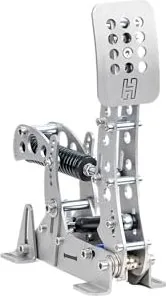
The pedal sets are arguably the most popular product line within the Heusinkveld ecosystem. These include models like the Sprint, Sim, Supersprint, Ultimate, and Extreme pedals. Each of these sets has unique features requiring specific calibration steps that are explained in depth within their respective guides. For example, load cell brakes found in the Ultimate and Extreme models operate differently from mechanical resistive pedals. The manuals provide detailed explanations on how these sensor technologies work, how to install the pressure sensors, and how they affect your braking feel. It is crucial to read the specific section relevant to your pedal set to avoid setup errors that could impact your lap times and racing safety.
The Supersprint manual emphasizes the adjustment of the springs, while the Ultimate manual focuses on the pressure calibration. The documentation explains how to swap out springs for lighter or heavier braking feel depending on the type of simulation game you play. This level of detail is essential for serious racers who need consistent input across different titles.
Steering Wheel Documentation
While less common than pedals, Heusinkveld also produces steering wheels and hubs. The manuals for these products focus heavily on mounting systems, wire management, and button configuration. Unlike pedals which are static, wheels require complex integration with racing simulators. The documentation guides users through the connection of the force feedback motor and the setup of the display units if applicable. Detailed wiring diagrams are often included to help users understand the electrical layout before making any physical connections.
The steering wheel manuals also cover the setup of the paddle shifters which are common in Heusinkveld wheel designs. Users are taught how to configure the paddle range to fit within the physical constraints of their rig while ensuring the digital input is registered without delay. This prevents ghost inputs which can cause unintended gear changes during automated transmissions.
Installation Procedures and Best Practices
Unboxing and Mounting Instructions
The first step in the process is unpacking the device safely. The Heusinkveld manuals emphasize the importance of checking for damage before discarding packaging materials. Once the box is open, users are advised to locate all screws, bolts, and mounting brackets included in the kit. The manuals provide clear diagrams on how to secure the pedal box to your desk or racing rig. Stability is paramount during high intensity racing sessions where heavy braking and steering inputs are common. Loose components can lead to dangerous failures during use.
The text often suggests using double sided adhesive tapes or clamps depending on the rig type to ensure the device remains fixed in place. The manual also explains the use of rubber feet which prevent vibration transmission through the floor of the rig. Proper mounting reduces fatigue and ensures that the pedals do not shift position during aggressive driving maneuvers.
Electrical Connections
Connecting the device to a power source and a computer is a critical phase. The guides usually contain a section detailing the cable types and the required power supply specifications. For USB connectivity, the manuals specify which port is best for data transfer and which is for power if a separate source is required. Users are warned against using cheap extension cables that might introduce latency or power drops. The documentation also covers the use of adapter plates if mounting the hardware on an existing frame structure. Proper cable management reduces the risk of tripping or accidental disconnection while wearing racing boots.
Software and Configuration
Driver Installation
Many modern Heusinkveld products require specific drivers to function correctly on Windows or Linux systems. The manual directs users to the official website where the latest software packages can be downloaded. Installation involves running an executable file and following the on screen prompts. The guide highlights the need to keep drivers updated as new firmware versions often rely on updated software stacks. Failure to install the correct driver can result in the device not being recognized by the operating system.
The software installation process often requires the user to restart their computer to finalize driver registration. The manual explains how to verify successful installation through the device manager in the operating system settings. This verification step ensures that the hardware communication path is open before attempting to launch a racing game.
Calibration Tools
One of the most important aspects of the manual is the calibration procedure. This allows the user to define the sensitivity and dead zones of the inputs. Calibration ensures that light touches at the start of the stroke are registered accurately and that the pedal bottoms out only when intended. The instructions typically involve using the provided software interface to view voltage values. Users are trained to adjust the pressure settings until they match the recommended ranges for their specific racing discipline. This step is often repeated after moving the rig to a different location or changing the mounting position.
Firmware Updates
Firmware updates can add new features or fix bugs discovered in earlier versions. The manuals explain how to put the device into bootloader mode. Users must be careful during this process because interrupting the data transfer can disable the hardware temporarily. The guide provides clear error codes that might appear on the display or within the software if a update fails. Keeping the device on the latest firmware is considered a best practice for compatibility with new racing titles that require specific input formats.
Common Issues and Solutions
Even with perfect hardware, users may encounter problems. The troubleshooting section of the manual is a valuable resource for diagnostics. Common issues include disconnected inputs, erratic force feedback, or pedals not centering correctly. The manual lists potential causes such as loose wires, incorrect software settings, or incompatible drivers. It suggests systematic steps to isolate the problem starting with the simplest solution like resetting the device power. In some cases, the manual advises contacting customer support with proof of purchase and serial numbers if the issue persists beyond the troubleshooting steps.
Final Thoughts on Documentation
The Heusinkveld manuals represent a commitment to quality and user success. They are not simply legal documents but functional guides that empower the racer. Taking the time to read and understand these instructions leads to a more immersive and accurate sim racing experience. The hardware is capable of professional grade performance but only when configured correctly according to the specifications provided. By following the guidelines found within these documents, owners can ensure safety, longevity, and optimal performance for their sim rig. Always keep the physical or digital copy of the manual accessible for future reference.
These documents act as the technical blueprint for your racing setup. They ensure that your investment yields high fidelity feedback and reliable operation over many years of use. Ignoring them is an unnecessary risk for any serious competitor in the digital racing world.
Search for 67,706 Manuals online


Type-in Brand or Model