

Free DT Swiss Manuals – Read, Download & Print
5 Manuals
Manuals
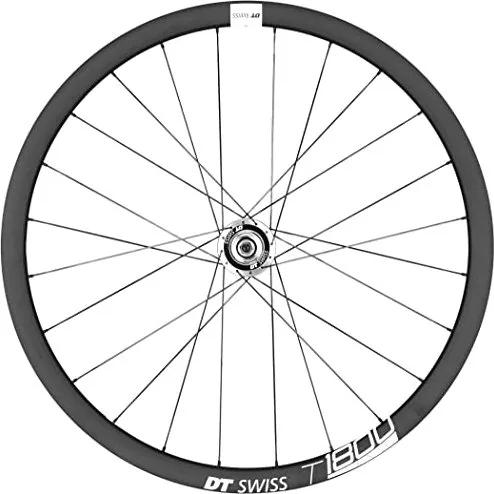
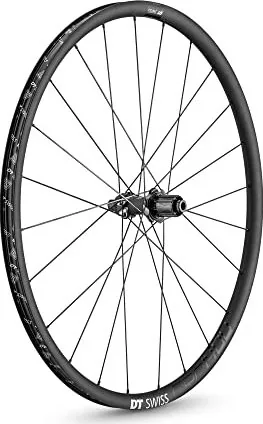

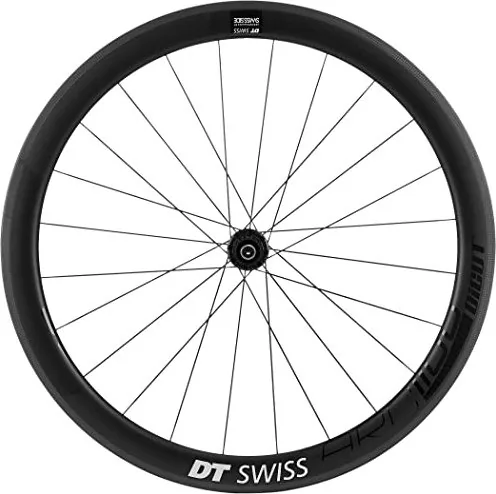
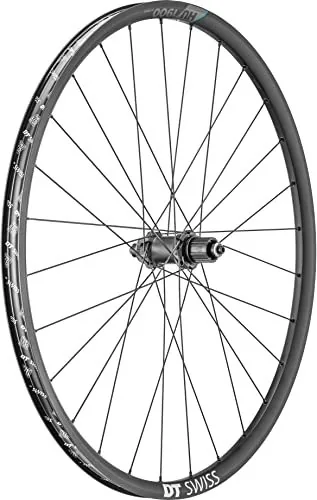
Categories

Free DT Swiss Manuals - Read, Download & Print
Find Clear Documentation for DT Swiss Components
DT Swiss manuals help riders, mechanics, and workshop teams understand the setup, use, maintenance, and service requirements of wheels, hubs, forks, shocks, spokes, rims, and related components. Whether you are preparing a new wheelset for its first ride, checking hub compatibility, adjusting suspension settings, or replacing a worn service part, the correct manual can provide essential technical information.
Free DT Swiss manuals are useful for anyone who wants to read product instructions before making changes to a bike. Documentation can include installation procedures, torque guidance, exploded diagrams, maintenance intervals, approved lubricants, spare-part references, and safety notices. Having the manual available in digital form makes it easier to consult the information at home, in a workshop, or while traveling.
Read DT Swiss Manuals Online
Reading a DT Swiss manual online is a convenient option when you need quick access to product details without saving a file. Digital manuals are commonly organized by product category and model family, allowing users to locate information for specific wheels, hubs, suspension products, or accessories.
Before following any instructions, confirm that the document matches the exact component on your bike. DT Swiss products can vary by model year, axle standard, wheel diameter, freehub body type, brake interface, and intended riding category. A manual for one version may not apply to another version, even when the products appear similar.
Useful details to check before reading include:
- Product name and model designation
- Production year or generation, where available
- Wheel or hub series
- Axle and freehub standard
- Disc brake or rim brake configuration
- Suspension travel and platform, for forks or shocks
- Part number, serial number, or identification markings
Reading the correct documentation helps reduce the risk of using incompatible parts or applying incorrect service procedures. For safety-critical work involving braking systems, suspension, carbon components, or wheel tension, follow the published instructions carefully and seek qualified service support when needed.
Download Manuals for Offline Reference
Downloading a DT Swiss manual can be helpful when internet access is limited or when you want to keep product information with your bike records. Saved documents are useful during workshop maintenance, race travel, long tours, and emergency repairs. A downloaded PDF can also be searched for keywords such as torque, bearing, ratchet, valve, spoke, seal, pressure, or service kit.
When saving a manual, use a clear file name that identifies the component. For example, include the product family, model year, and component type. Organizing files in folders such as Wheels, Hubs, Suspension, and Service Documents can make future maintenance much easier.
It is also helpful to save related documents together. In addition to an owner's manual, you may need a technical manual, service guide, compatibility chart, exploded view, or spare-parts list. These documents can answer different questions. An owner's manual often covers normal use and safety, while a service guide may provide more detailed procedures for trained mechanics.
For the most current information, verify that downloaded files come from an official DT Swiss source or an authorized distributor. Product instructions and specifications can change, and older documents may not include the latest compatibility notes or safety updates.
Print Manuals for the Workshop
Printing a DT Swiss manual creates a practical reference for hands-on work. A printed copy can be easier to use when your hands are dirty, when a device battery is low, or when multiple people need to review instructions at the same time. Workshop users often print exploded diagrams, torque tables, service sequences, and parts lists for quick access.
Before printing an entire document, consider printing only the relevant pages. This can save paper while keeping the most useful information close at hand. Common pages to print include:
- Safety warnings and intended-use information
- Installation steps
- Torque specifications
- Maintenance schedules
- Exploded component diagrams
- Bearing, seal, and ratchet information
- Compatible axle, freehub, or rotor standards
- Troubleshooting instructions
Use a clear print setting so diagrams, labels, and small technical text remain readable. If the manual contains color-coded illustrations, color printing may improve clarity. Keep printed manuals in a clean binder or protective sleeve, especially in a workshop environment where oil, grease, water, and dust can damage paper.
DT Swiss Wheel and Hub Documentation
DT Swiss wheels and hubs are widely used across road, gravel, mountain, e-bike, and performance cycling applications. Manuals for these products may explain wheel installation, tubeless setup, rim tape selection, valve installation, rotor mounting, cassette fitting, axle conversion, and hub servicing.
Hub documentation is especially important when working with freehub systems, ratchet mechanisms, bearings, end caps, and axle interfaces. Correct lubrication and assembly are essential for reliable engagement and long-term durability. Do not substitute grease, oil, seals, springs, or internal parts unless the documentation confirms compatibility.
Wheel manuals can also contain important information about spoke tension, tire pressure limits, approved tire types, rim profiles, and maximum system weight. These limits should be followed closely. Incorrect tire installation or excessive pressure can damage a rim or create a safety hazard.
Suspension Manuals and Setup Information
DT Swiss suspension manuals may cover forks, rear shocks, remotes, air chambers, damping controls, and service intervals. Riders can use these documents to understand basic adjustments such as air pressure, rebound, compression, lockout operation, and sag measurement.
Suspension setup should be based on rider weight, riding style, terrain, bike design, and manufacturer recommendations. A manual can provide a starting point, but personal adjustment may be needed for comfort, traction, and control. Record your preferred settings after testing so they can be restored after service or seasonal changes.
Advanced suspension maintenance may require specialized tools, clean working conditions, replacement seals, and technical experience. If a procedure involves opening a damper, servicing internal air components, or handling pressurized parts, professional service may be the safest option.
Use Manuals for Maintenance Planning
A manual is more than an installation guide. It can help create a maintenance routine that protects your equipment and identifies wear before it becomes a larger problem. Regular inspection is particularly valuable for riders who use their bikes in wet, muddy, dusty, or high-mileage conditions.
Basic checks may include cleaning the hub exterior, inspecting spoke condition, checking rotor attachment, examining rim damage, testing bearing smoothness, verifying axle security, and looking for leaks or damage on suspension components. Maintenance intervals should be adjusted for real-world riding conditions. Frequent rain, bike washing, racing, and off-road use can increase service needs.
Keep a simple service log with dates, mileage, replacement parts, and observations. This record can help track recurring issues and provide useful information to a mechanic. It can also make it easier to identify when a hub service, suspension inspection, or wheel truing session is due.
Safety and Compatibility Matter
Always prioritize safety when using DT Swiss manuals. Bicycle components operate under high loads, especially during braking, descending, jumping, and e-bike use. Follow specified torque values, use suitable tools, and inspect all parts before riding.
If a manual conflicts with instructions from the bicycle frame, brake, drivetrain, tire, or suspension manufacturer, review both sources and use the guidance that applies to the complete system. Compatibility is not limited to a single part. A wheel, hub, rotor, cassette, axle, frame, fork, and tire must work together correctly.
Stop using a component if you notice cracks, severe dents, loose spokes, unusual hub noises, damaged threads, oil leaks, or changes in braking performance. Do not continue riding until the cause has been inspected and addressed.
Access the Right Manual Before You Start
Free DT Swiss manuals make technical information easier to access for routine care, product setup, and informed maintenance decisions. Read documents online for quick answers, download them for offline use, and print important pages for workshop reference. By selecting the correct manual and following current manufacturer guidance, you can help maintain reliable performance, improve safety, and get more value from your DT Swiss components.
Search for 67,706 Manuals online


Type-in Brand or Model