

Free Axkid Manuals – Read, Download & Print
4 Manuals
Manuals


Categories

Axkid Manuals: The Essential Guide to Child Safety and Installation
Understanding the Importance of Proper Documentation
Axkid is a leading brand in the automotive child safety industry, renowned for its innovative rear-facing car seats that prioritize maximum protection for young children. Unlike traditional forward-facing seats, Axkid products are designed to keep children facing backward for as long as possible, significantly reducing the risk of injury during collisions. To ensure that every parent or guardian can utilize these high-performance seats correctly, Axkid provides comprehensive manuals for each model. These documents are not merely instructional booklets; they are critical safety resources that detail installation procedures, usage guidelines, maintenance requirements, and compliance with international safety standards. Ignoring or misinterpreting these manuals can compromise the effectiveness of the seat, potentially putting a child at risk. Therefore, understanding how to access and interpret Axkid manuals is a fundamental responsibility for any owner.
Key Components of an Axkid Manual
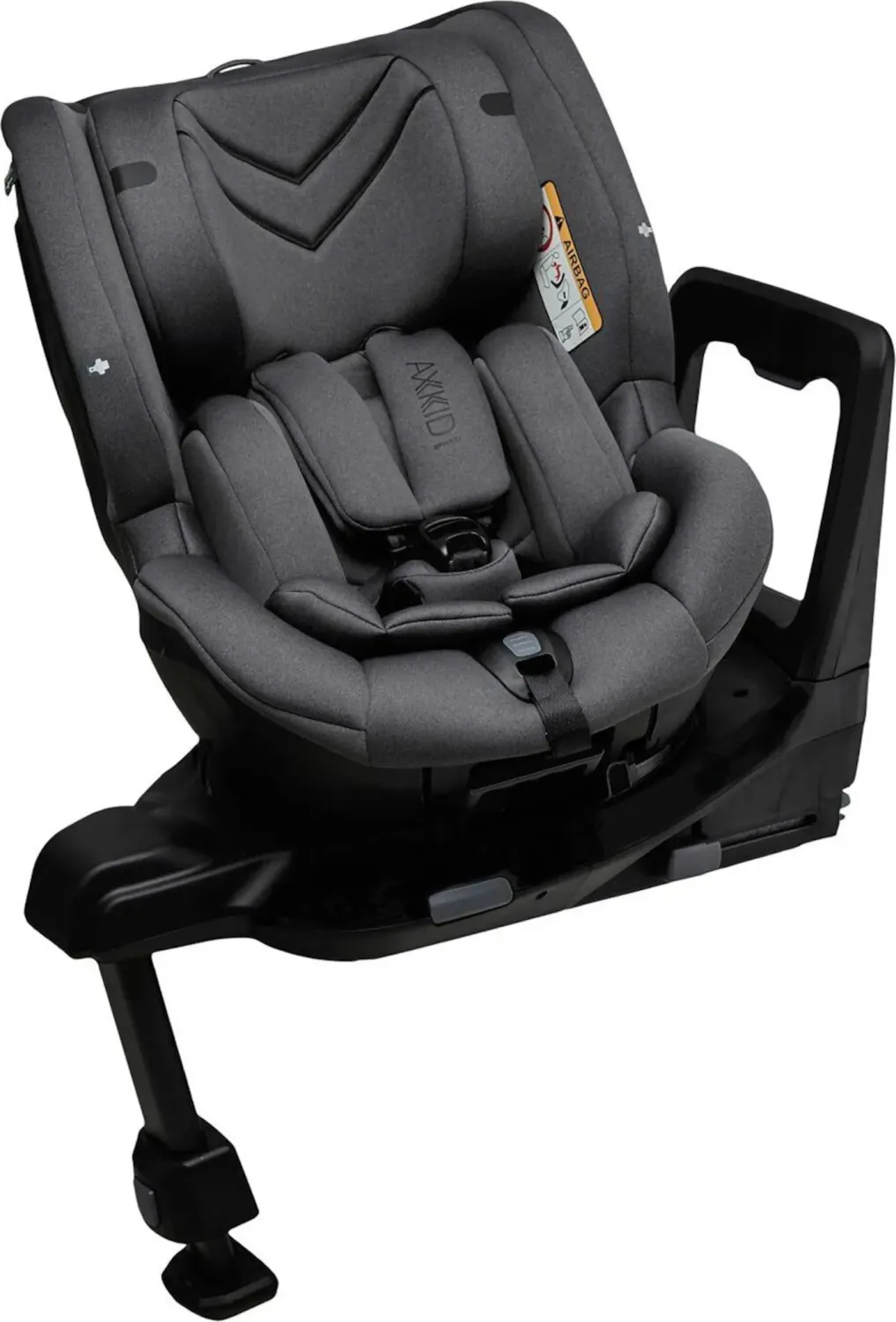
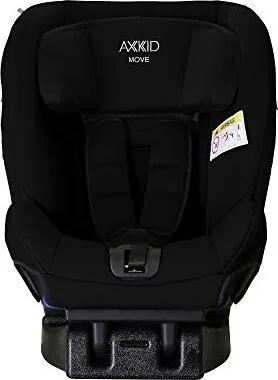
Each Axkid manual is meticulously crafted to address specific models such as the Mini, One, Vario, and Move. While the content varies slightly depending on the product, several core sections remain consistent across the entire range. The introduction typically outlines the safety philosophy behind the brand and explains why rear-facing travel is superior for infants and toddlers. This section often includes statistics or references to crash test data that validate the design choices made by the engineering team. Following the introduction, users will find a detailed list of contents and a quick-start guide for those who need immediate assistance. The quick-start guide usually features step-by-step visuals that allow for rapid setup without reading the entire document first.
The heart of any Axkid manual lies in the installation chapter. This section is divided into two primary methods: installation using the vehicle's seat belt and installation using the Isofix system. For vehicles equipped with Isofix anchor points, the manual provides clear instructions on how to connect the base to the car frame securely. It emphasizes the importance of checking indicator lights or visual cues that confirm a proper lock. For older vehicles or specific seating positions where Isofix may not be available, the seat belt installation guide offers alternative techniques. These instructions include diagrams showing exactly where the belt should thread through the seat, how to tighten it to eliminate slack, and how to secure the top tether if applicable. Accuracy in this step is paramount, as even a slight error in tension or routing can reduce the seat's ability to absorb impact forces.
Another vital component of the manual is the user adjustment guide. Axkid seats feature adjustable headrests, harness heights, and recline angles to accommodate growing children. The manual details how to modify these settings safely. For instance, changing the harness height requires removing the cover, adjusting the strap position, and reassembling the components correctly. Incorrect harness placement can lead to excessive movement during a crash, rendering the seat less effective. The manual also covers the recline function, explaining how to adjust the angle based on the child's age and weight while ensuring the seat remains stable within the vehicle. Visual aids are frequently used here to demonstrate the correct positioning of straps and buckles, making complex adjustments easier for parents to perform.
Maintenance and Care Instructions
Beyond installation and adjustment, Axkid manuals provide essential information regarding the long-term care of the car seat. Regular maintenance ensures that the structural integrity of the seat remains intact over years of use. The cleaning section outlines which parts of the seat can be washed and which must remain dry. Typically, the fabric cover is removable and machine washable, but the plastic shell and metal frames cannot be submerged in water. Users are advised to use mild soap and warm water for spot cleaning and to avoid harsh chemicals that might degrade the materials. The manual also specifies drying times and temperature limits to prevent warping or shrinking of the fabric.
Inspection routines are another key aspect covered in the documentation. Owners are encouraged to regularly check the seat for signs of wear and tear, such as frayed harness straps, cracked plastic, or loose screws. Any damage detected should prompt immediate action, either by contacting Axkid customer support or replacing the affected part. The manual lists common issues that owners might encounter and provides troubleshooting tips before recommending professional assistance. Additionally, there is guidance on what to do after a minor collision. Even if no visible damage is apparent, Axkid recommends having the seat inspected by a certified technician to ensure it has not sustained internal stress that could affect future performance.
Compliance and Safety Standards
Axkid manuals serve as proof of compliance with rigorous safety regulations. Each document explicitly states which standards the product meets, such as ECE R129 (i-Size) or ECE R44/04. These standards dictate the testing protocols for side-impact protection, frontal collision resistance, and stability. By adhering to these guidelines, Axkid ensures that their seats offer a level of protection that exceeds minimum legal requirements. The manual often includes a section dedicated to explaining these standards in simple terms, helping parents understand the significance of certifications like i-Size. This transparency builds trust between the manufacturer and the consumer, reinforcing the brand's commitment to safety.
Troubleshooting Common Issues
A dedicated troubleshooting section addresses frequent questions and problems reported by users. Common queries include how to resolve tight harness tension, how to fit the seat in smaller vehicles, or how to handle incompatible vehicle seat shapes. The manual provides logical solutions for these scenarios, often suggesting alternative installation positions or additional accessories that may assist with fitting. If the issue persists despite following the advice, the manual directs users to contact Axkid support via email or phone. This proactive approach helps prevent frustration and ensures that users do not attempt unsafe workarounds that could jeopardize the child's safety.
Conclusion
In summary, Axkid manuals are indispensable tools for anyone owning an Axkid child car seat. They encompass everything from initial unboxing and installation to daily usage and long-term maintenance. By following the detailed instructions provided in these documents, parents can maximize the protective capabilities of the seat and ensure peace of mind during every journey. Whether navigating the complexities of Isofix connections or adjusting harness heights for a growing toddler, the manual serves as a reliable companion. Investing time in reading and understanding these guides is one of the most important steps a caregiver can take to safeguard their child. Always refer to the specific manual for your model, as designs and features evolve over time. Keep the manual accessible in the vehicle or store it digitally if permitted, so that you can consult it whenever needed. Ultimately, the combination of advanced engineering and thorough documentation makes Axkid a trusted name in child passenger safety.
Search for 67,706 Manuals online


Type-in Brand or Model