
Scott Keeper 2 Manual
PDF manual · 56 Pages
English



Quick check
Incorrect answer, please try again.
Chat with your Scott Keeper 2 manual using AI
Get instant AI answers from your Scott Keeper 2 manual
Ask anything about the Scott Keeper 2. Answers come from this manual, with the pages they are based on.
Keeper 2 Maintenance Schedule
Replace the product three years after the purchasing date for optimum safety, even if no damage is visible.
Let your helmet air dry after each use before storing it in a cool, dry place.
Check straps, stitching, and pads before use. Replace if any damage is found or if the helmet has sustained a severe impact.
Remove the lining by hand and wash with mild soap. Do not machine wash at high temperatures.
Free maintenance reminders
Timed to your purchase date. Always free, unsubscribe anytime.
Ask a Question
Do you recommend Keeper 2?
Yes NoFrequently Asked Questions
The helmet is intended for skiing, snowboarding and related mountain activities. It is certified to EN 1077 for alpine skiing/snowboarding; some SCOTT models also meet EN 12492 for mountaineering. It is not designed for motorized vehicles or mopeds.
Is this answer helpful?
Measure head circumference and consult the manufacturer’s size chart. Try helmets on before purchase: a correct fit moves minimally when twisted and sits low on the forehead just above the eyebrows. If the helmet shifts significantly, try a different size or adjust the fit system.
Is this answer helpful?
Fasten the chin strap securely and tighten so you can still chew and swallow comfortably. Guide the strap’s loose end through the rubber O-ring to prevent loosening. Magnetic or ratchet buckles should click or lock firmly; give a quick tug to verify closure.
Is this answer helpful?
Replace the helmet after any severe impact even if it appears undamaged, because energy-absorbing foam may be compromised. For optimum safety, SCOTT recommends replacing helmets three years after purchase or sooner if wear or damage is evident.
Is this answer helpful?
Clean with a soft cloth, warm water and mild soap; avoid solvents or petroleum-based cleaners. Remove and hand-wash inner padding. Air dry after use and store in a cool, dry place away from direct sunlight and excessive heat to avoid material degradation.
Is this answer helpful?
Only attach accessories if the manufacturer issues a declaration of no objection. As a general rule, helmet-compatible goggles or headlamps should be attached with an elastic band. Unauthorized modifications can compromise safety and void warranty.
Is this answer helpful?
No. The helmet reduces the risk of skull and head injuries in covered areas but cannot protect the face, throat, neck, or spinal column. No helmet can prevent all injuries or fatalities in every accident scenario, especially collisions with motor vehicles.
Is this answer helpful?
Advantages and Disadvantages
Advantages

- Junior-focused sizing and fit systems (dial-adjustment) for secure, comfortable wear.
- Complies with EN 1077 safety standards for skiing and snowboarding protection.
- Lightweight construction with removable, hand-washable inner lining for hygiene.
- Glove-friendly buckles (magnetic or ratchet) and strap guides positioned for correct fit.
- Clear care, storage and replacement guidance to preserve protective performance.
Disadvantages

- Protection limited to areas covered by helmet; face, neck, and spine remain unprotected.
- Must be replaced after severe impact and recommended every three years—ongoing cost.
- Not suitable for motorized activities (motor sports, mopeds) or non-intended uses.
- Incorrect fit or modifications void protection and increase injury risk.
- Certain cleaning agents and heat exposure can irreversibly damage helmet materials.
Product Specification
Type
Helmet
Visor
no
Sizes
20.08-21.65in (S), 21.65-23.23in (M)
Features
Goggle holder, Adjustment system, Ventilation
Product Description
Scott Keeper 2 Helmet (Junior) Manual
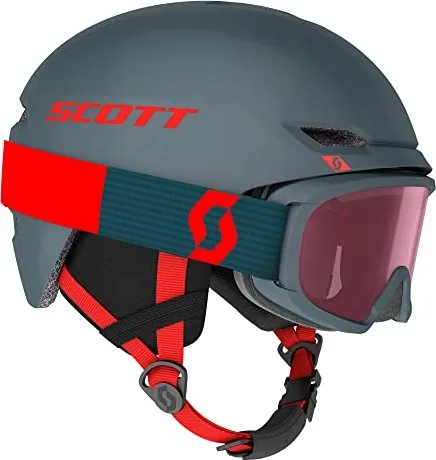
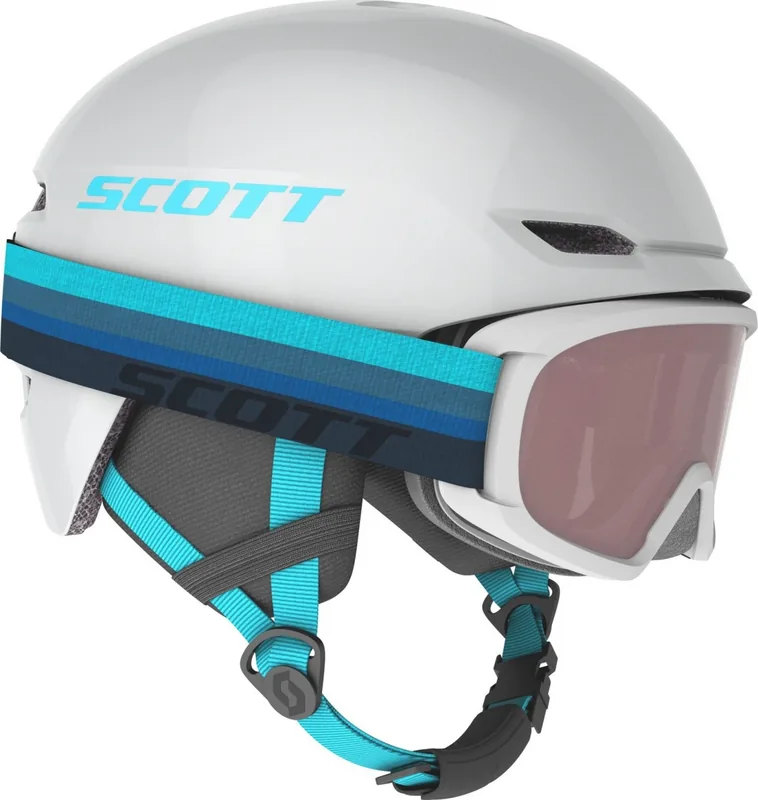
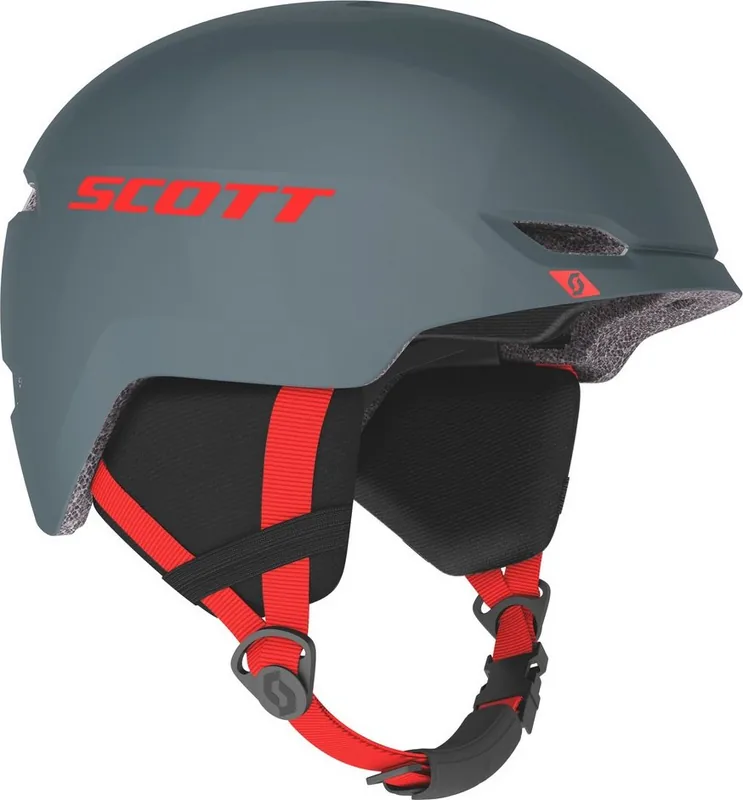
The Scott Keeper 2 Helmet (Junior) is a youth-focused winter sports helmet designed to deliver dependable head protection, comfortable fit, and easy adjustability for skiing and snowboarding. Built on SCOTT’s safety standards and fit systems, it targets young riders who need a lightweight, well-ventilated helmet with secure retention and intuitive adjustment features.
Product overview
This junior helmet follows the same platform principles as SCOTT’s adult lines: certified compliance with EN 1077 (ski/snowboard) standards, careful sizing guidance, and a focus on proper fit and care. The Keeper 2 shares design cues such as low-profile coverage over the forehead, integrated strap guides positioned beneath the earlobes, and a comfortable, removable lining that can be hand-washed. Emphasis is placed on choosing the correct size using the manufacturer’s size chart and testing the fit by attempting gentle head rotations to ensure minimal movement.
Fit and adjustment
The helmet includes an adjustable fit system (dial-based WRAS/WRAS 2 / HALO style) that allows micro-adjustments for a snug but comfortable seal. The chin strap is intended to be secured under the chin and tightened so the helmet remains stable during activity; strap ends are passed through a rubber O-ring to prevent loosening. Magnetic or ratchet buckles (depending on model variants) allow quick fastening and are designed to be glove-friendly for juniors.
Safety and intended use
Designed expressly for skiing, snowboarding and related mountain activities, the Keeper 2 reduces the risk of skull and head injuries for impacts covered by the helmet shell. It does not protect the face, neck, or spine. SCOTT recommends replacing helmets after severe impacts and generally within three years of purchase for optimal protection. The product complies with relevant PPE regulations and bears CE/UKCA markings where applicable.
Care and maintenance
Clean with mild soap and warm water; avoid solvents or petroleum-based cleaners that can degrade materials. Remove and hand-wash inner padding only. Store the helmet dry in a cool place and avoid prolonged exposure to heat or direct sunlight. Inspect regularly for wear, damaged straps, stitching or padding; replace if any compromise is found.
Notes
- Always fit and test a helmet before use; do not borrow helmets between users.
- Never modify the helmet or attach accessories unless approved by SCOTT.
- Replace the helmet after a significant impact even if damage is not visible.
- Helmets are not suitable for motorized vehicle use or mopeds.
Search for 67,706 Manuals online


Type-in Brand or Model