
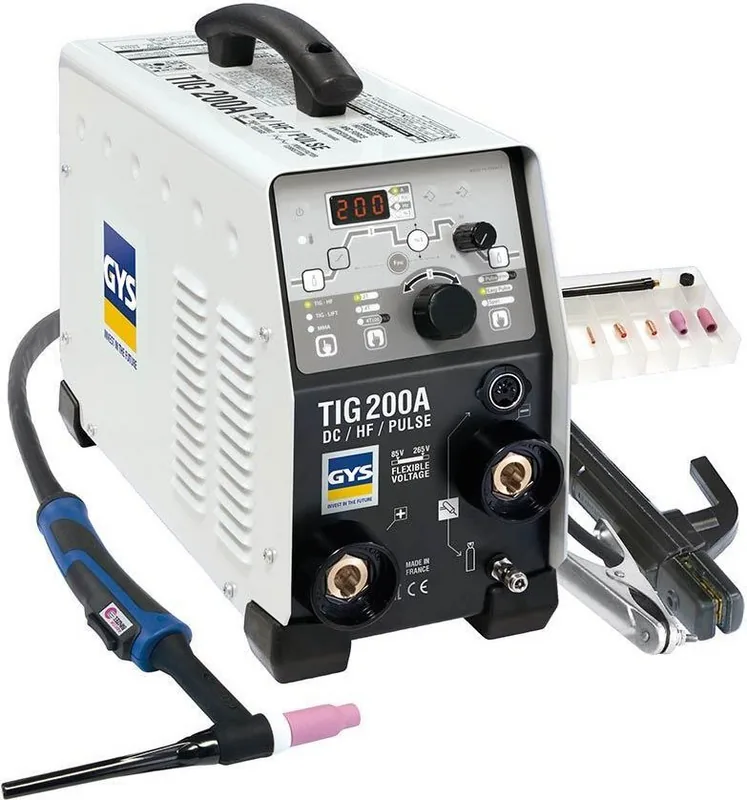
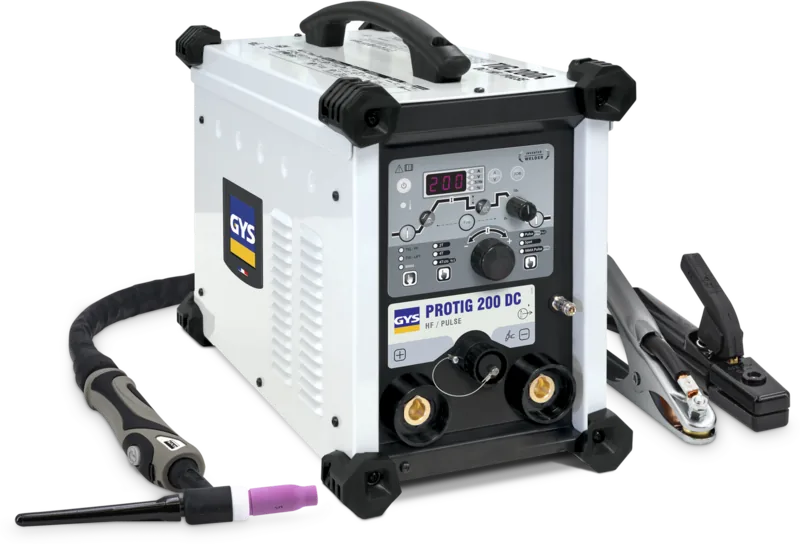
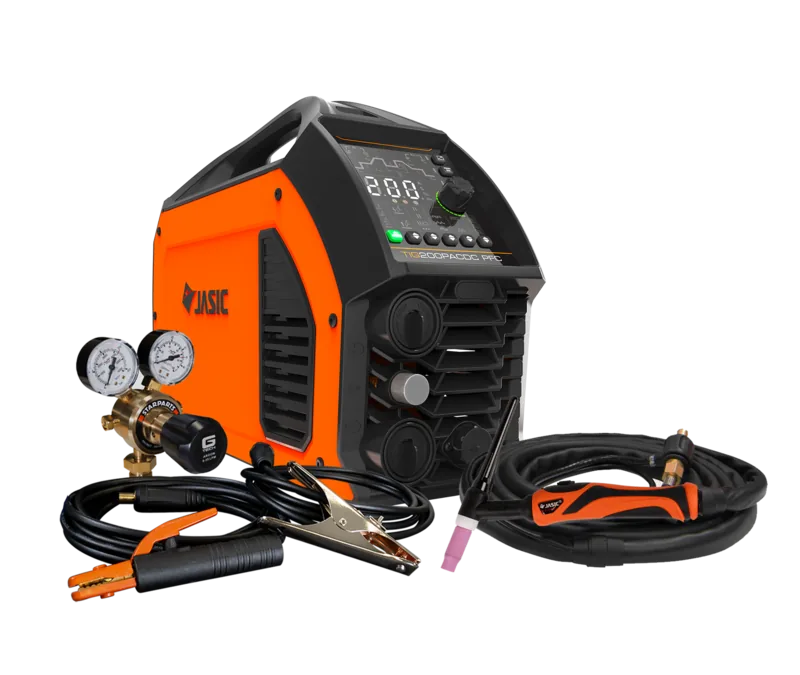
GYS TIG 200 DC HF FV Manual
PDF manual · 80 Pages
English



Quick check
Incorrect answer, please try again.
Chat with your GYS TIG 200 DC HF FV manual using AI
Get instant AI answers from your GYS TIG 200 DC HF FV manual
Ask anything about the GYS TIG 200 DC HF FV. Answers come from this manual, with the pages they are based on.
TIG 200 DC HF FV Maintenance Schedule
Have a qualified person perform routine maintenance and verify electrical safety.
Remove the cover 2 to 3 times a year to remove excess dust using compressed air.
Free maintenance reminders
Timed to your purchase date. Always free, unsubscribe anytime.
Ask a Question
Do you recommend TIG 200 DC HF FV?
Yes NoFrequently Asked Questions
It is mainly suited for DC TIG welding with argon protection, but it also supports MMA stick welding. That makes it useful for precision work, repairs, and general workshop tasks.
Is this answer helpful?
Yes. HF start allows non-contact ignition for clean starts, while Lift mode is useful when high-frequency starts are not suitable or when reduced interference is preferred.
Is this answer helpful?
Yes, the machine is designed to work with compatible generators, provided the output is stable and meets the required voltage and frequency limits.
Is this answer helpful?
In MMA mode it can handle rutile, basic, stainless steel, and cast iron electrodes. In TIG DC mode it is intended for steels and similar DC-compatible materials.
Is this answer helpful?
These modes help reduce heat input and improve control on thinner parts or sensitive joints. They also help limit distortion and create a more controlled weld pool.
Is this answer helpful?
Yes, it includes five memory slots for saving and recalling common TIG settings, which speeds up repeat jobs and helps keep weld parameters consistent.
Is this answer helpful?
Advantages and Disadvantages
Advantages

- Wide voltage range on the FV model supports unstable or mixed-site power conditions.
- HF and Lift start options offer cleaner arc initiation in different environments.
- TIG, MMA, Pulse, Easy Pulse, Spot, and memory functions improve versatility.
- Remote control and foot pedal compatibility help fine-tune welding current.
Disadvantages

- TIG welding requires shielding gas, so extra setup and consumables are needed.
- Advanced settings may take time to learn for beginners.
- The machine is intended for DC welding only, not AC applications.
- Proper ventilation and strict safety measures are essential during use.
Product Specification
Power
9.39hp (110-230V)
Open-circuit voltage
76V
Control range
5-200A (TIG)
Dimensions
12.20x16.54x5.91in (HxWxD)
Weight
26.46lb
Product Description
GYS TIG 200 DC HF FV Inverter Welding Machine: Compact Power for Precise Welding
The GYS TIG 200 DC HF FV Inverter welding machine incl. accessories Manual points to a versatile machine built for welders who want control, portability, and dependable performance. This inverter unit is designed for DC TIG welding with argon shielding, while also supporting MMA stick welding for routine repair jobs and mixed workshop use.
Built for flexibility
One of the standout strengths of the TIG 200 DC HF FV is its wide input range on the FV version, making it a practical choice for sites where power conditions are not always ideal. It is also generator-friendly, which adds mobility for field work, maintenance teams, and installers. The machine combines HF ignition for clean, contact-free arc starts with Lift mode for environments where high-frequency start is not preferred.
Useful features for cleaner results
This welder offers several functions that help improve arc quality and weld finish. Two-step and four-step trigger modes make long seams more comfortable, while 4T Log adds a convenient switch between hot and cold current during welding. Pulse and Easy Pulse reduce heat build-up, which is especially helpful when working on thinner materials or when controlling distortion matters. A Spot mode is also available for tacking parts before final welding.
Practical control and storage
The interface is built around fast setup and repeatable results. Users can adjust pre-gas, up-slope, welding current, pulse frequency, cold current, down-slope, and post-gas to suit the joint and material. Five memory slots allow common settings to be saved and recalled quickly. On compatible configurations, remote control or a foot pedal adds even finer current adjustment.
Why it stands out
For hobbyists with higher expectations and professionals who need a reliable DC TIG platform, this machine offers a balanced mix of portability and function. It supports stainless steel, mild steel, cast iron, and rutile or basic electrodes in MMA mode. The included accessories and the clear logic of the control system make it easier to move from setup to production without wasted time.
Notes
- Use proper ventilation and full protective gear during welding.
- Argon shielding is required for TIG operation.
- Let the torch cool before maintenance.
- Keep cables fully uncoiled to avoid overheating.
Search for 67,706 Manuals online


Type-in Brand or Model