

Free Dynaudio Manuals – Read, Download & Print
8 Manuals
Manuals

Categories

Dynaudio Manuals
Overview
Dynaudio manuals are practical guides designed to help users understand, install, configure, and get the best performance from Dynaudio audio products. Whether the product is a pair of passive loudspeakers, active studio monitors, subwoofers, or home audio systems, the manual serves as the first and most reliable source of information. It typically explains product features, technical specifications, safety instructions, setup steps, and troubleshooting guidance. For both new owners and experienced audio professionals, these manuals are essential for proper use and long-term care.
Dynaudio is known for precision engineering, high-quality sound reproduction, and careful attention to acoustics. Because of that, its manuals are often more than simple instruction sheets. They are structured references that help users position speakers correctly, connect them to compatible equipment, and understand performance characteristics. In many cases, reading the manual can significantly improve sound quality and prevent installation mistakes.
What Dynaudio Manuals Usually Include
Dynaudio manuals generally cover several key areas that are important for setup and operation. The exact content depends on the product category, but most manuals include the following sections.
Product Identification
The manual normally begins with the product name, model number, and a brief description of the device. This helps users confirm that they are reading the correct documentation for their specific unit.
Safety Information
Safety guidance is a core part of any Dynaudio manual. This section may include warnings about electrical connections, handling the unit carefully, keeping the product away from moisture, and using proper ventilation. For powered speakers and active monitors, safety instructions often explain how to connect power correctly and avoid damage from incorrect voltage or improper cabling.
Setup and Installation
A major part of the manual is dedicated to installation. For speakers, this may involve placing the units at the correct height, distance, and angle. For studio monitors, the manual may describe the ideal listening triangle and recommended acoustic treatment. For home theater systems, it may outline placement relative to the listening position and room layout.
Connections and Inputs
Many Dynaudio products offer multiple connection options. Manuals usually explain how to connect analog inputs, digital inputs, power cables, speaker wire, or network connections. The instructions help users avoid confusion about polarity, signal routing, and compatibility with amplifiers, DACs, and audio interfaces.
Controls and Settings
For active speakers and more advanced systems, the manual often explains onboard controls such as volume, EQ settings, room compensation, standby modes, and input selection. These details are especially useful for tailoring the sound to a specific room or workflow.
Technical Specifications
Dynaudio manuals frequently include a specifications section. This may list frequency response, impedance, sensitivity, maximum sound pressure level, power handling, amplifier output, cabinet dimensions, and weight. These figures are useful for comparing models and ensuring system compatibility.
Troubleshooting
Most manuals contain a troubleshooting section that addresses common issues such as no sound, distorted audio, LED indicator behavior, or connection problems. This section can save time by helping users identify and resolve problems without needing immediate technical support.
Why Dynaudio Manuals Matter
A speaker system can only perform as well as it is installed and configured. Dynaudio products are designed to reveal detail and accuracy, which means poor placement or incorrect settings can have a noticeable effect on sound quality. Manuals help users avoid these issues by providing model-specific advice.
For example, a studio monitor may require careful placement near the mixing position to create an accurate stereo image. A home speaker may need distance from walls to reduce bass buildup. A subwoofer may need phase adjustments and crossover settings to integrate properly with the main speakers. Without the manual, these details may be missed, leading to weaker performance and unnecessary frustration.
The manual also helps protect the product. Incorrect amplifier matching, improper wiring, or unsafe power connections can damage audio equipment. By following the documented instructions, users reduce risk and extend the life of the system.
Types of Dynaudio Manuals
Dynaudio produces a range of audio products, and each category often has a different type of manual.
Speaker Manuals
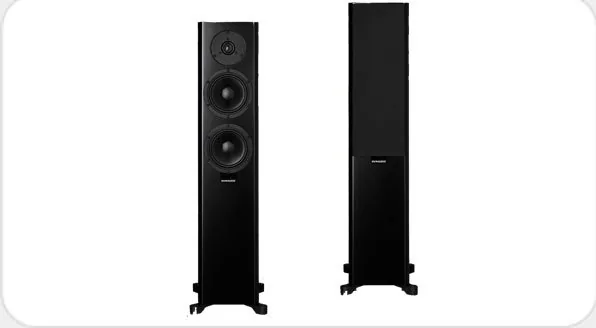
These manuals focus on passive loudspeakers for stereo listening, home theater, or high-fidelity systems. They usually explain placement, connection to amplifiers, and general care.
Studio Monitor Manuals
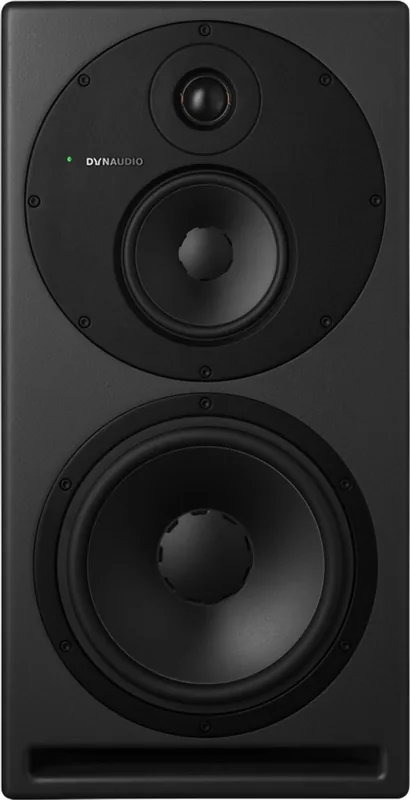
Studio monitor manuals are especially important for recording engineers, producers, and content creators. They often include setup guidance for nearfield monitoring, acoustic positioning, and calibration options.
Subwoofer Manuals
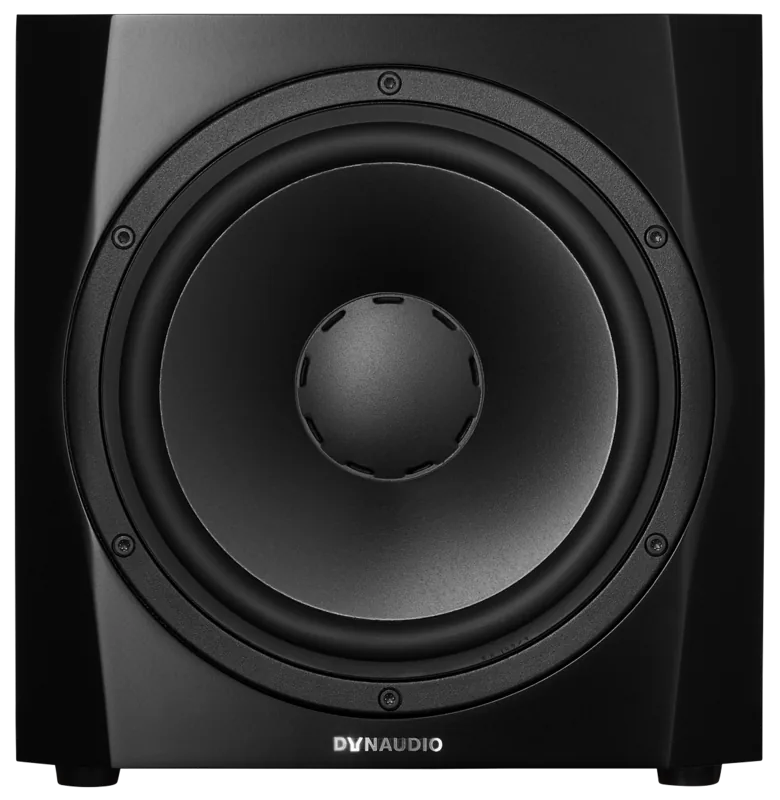
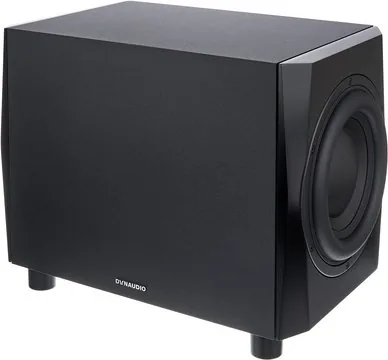
Subwoofer documentation typically describes crossover frequency, phase control, level adjustment, and optimal placement for balanced low-frequency response.
Active System Manuals
Some Dynaudio products combine amplification and speaker design in one enclosure. These manuals may cover network connectivity, firmware updates, DSP settings, and standby behavior.
Car Audio Manuals
Dynaudio also produces automotive audio systems in some markets. These manuals may focus on integration with vehicle electronics, amplifier placement, and installation by qualified technicians.
How to Use a Dynaudio Manual Effectively
The best way to use a manual is to read it before installation or operation begins. Many users only consult the manual after a problem occurs, but reviewing it in advance can prevent errors.
Before Setup
Before connecting anything, identify the model number and confirm that all components are present. Read the safety and installation sections first. This helps ensure that the product is used in the intended environment.
During Installation
Keep the manual nearby while connecting cables, adjusting settings, or positioning speakers. Manufacturer-specific details often matter, especially when there are multiple input types or calibration options.
After Setup
Once the system is running, revisit the manual to check recommended placement and tuning advice. Small adjustments can make a large difference in clarity, stereo imaging, and bass response.
For Maintenance
Use the manual as a reference for cleaning instructions, storage advice, and service recommendations. Proper care helps preserve both appearance and performance.
Benefits of Reading the Manual
Reading a Dynaudio manual offers several practical benefits.
Better Sound Quality
Correct positioning and configuration allow the speaker to perform as intended. This is one of the biggest advantages of using the manual properly.
Fewer Setup Mistakes
The manual reduces the chance of wiring errors, incorrect amplifier pairing, or unsafe placement.
Longer Product Life
Following recommended operating practices helps prevent avoidable wear and damage.
Easier Troubleshooting
When something goes wrong, the manual gives users a structured way to diagnose the issue.
Better Compatibility
The specifications section helps users verify that the speaker or system will work with the rest of their audio chain.
Finding the Right Manual
Users often need the correct manual for a specific Dynaudio model. Because product names may be similar, it is important to match the exact model number and product generation. The best source is usually the official Dynaudio support website or the documentation included with the product packaging. Some retailers and audio forums may host copies, but official documentation is generally the most reliable.
If a manual is not available in printed form, digital PDF versions are commonly provided. These are easy to search, store, and reference on a phone, tablet, or computer during setup. Digital manuals also make it easier to locate a specific section, such as wiring diagrams or control settings.
Who Benefits from Dynaudio Manuals
A wide range of users benefit from these manuals.
Home Audio Enthusiasts
People building a stereo or home theater system can use the manual to achieve balanced, accurate playback.
Music Producers and Engineers
Studio professionals rely on manuals to set up monitoring environments that support critical listening.
Installers and Integrators
Audio installers use the manuals to ensure correct mounting, wiring, and system compatibility.
Casual Users
Even casual listeners benefit from understanding the product’s basic operation and care instructions.
Conclusion
Dynaudio manuals are valuable tools that help users get the most from their audio equipment. They provide clear instructions for setup, connection, adjustment, troubleshooting, and maintenance. Because Dynaudio products are designed for precision and high performance, using the manual is one of the best ways to ensure accurate sound and reliable operation.
Summary
A well-read manual leads to better placement, safer installation, fewer errors, and improved listening results. For anyone using Dynaudio products, the manual is not just optional reading; it is an essential part of the ownership experience.
Search for 67,706 Manuals online


Type-in Brand or Model