

Free Wiha Manuals – Read, Download & Print
9 Manuals
Manuals
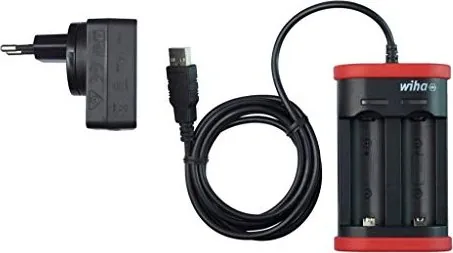
60 Pages
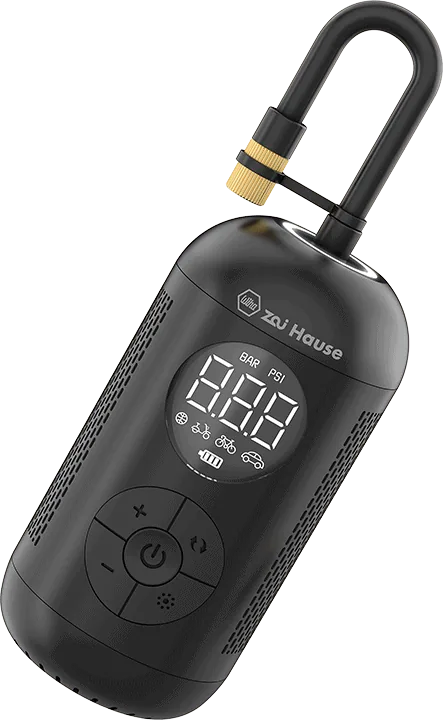
88 Pages

18 Pages
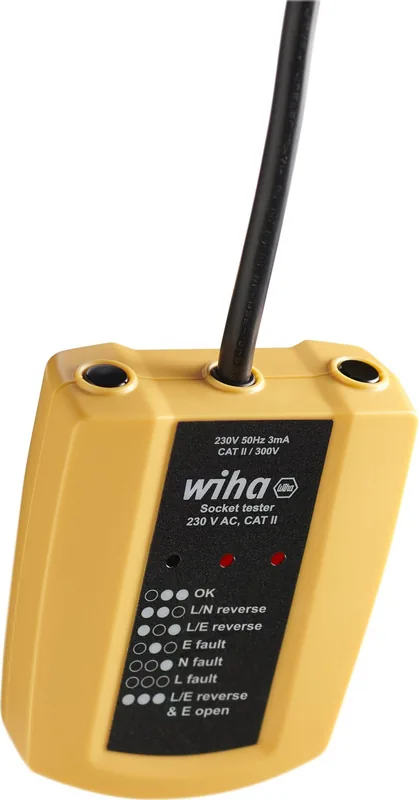
129 Pages
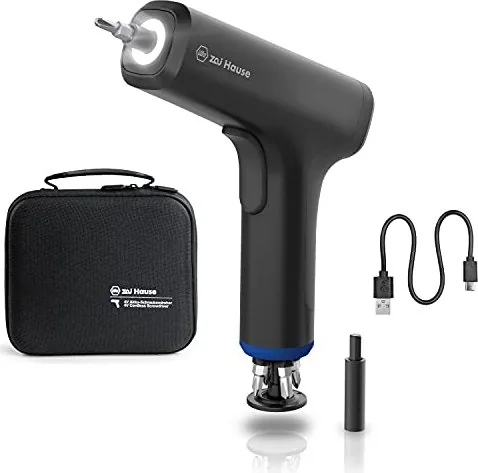
44 Pages

40 Pages
32 Pages
4 Pages
1 Pages
Categories

Free Wiha Manuals - Read, Download & Print
Find Wiha Product Manuals in One Convenient Place
Looking for a Wiha manual for a hand tool, torque tool, electrical instrument, bit set, insulated screwdriver, or precision tool? This page is designed to help users locate clear product documentation that can be read online, downloaded for offline reference, or printed when a physical copy is more useful. Wiha manuals can provide valuable information about tool features, intended applications, safe operation, storage, maintenance, calibration, and technical specifications.
Whether you are a professional electrician, maintenance technician, mechanic, contractor, workshop manager, or home user, having the correct manual can make everyday work safer and more efficient. Product documentation is especially important for tools that include adjustable settings, measurement functions, insulation ratings, torque controls, interchangeable components, or specialized usage requirements.
Read Wiha Manuals Online
Reading a Wiha manual online is a practical option when you need a quick answer without saving files to your device. Online manuals can help you check operating instructions before beginning a task, confirm the correct setup for a tool, or review safety notices while working in a shop, garage, jobsite, or maintenance area.
Typical information found in a manual may include:
- Product identification and model details
- Safety warnings and intended-use guidance
- Tool diagrams and component names
- Operating instructions
- Adjustment and setup procedures
- Torque ranges and accuracy information
- Battery, charging, or electronic-function instructions where applicable
- Cleaning and storage recommendations
- Inspection and maintenance guidance
- Warranty and service information
Online reading can also be useful when comparing tools. By reviewing documentation, users may better understand which accessories are compatible, how a specific mechanism operates, and whether a product meets the requirements of a particular job.
Download Manuals for Offline Access
Downloading a Wiha manual allows you to keep important product information available even without an internet connection. This can be helpful for technicians who work at customer locations, in industrial environments, on construction sites, or in areas where reliable connectivity is limited.
A downloaded manual can be saved to a phone, tablet, laptop, or shared company device. Keeping documentation organized by model number makes it easier to find the right instructions later. For businesses, storing manuals in a digital maintenance folder may support training, tool tracking, safety planning, and routine inspection procedures.
Before downloading, verify that the document matches the exact product model. Tools with similar names or appearances can have different specifications, operating limits, or instructions. Check labels, packaging, product numbers, and revisions whenever possible. Using the correct manual is essential, particularly for torque tools, electrical tools, VDE-insulated products, and precision instruments.
Print Wiha Manuals for the Workshop or Jobsite
Printed manuals remain useful in many work environments. A paper copy can be placed near a tool cabinet, stored in a maintenance binder, included with a mobile service kit, or used as a reference during staff training. Printing selected pages can also be convenient when only a safety section, specification chart, adjustment procedure, or parts diagram is needed.
For best results, print manuals in a clear format and keep them protected from oil, moisture, dust, and damage. If the document includes diagrams or charts, color printing may improve readability. For frequently used tools, consider placing printed instructions in a labeled folder or plastic sleeve.
Printed documentation can be particularly valuable for:
- Shared workshop tools
- Team training sessions
- Equipment handover records
- Routine inspection checklists
- Field service vehicles
- Safety and compliance reference files
- Quick troubleshooting at the workbench
Why Product Manuals Matter
A tool manual is more than a basic instruction sheet. It can help users understand the intended purpose and limitations of a product. Proper use can reduce the risk of tool damage, inaccurate results, personal injury, and unnecessary downtime.
For example, torque tools often require specific handling, storage, and reset procedures to preserve accuracy. Insulated tools may carry safety requirements related to inspection, use conditions, and visible damage. Electronic or measurement-related products may need instructions for batteries, settings, calibration, environmental conditions, or error indicators. Precision drivers and delicate components may also require careful use to avoid stripping fasteners or damaging sensitive equipment.
Reviewing the manual before first use can help ensure that the tool is used correctly from the start. It is also a good idea to revisit documentation after long-term storage, before unusual applications, or whenever the product appears to operate differently than expected.
Common Wiha Tool Categories
Wiha is known for a broad selection of professional hand tools and related products. Manuals, instruction sheets, technical documents, and product information may vary depending on the category. Common product types include screwdrivers, insulated tools, pliers, cutters, nut drivers, hex keys, bits, bit holders, torque screwdrivers, torque wrenches, measuring tools, precision tools, and ESD-safe products.
Screwdrivers and Bit Systems
Documentation for screwdrivers and bit systems may explain compatible drive types, blade styles, bit retention, interchangeable components, and intended fastener applications. It may also include warnings about selecting the correct tip size and avoiding excessive force.
Torque Tools
Torque screwdriver and torque wrench documentation is especially important because correct torque contributes to consistent fastening and can help prevent overtightening or undertightening. Manuals may describe adjustment ranges, scale readings, accuracy limits, direction of operation, storage settings, calibration intervals, and use of accessories.
Insulated and Electrical Tools
For electrical work, users should always review the applicable safety instructions and confirm that a tool is suitable for the task. Documentation may include insulation information, inspection recommendations, temperature limits, warnings about damaged insulation, and guidance related to live-work applications. Follow local regulations, workplace procedures, and qualified-person requirements.
Precision and ESD Tools
Precision tools are often used for electronics, small assemblies, instrument work, and delicate fasteners. ESD-related documentation may provide handling information intended to support use around electrostatic-sensitive components. Proper tool selection and careful handling are essential in sensitive applications.
How to Identify the Correct Manual
The fastest way to find the right documentation is to start with the product number or model designation. This information may appear on the tool, handle, label, packaging, invoice, or product listing. Record the full identifier, including letters, numbers, size details, voltage ratings, or version codes.
When selecting a manual, compare the following details:
- Exact product number or model name
- Tool type and drive size
- Torque range or measurement range
- Insulation or electrical rating
- Included accessories
- Country or language version
- Publication date or revision number
- Product generation or design variation
If a manual does not appear to match the product exactly, do not rely on it for critical safety, adjustment, or technical information. Look for an official product page, manufacturer documentation, authorized distributor support, or qualified service assistance.
Safe Use, Care, and Maintenance
Always use hand tools according to their intended purpose. Inspect tools before use for cracks, wear, loose components, damaged insulation, bent shafts, worn tips, or contamination. Keep handles clean and dry, and avoid modifying tools unless the manufacturer specifically permits it.
Store tools in an organized case, cabinet, pouch, or drawer to prevent loss and accidental damage. Protect precision and torque tools from drops, extreme temperatures, moisture, and contamination. For insulated tools, remove damaged products from service and follow workplace safety procedures. Manuals may provide product-specific maintenance instructions that should take priority over general advice.
Keep Your Documentation Organized
Building a small manual library can save time and improve consistency. Create folders by tool category, product number, or department. Name downloaded files clearly, such as "Wiha torque screwdriver model number manual" or "Wiha insulated pliers safety instructions." For printed copies, use labeled binders and replace outdated versions when newer documentation becomes available.
Read, Download, and Print With Confidence
Free Wiha manuals and product documents can be a useful resource for anyone who wants to operate, maintain, and store tools responsibly. Read instructions online for quick reference, download files for offline access, and print important pages for the workshop or field. Always confirm that the documentation matches your exact product and follow current manufacturer guidance, applicable safety standards, and local workplace requirements.
Search for 67,706 Manuals online


Type-in Brand or Model