
Wagner Control Pro 250 R Manual
PDF manual · 144 Pages
English



Quick check
Incorrect answer, please try again.
Chat with your Wagner Control Pro 250 R manual using AI
Get instant AI answers from your Wagner Control Pro 250 R manual
Ask anything about the Wagner Control Pro 250 R. Answers come from this manual, with the pages they are based on.
Control Pro 250 R Maintenance Schedule
Thoroughly inspect the high-pressure hose before every use. Replace immediately if damaged to prevent injection injuries.
Clean the unit immediately after finishing work using water or suitable solvent. Remove and clean nozzle, gun filter, and suction filter.
Immerse inlet valve in conservation agent (e.g., household oil) and run pump briefly to preserve it during storage.
Wagner recommends replacing the high-pressure hose after 6 years due to increased risk of damage from aging.
Ask a Question
Do you recommend Control Pro 250 R?
Yes No
error17
6 months ago
Does this model come with all necessary accessories for immediate setup?
Frequently Asked Questions
It handles interior latex paints, dispersions, water-based and solvent-containing lacquers, glazes, oils, and anti-rust paints. It cannot process materials with abrasive components or strong acids.
Is this answer helpful?
Secure the gun trigger, turn the pressure regulator to zero, switch the selector to PRIME, then unlock the gun and pull the trigger over a container until fluid stops flowing.
Is this answer helpful?
No, the device should never be used to spray flammable substances or in environments where explosive gases or dusts may be present due to spark generation risks.
Is this answer helpful?
Wagner recommends replacing the high-pressure hose after six years of use to ensure safety and prevent leaks caused by wear and tear.
Is this answer helpful?
The maximum permissible operating pressure is 11 MPa, which equals 110 bar, as indicated on the device rating plate.
Is this answer helpful?
Yes, interior wall paints can be diluted by 0-10% and other materials like wood preservatives by 5-10%, but always follow manufacturer recommendations.
Is this answer helpful?
Advantages and Disadvantages
Advantages

- Handles both thick and thin coatings like latex paint and lacquers
- Includes HEA filter set to reduce nozzle clogging significantly
- Thermal release protection prevents motor damage from overheating
- Ideal for large interior and exterior surfaces due to high flow rate
- Intuitive controls with clear PRIME and SPRAY switch positions
Disadvantages

- Requires strict adherence to grounding protocols for safety
- High-pressure hoses must be replaced every six years for safety
- Not suitable for highly abrasive materials or acidic substances
- Maintenance requires careful cleaning to avoid warranty voids
- Can generate significant overspray if technique is not practiced
Product Specification
Power
550W
Flow Rate
1250ml/min
Color Cup
No
Features
Airless
Weight
15.65lbs
Package Contents
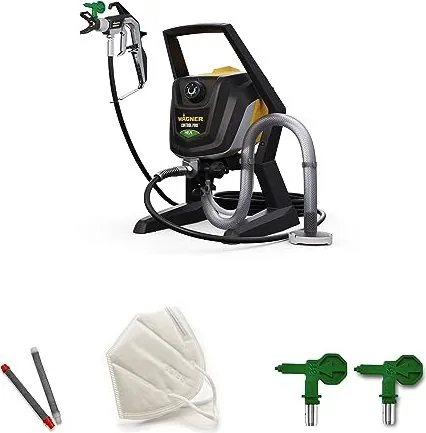
2x Nozzle Set, Hose (29.53ft)
Product Description
Unlock Professional Painting Results with the Wagner Airless Sprayer Control Pro 250 R
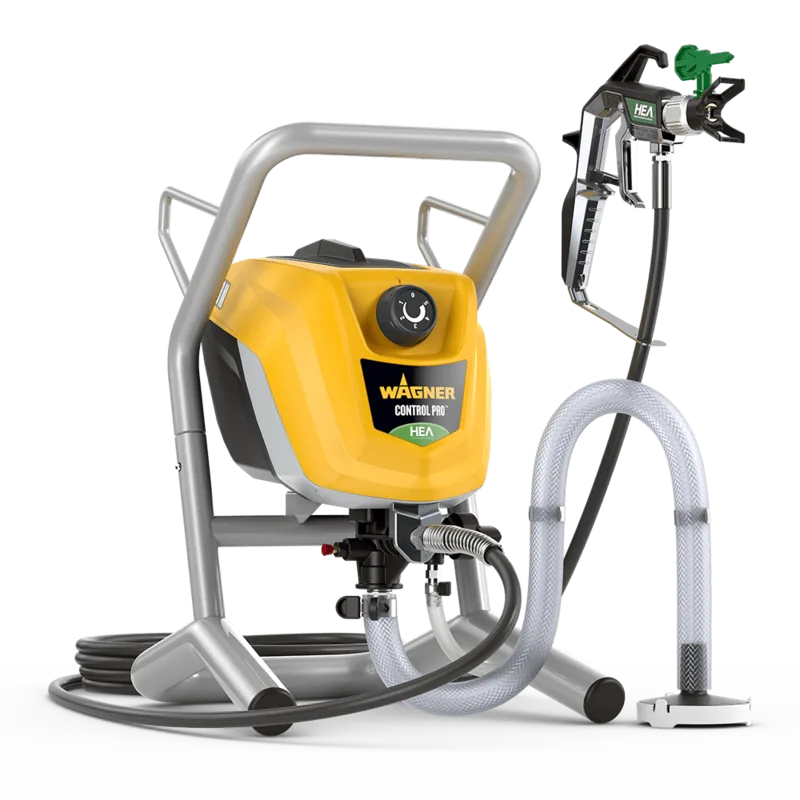
The Wagner Airless Sprayer Control Pro 250 R Electro Paint Spray System represents a significant leap forward in home improvement and professional finishing. Designed for users who demand efficiency and precision, this unit transforms the often tedious task of painting into a streamlined, high-performance experience. Whether you are tackling large interior walls, exterior fences, or intricate trim work, this sprayer delivers a smooth, even coat that brush and roller simply cannot match.
At the heart of the Control Pro 250 R is a powerful piston pump capable of handling a wide variety of materials. From thick interior latex paints and stains to thinner lacquers and oils, the system adapts seamlessly. The adjustable pressure regulator allows you to fine-tune the output based on the viscosity of your coating material, ensuring optimal atomization without overspray. This versatility makes it an ideal choice for renovators who need one machine to handle multiple projects throughout the year.
Safety is paramount when dealing with high-pressure equipment, and Wagner has integrated robust safety features into the design. The system includes a thermal release mechanism that automatically shuts down the unit if overheating occurs, preventing damage and ensuring user safety. Furthermore, the device requires proper grounding to mitigate electrostatic risks, a critical feature when working with solvent-based materials. The included HEA filter set helps minimize nozzle clogging, reducing downtime and maintenance frustration.
Operation is intuitive, featuring a simple selector switch to toggle between Prime mode for priming the system and Spray mode for actual application. The ergonomic carry handle and compact footprint make storage and transport easy, while the long high-pressure hose provides ample reach for covering large areas without constant repositioning. By combining durability, ease of use, and superior finish quality, the Wagner Control Pro 250 R stands out as a top-tier solution for anyone looking to achieve professional-grade results on their next painting project.
Search for 67,706 Manuals online


Type-in Brand or Model
Daniel Robinson
4 months ago
Is the Airless Wagner pump reliable and worth recommending for professional use?
Manual.ly
4 months ago
Yes, based on customer feedback, the Airless Wagner pump is highly recommended. Users describe it as a top-tier product with excellent performance and durability. It is suitable for professional applications and delivers consistent results.