
Testo 316-4 Manual
PDF manual · 22 Pages
English



Quick check
Incorrect answer, please try again.
Chat with your Testo 316-4 manual using AI
Get instant AI answers from your Testo 316-4 manual
Ask anything about the Testo 316-4. Answers come from this manual, with the pages they are based on.
Ask a Question
Do you recommend 316-4?
Yes NoFrequently Asked Questions
Approximately six hours at 22 degrees Celsius.
Is this answer helpful?
It detects R134a, R22, R404a, and ammonia depending on the specific sensor head installed on the unit.
Is this answer helpful?
Check plug connections or clean the sensor surface immediately.
Is this answer helpful?
Yes, down to -20 degrees Celsius but with limited functionality.
Is this answer helpful?
It usually indicates dirt accumulation requiring cleaning of the sensor surface.
Is this answer helpful?
No, it is a tool for leak detection, not protective equipment.
Is this answer helpful?
Yearly by an authorized service center is recommended.
Is this answer helpful?
Advantages and Disadvantages
Advantages

- Detects low threshold amounts of gas effectively for early identification.
- Exchangeable sensor heads allow adaptation for different refrigerant types.
- Visual and audible alerts provide immediate feedback during inspections.
- Extended battery life supports long shifts without frequent interruptions.
- Durable construction handles standard operating conditions well.
Disadvantages

- Sensor head becomes very hot after prolonged operation causing burns.
- Charging requires approximately eight hours for a full battery cycle.
- Sensor sensitivity decreases if exposed to oils and greasy substances.
- Limited functionality reduces accuracy when operating below negative five degrees.
- Requires annual professional servicing to maintain calibration standards.
Product Specification
Display
Yes
Weight
12.28 oz
Product Description
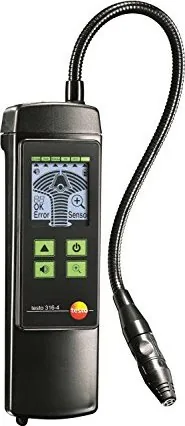
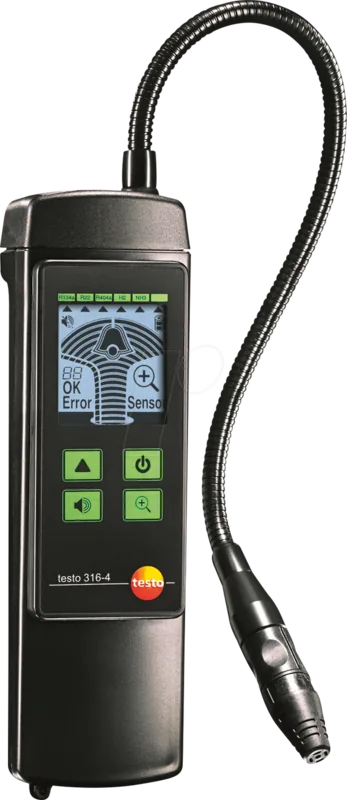
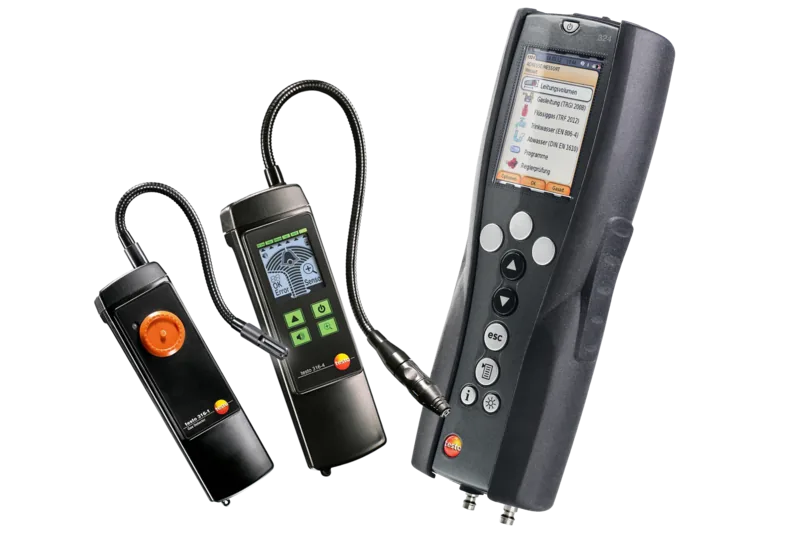
Testo 316-4 Set 1 Leak Detector Overview
The Testo 316-4 Set 1 Leak Detector stands out as a premier tool for refrigeration professionals. It ensures fast and reliable detection of refrigerant leaks on cooling systems and heat pumps. Gas concentrations are clearly indicated through optical and audible signals, making it easy to pinpoint issues quickly. The device features an exchangeable sensor head, allowing adaptation to specific requirements. One head covers standard refrigerants like R134a and R22, while another targets ammonia. This flexibility ensures comprehensive coverage for various HVAC applications. The low reaction threshold detects minute amounts of gas, ensuring early leak identification before significant loss occurs.
Performance and Safety Features
Operating within a range of -5 to 50 degrees Celsius, this unit maintains accuracy across standard conditions. The reaction time is under one second for immediate feedback. A rechargeable battery pack offers approximately six hours of continuous operation. Charging takes about eight hours using the original power unit. Safety is paramount. This device complies with relevant safety standards for industry use. The device warns of hot sensor heads after prolonged use. Users must avoid measuring near live electrical parts. Never store the instrument with acids or solvents. Environmental protection is included. Defective batteries and the product itself must be disposed of properly.
Usage and Maintenance
Before operation, initialize the device to allow the sensor to warm up. Enable the system to perform a self-test indicated by an ok light to ensure readiness. To locate a leak, move the sensor head slowly close to components. A continuous tone indicates high concentration. Cleaning involves wiping the housing with a damp cloth. The sensor surface requires gentle cleaning to prevent oil or grease buildup. Ensure the sensor is not contaminated before starting. Annual servicing by an authorized center is recommended. Regular checks ensure the instrument does not display false readings due to dirt.
Troubleshooting
Common issues include error codes for sensor defects. Checking plug connections often resolves communication faults. If the sensor blinks, it usually indicates dirt accumulation requiring cleaning. Users encountering persistent problems should contact customer service. Follow manufacturer guidelines to resolve code issues. This approach minimizes downtime during critical repairs.
Key Accessories
Completing the setup requires specific accessories to maintain efficiency. An earplug isolates sound for noisey environments during operation. Original chargers must be used to protect battery life and safety. Users should reference the Testo 316-4 Set 1 Leak Detector Manual for detailed troubleshooting. Proper care prevents sensor damage from non-desorbant substances. Always switch off and let cool before handling the probe tip. Using genuine parts ensures longevity. Keep spare parts organized for quick replacement when needed. Adhering to these protocols extends the tool useful lifespan significantly.
Search for 67,706 Manuals online


Type-in Brand or Model
Hans Muller
6 months ago
Does this product function correctly and comply with safety regulations despite the low price?
Manual.ly
6 months ago
Yes, user feedback confirms the product operates as intended and meets necessary compliance standards. Customers find it to be a good value for the money.