
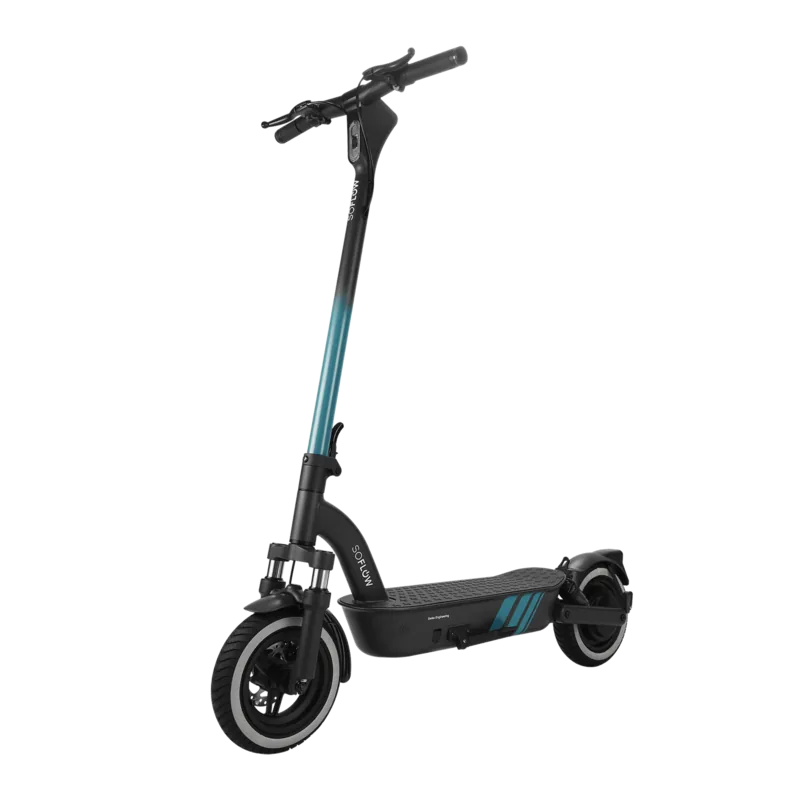
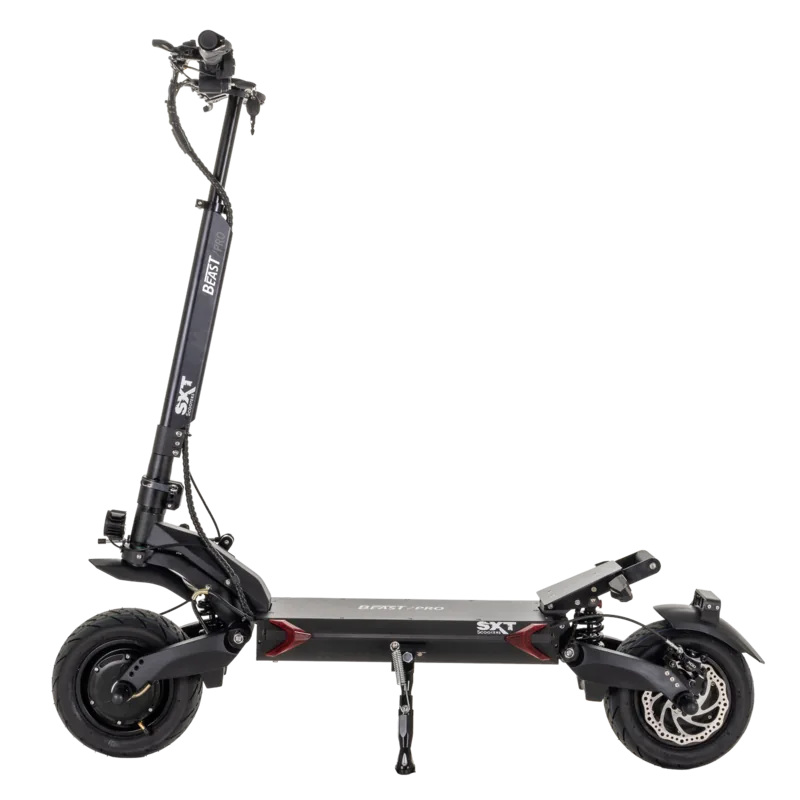
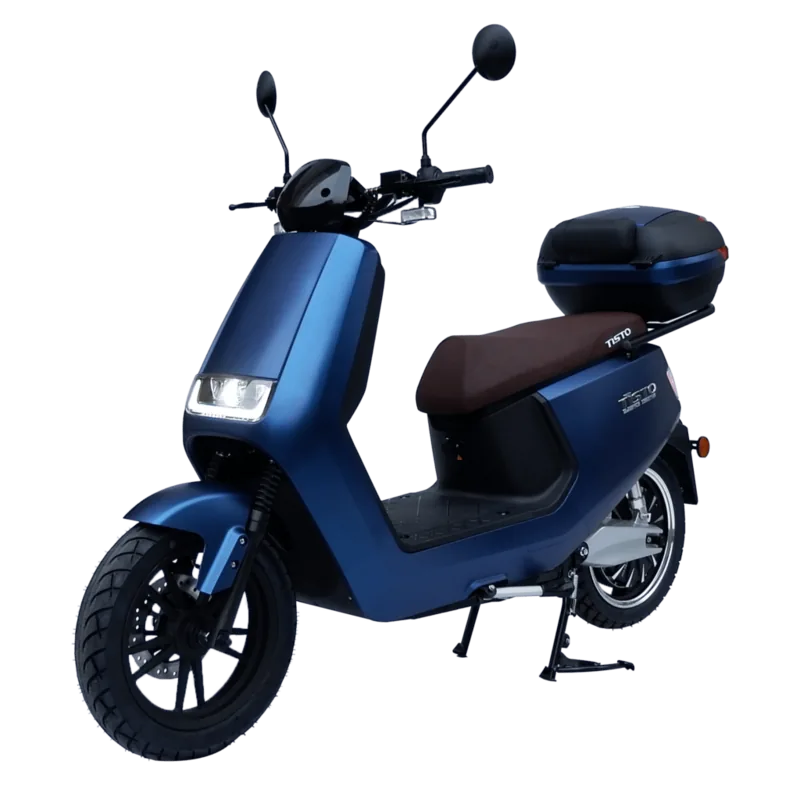
SXT 100 Manual
PDF manual · 18 Pages
English



Quick check
Incorrect answer, please try again.
Chat with your SXT 100 manual using AI
Get instant AI answers from your SXT 100 manual
Ask anything about the SXT 100. Answers come from this manual, with the pages they are based on.
100 Maintenance Schedule
Recharge the battery at least once a month if the scooter is not in regular use to prevent damage.
Check brakes for proper function and ensure they do not rub or drag.
Check for cracks or broken connections on the frame, fork, and handlebars regularly.
Periodically inspect wheels for excess wear and replace as required.
Regularly examine the charger cord, plug, and enclosure for damage before use.
Apply lubricant such as 3-in-1 or Tri-Flow to the chain if it appears dry.
Free maintenance reminders
Timed to your purchase date. Always free, unsubscribe anytime.
Ask a Question
Do you recommend 100?
Yes NoFrequently Asked Questions
You should charge the battery for fifteen hours before using it for the first time. Subsequent charges typically take up to twelve hours to ensure the battery remains healthy.
Is this answer helpful?
The maximum weight limit for the rider is strictly fifty kilograms. Exceeding this weight can cause motor overheating or mechanical failure.
Is this answer helpful?
Yes, you must wear a certified helmet with a chin strap, knee and elbow pads, and lace-up shoes with rubber soles at all times.
Is this answer helpful?
No, you should not ride at night or when visibility is poor. The manual warns that riding at night is dangerous due to low visibility.
Is this answer helpful?
Charge the battery at least once a month if not in use. Avoid charging it for excessive times and keep it within the recommended temperature range.
Is this answer helpful?
Assembly takes approximately twenty minutes. The scooter is 95% preassembled, so you only need to attach the handlebar and secure the fold mechanism.
Is this answer helpful?
Check the circuit breaker located near the switch. If it tripped, reset it after the motor cools down. Also ensure the battery is charged and cables are connected.
Is this answer helpful?
Advantages and Disadvantages
Advantages

- Soft start function prevents sudden acceleration and falls during operation.
- Folding design allows for compact storage in small apartments or vehicles easily.
- Safety cut-off switch stops motor immediately when brakes are applied effectively.
- Preassembled 95% saves significant time during initial setup process.
- Built-in overcharge protection safeguards the battery from damage during use.
Disadvantages

- Short battery runtime of approximately forty minutes limits travel distance.
- Long charging time of twelve hours is required for effective battery life.
- Strict weight limit of fifty kilograms restricts rider eligibility significantly.
- Night riding is prohibited due to visibility issues on the road.
- Battery contains lead acid requiring special disposal instead of trash.
Product Specification
Type
Electric Scooter
Colors
Blue
Motor Power
100W
Range
up to 4.97 miles
Max Speed
6.21 mph
Rear Brake
Foot brake
Dimensions
37.01x7.87x37.80 in
Handle Height
37.01 in
Max User Weight
110.23 lbs
Tire Type
Solid
Tire Diameter
8 in
Suspension
None
Weight
26.46 lbs
Special Features
Foldable, Front fender, Kids scooter
Product Description
Introduction to Urban Commuting
Urban commuting has evolved significantly with electric devices like the SXT 100 E-Scooter blue. This compact vehicle is designed for efficiency in city environments. However, operating this machine requires strict safety knowledge. Reading the SXT 100 E-Scooter blue Manual is the first step. This documentation contains critical safety warnings to prevent injury. It outlines how to assemble the unit within twenty minutes.
Assembly and Setup
The scooter arrives ninety-five percent preassembled. You need to attach the handlebar and fold down the kickstand. Once set up, the folding mechanism allows easy storage indoors. The blue finish looks stylish and stands out visually. Performance varies by usage conditions and rider behavior. The maximum rider weight is strictly fifty kilograms. Exceeding this limit causes motor overheating or frame failure. The battery provides approximately forty minutes of runtime on a full charge. Initial charging takes twelve hours to ensure longevity for the battery.
Safety and Performance
A new battery needs fifteen hours before the first operation. Overcharging is protected by built-in safeguards on the charger unit. If lights do not work, check the power outlet connections. Plug the charger into the port. Safety gear is paramount for all riders regardless of experience level. The soft start function activates only after kicking the scooter forward. This ensures gradual acceleration to prevent sudden falls. You must wear protective gear at all times.
Maintenance and Usage
A certified helmet is legally required in many regions. Knee and elbow pads reduce injury severity during falls. Gloves improve grip and protect hands. Use them to protect skin. Footwear must include laced athletic shoes with rubber soles. Never wear sandals while driving this vehicle due to lack of protection. Maintenance involves checks on tires and chain tension regularly. Inspect tires for pressure loss that happens during shipping. Tighten the chain tension regularly to prevent slipping.
Legal and Safety Guidelines
Clean the unit without liquids near electrical components to avoid shorts. The battery contains lead and must be recycled responsibly. If problems occur, check the circuit breaker for trips. Reset it if it trips due to overload conditions. Find a local recycling center. Riding conditions matter greatly for accident prevention always. Avoid wet or icy surfaces to prevent damage to electrical parts. Riding at night is dangerous due to low visibility. Always check local traffic laws.
Search for 67,706 Manuals online


Type-in Brand or Model
Julia Weber
6 months ago
What is the recommended charging schedule for the battery when the scooter is not in use?
Manual.ly
6 months ago
The manufacturer recommends charging the battery once a month when the scooter is stored for an extended period to maintain optimal performance. This prevents deep discharge and ensures the battery remains healthy over time. If you use it regularly, charge as needed after each ride.