
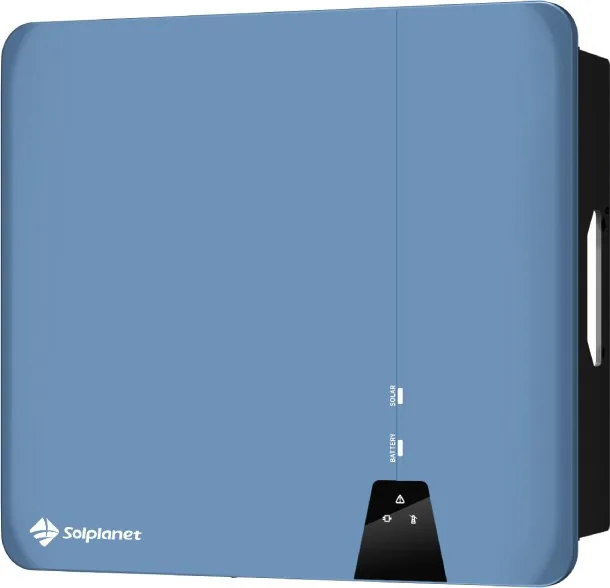
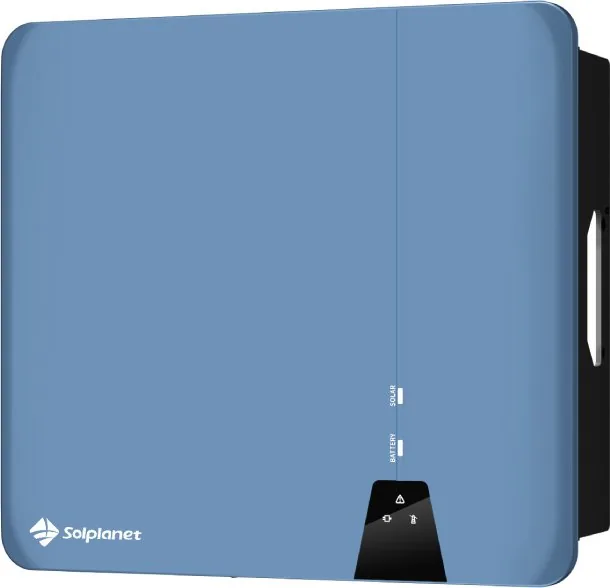
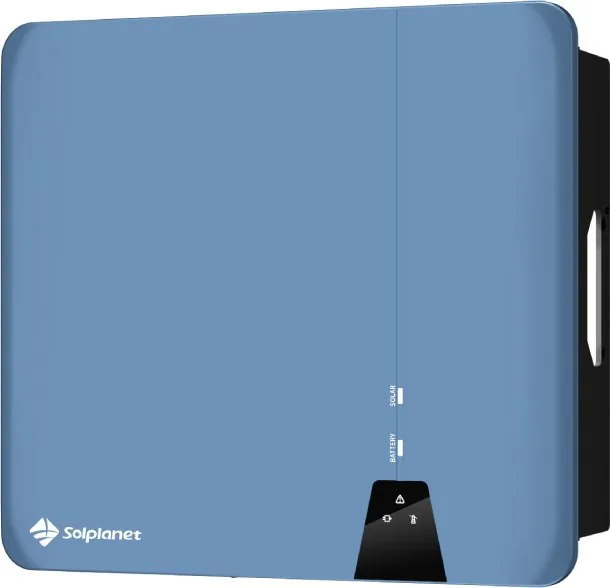
Solplanet ASW H-S2 Manual
PDF manual · 88 Pages
English



Quick check
Incorrect answer, please try again.
Chat with your Solplanet ASW H-S2 manual using AI
Get instant AI answers from your Solplanet ASW H-S2 manual
Ask anything about the Solplanet ASW H-S2. Answers come from this manual, with the pages they are based on.
Ask a Question
Do you recommend ASW H-S2?
Yes NoFrequently Asked Questions
The ASW H-S2 series is a single-phase hybrid inverter that converts PV DC power to AC, manages battery charging/discharging, optimizes self-consumption with an integrated EMS and provides EPS backup power during grid outages.
Is this answer helpful?
Only lithium battery packs approved or released by AISWEI (check the Solplanet documentation and app for supported models). Lead-acid batteries are explicitly not allowed.
Is this answer helpful?
Installations must be by qualified electricians. The inverter includes residual-current monitoring, grounding conductor monitoring, instructions for a second protective grounding connection and guidance to meet IEC and local safety standards; installers must follow torque specs and wiring sequences.
Is this answer helpful?
Four modes: Self-Consumption (PV supplies load, charges battery, excess to grid), Backup (battery reserved for outages), Force Time Use (user-scheduled charge/discharge periods), and Off-Grid (inverter runs independently of the grid). Mode changes require proper configuration and safe startup.
Is this answer helpful?
Use the built-in Wi‑Fi and the Solplanet mobile app (Android/iOS) or cloud portal to configure settings like battery model, safety code, smart meter parameters, view LEDs and event messages, and perform firmware updates.
Is this answer helpful?
Periodic visual inspections of cables and seals, clean the heat sink and enclosure, seal unused DC inputs, and cycle the DC switch contacts annually. Disconnect all power sources before maintenance.
Is this answer helpful?
Verify correct AC/EPS wiring, ensure grid voltage/frequency are within limits, set the region safety code in the app (e.g., Australia regions A/B/C), confirm battery and PV voltages and polarities, and follow the specified startup sequence.
Is this answer helpful?
Advantages and Disadvantages
Advantages

- Hybrid functionality: integrates PV, battery and grid with EPS backup for reliable off-grid support.
- High efficiency: peak inverter efficiency around 96.8% and MPPT efficiency ~99.9%.
- Comprehensive safety: residual-current monitoring, grounding checks, islanding protection and earth-fault alarm (regional).
- Flexible communications: Wi‑Fi, RS485, BMS/CAN, smart meter and DRED for monitoring and demand-response.
- Robust installation features: IP66 rating, wall bracket, clear wiring guidance and tooling/torque specifications.
Disadvantages

- Requires qualified electricians for installation and commissioning; not DIY-friendly.
- Battery compatibility limited to AISWEI-approved lithium packs only.
- Power derating occurs at high ambient temperatures and high altitudes (>3000 m requires derating).
- Complex wiring: multiple dedicated ports and correct neutral/EPS wiring required for regional compliance.
- Relatively heavy (~21.5 kg) which may complicate mounting without two-person handling.
Product Specification
Note
Prices partially include 0%-VAT tax rates for AT and DE
Type
Hybrid inverter, transformerless, passive
Input voltage
40-580V Direct Current (DC)
Max. input current
16A
MPP voltage range
40-530V Direct Current (DC)
Number of MPP trackers
2
Output phases
1-phase
Efficiency
97.6% max., 97.0% ηEU
Input
MC4
Output
Terminals
Interfaces
Wi-Fi 4 (WLAN 802.11b/g/n), LTE, 2x RS-485
Noise level
<30dB
Protection class
IP66
Ambient temperature
-13°F to +140°F
Dimensions
19.45x16.54x7.68in (WxHxD)
Weight
47.63lb
Product Description
Solplanet ASW H-S2 — Hybrid Inverter Overview
The Solplanet ASW H-S2 series (ASW3000H-S2 to ASW6000H-S2) is a single-phase hybrid inverter designed to manage PV generation, battery storage and grid interaction for residential and small commercial systems. Combining PV MPPT inputs, integrated battery charging/discharging, EPS backup output and onboard Energy Management System (EMS), the ASW H-S2 line optimizes self-consumption, provides backup power during outages and supports configurable operation modes via the Solplanet app and local communications.
Solplanet built the ASW H-S2 family for flexible installations: two independent MPP trackers, support for approved lithium battery packs, integrated Wi‑Fi monitoring and multiple communication ports (BMS/CAN, RS485, DRED, smart meter). The inverters include safety features such as residual-current monitoring, grounding conductor monitoring, islanding protection, and earth fault alarm (regional), plus comprehensive labeling and installation guidance for compliance with local codes like AS/NZS 4777.2.
Installation and commissioning emphasize qualified electricians, correct AC/EPS wiring, proper DC connector assembly, battery terminal installation and secure mounting with a supplied wall bracket. The units are rated for indoor/outdoor use (IP66) with convection cooling, low-noise operation and an operating temperature range from -25°C to +60°C. Detailed procedures cover AC/EPS connections, DC string requirements, grounding and an ordered shutdown sequence to safely disconnect all voltage sources.
Operational modes include Self-Consumption (PV first, then battery, then grid), Backup (battery reserved for outages), Forced Time Use (user-scheduled charge/discharge windows) and Off‑grid. The inverter automatically manages power flow based on mode, PV availability and battery SOC; it also implements thermal power reduction when ambient temperatures rise. Efficiency tops near 96.8% with MPPT efficiency ≈99.9% and night standby consumption below 10 W.
The ASW H-S2 provides clear LED status indicators for PV, battery, grid, EPS and errors; the Solplanet mobile app or cloud tools enable monitoring, firmware updates and configuration (meter setup, safety code selection, battery model). Comprehensive technical data include PV input limits, battery voltage range, rated AC output, EPS peak capacity, communication interfaces and tooling/torque guidance for installers.
Notes:
- Only AISWEI/approved battery packs and compatible smart meters should be used.
- Follow local grid codes and set the correct regional safety code through the app before grid connection.
- Regular maintenance: inspect cables, clean heat sink and cycle DC switch contacts annually.
Search for 67,706 Manuals online


Type-in Brand or Model