
Shimano PD-M324 Pedals Manual
PDF manual · 4 Pages
English


Advantages and Disadvantages
Advantages

- Dual-sided design: SPD engagement on one side and flat platform on the other for versatility.
- Accepts multiple Shimano cleat types (single and multi-release) to suit rider preference.
- Adjustable spring tension and cleat position for personalized fit and improved safety.
- Durable construction with simple maintenance: waterproof seal and replaceable cleats.
- Affordable, user-friendly option for commuters and recreational cyclists.
Disadvantages

- Multi-release cleats can disengage unexpectedly if not properly understood and adjusted.
- Requires practice to master engagement and release; not ideal for beginners who won’t train.
- Some installations or full disassembly may need professional assistance.
- Cleat wear leads to unpredictable release if not inspected and replaced regularly.
- Proper mounting needs a 15 mm spanner; 6 mm Allen key is insufficient for pedal mounting.
Ask a Question
Frequently Asked Questions
PD-M324 accepts Shimano cleats SM-SH51, SM-SH52 (single-release) and SM-SH55, SM-SH56 (multi-release). Choose single-release for predictable retention or multi-release for easier, multi-directional disengagement, and practice whichever you select.
Is this answer helpful?
Use a 15 mm spanner to mount pedals: right pedal has right-hand thread, left pedal has left-hand thread. Tightening torque for mounting is 5–6 N·m (43–52 in·lbs). Always confirm threads and torque to avoid loosening while riding.
Is this answer helpful?
Position cleats within a 20 mm fore-aft and 5 mm lateral range. Provisionally tighten mounting bolts, practice clipping in/out, refine position, then torque bolts with a 4 mm Allen key. Adjust spring tension via the under-plate adjustment screws and equalize left/right using tension indicators.
Is this answer helpful?
Replace cleats when release becomes difficult or noticeably easier than new (indicating wear). Keep cleats and bindings free of dirt, inspect regularly, and retighten mounting bolts periodically. Use genuine Shimano replacement parts and recommended lubricants for best performance.
Is this answer helpful?
No. Multi-release cleats may disengage with upward forces; avoid using PD-M324 with styles that involve pulling up or jumping. Use single-release cleats if you need more secure retention and always practice release technique first.
Is this answer helpful?
Yes, these pedals can be fitted with toe clips, but toe clips must be removed when using the pedals as SPD. The PD-M324 is dual-faced (SPD and standard), so configuration depends on your riding needs.
Is this answer helpful?
You need a 15 mm spanner for mounting pedals to crank arms and a 4 mm Allen key to tighten cleat mounting bolts. Do not rely on a 6 mm Allen key for pedal mounting; it cannot achieve sufficient tightening torque.
Is this answer helpful?
Product Description

Shimano PD-M324 Pedals Manual
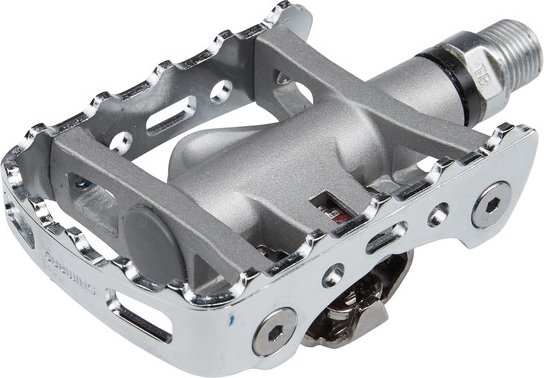
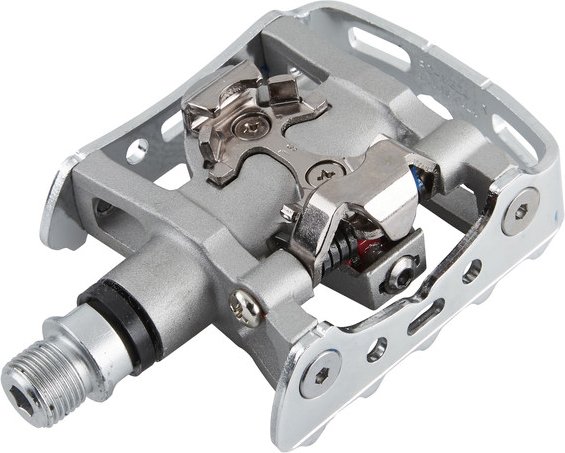
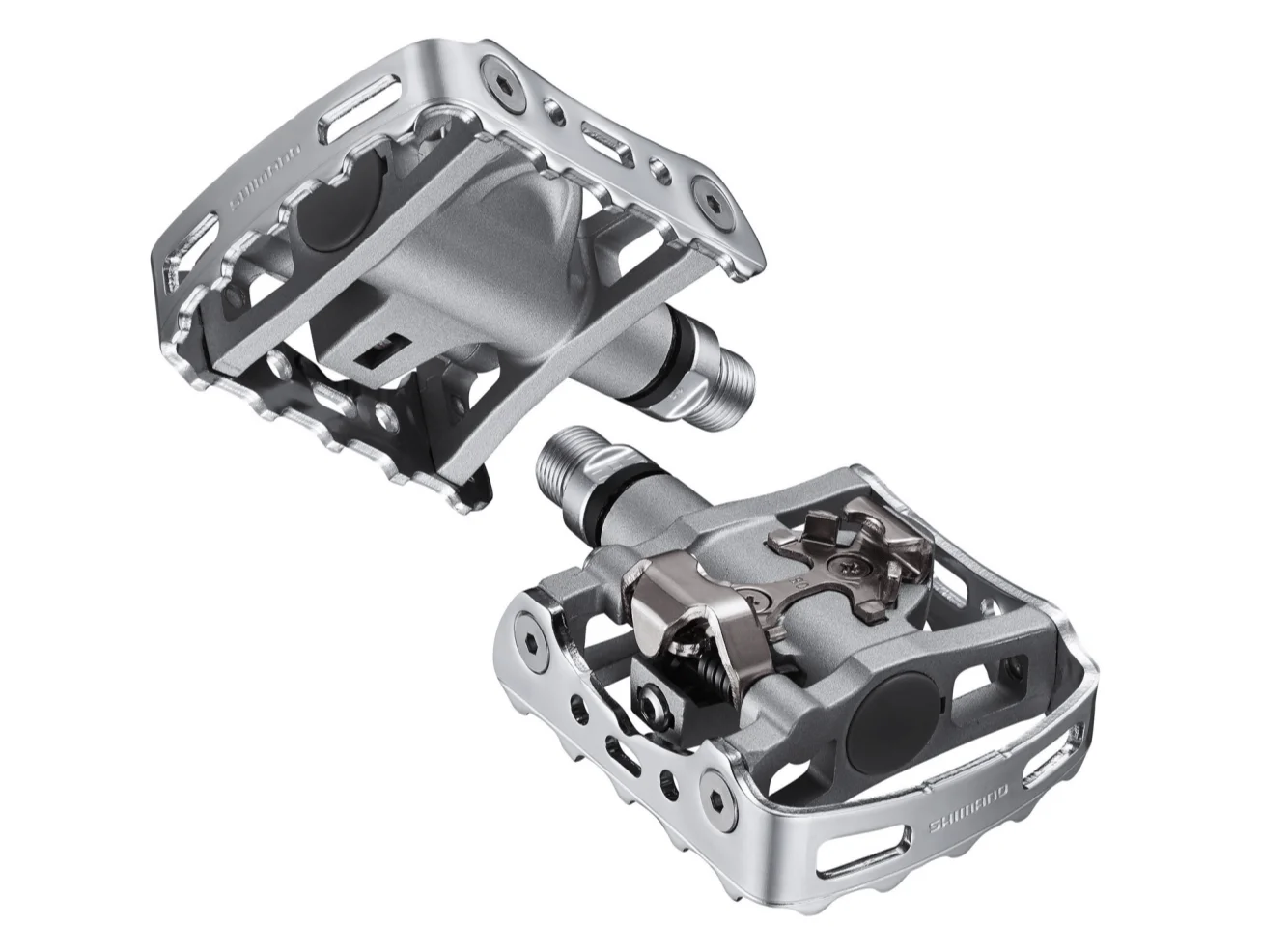
The Shimano PD-M324 pedals blend practical durability with reliable SPD performance for recreational riders and commuters. These dual-sided pedals feature an SPD engagement surface on one side and a flat platform on the other, offering versatility for cyclists who switch between clipped-in performance and casual riding. The PD-M324 emphasizes user safety, adjustability and ease of maintenance while remaining affordable and straightforward to use.
Design and Features
Constructed with a robust body and a standard threaded spindle (right pedal right-hand thread, left pedal left-hand thread), the PD-M324 accepts Shimano cleats (SM-SH51/SM-SH52/SM-SH55/SM-SH56) and can be fitted with optional toe clips when not used as SPD. Use a 15 mm spanner to mount the pedals and observe the specified tightening torque (5–6 N·m). A waterproof seal is provided for compatible shoes and simple maintenance steps are included for installing cleats and seals.
Cleat selection matters: single-release cleats (SM-SH51/SM-SH52) release only with an outward heel twist, while multi-release cleats (SM-SH55/SM-SH56) allow release in multiple directions and by heel lift. Each cleat type has trade-offs—single-release offers more predictable retention, multi-release offers easier disengagement but can release unintentionally if not understood and adjusted correctly.
Safety and Adjustment
Safety is a core focus. The manual stresses practicing engagement and release before riding, testing on level ground, and adjusting spring tension to suit riding conditions. Keep cleats, bindings and pedals clean and inspect for wear regularly—worn cleats should be replaced to avoid unpredictable release. Use Shimano genuine replacement parts and recommended lubricants for optimal performance.
Cleat position is adjustable: up to 20 mm fore-aft and 5 mm lateral movement. Provisionally tighten cleat bolts, practice clipping in/out, refine position, then torque the bolts securely with a 4 mm Allen key. Spring tension is adjusted with set screws under each binding; equalize tension between left and right using the indicators and countable turns.
Maintenance Tips
- Remove rubber covers to access cleat mounting holes.
- Replace cleats when release becomes difficult or noticeably loose compared to new.
- Use the correct tools: 15 mm spanner for mounting pedals, 4 mm Allen key for cleat bolts.
- Ensure reflectors are fitted and clean for night riding.
Notes:
- Practice release repeatedly until natural and confident.
- Do not use multi-release cleats for riding styles involving upward pulling or jumping.
- If adjusting requires full disassembly (removal of spring plate bolt), consult a professional dealer.
Search for 370 Manuals online


Type-in Brand or Model