
Shimano Manuals
Manuals
Categories

Shimano Manuals: The Complete Guide to Finding, Using, and Understanding Your Shimano Documentation
Introduction
Shimano manuals are the definitive reference for installing, adjusting, maintaining, and troubleshooting Shimano bicycle components. Whether you’re setting up a new road groupset, tuning a mountain bike drivetrain, bleeding hydraulic disc brakes, or configuring Di2 electronic shifting, the official manuals provide precise specifications, torque values, compatibility charts, service intervals, and step-by-step procedures. This guide explains what Shimano manuals include, how they’re organized, where to find them, how to choose the correct document for your component, and how to use them safely and effectively.
Types of Shimano Manuals
Dealer’s Manuals (DM)
- Audience: Mechanics and advanced enthusiasts
- Content: Installation steps, torque specs, alignment procedures, detailed exploded diagrams, and service notes
- Use cases: New component installation, overhauls, complex adjustments, and troubleshooting
User’s Manuals (UM)
- Audience: Everyday riders
- Content: Basic operation, routine adjustments, safety notices, care instructions
- Use cases: Setup confirmation, quick adjustments, operational guidance
Service Instructions (SI)
- Audience: Technicians and experienced home mechanics
- Content: Specific procedures such as brake bleeding, firmware updates, indexing steps, chain length setting, or derailleur adjustment
- Use cases: Component-specific tasks requiring exact steps and tools
Exploded View (EV) Sheets and Parts Lists
- Audience: Parts managers, mechanics
- Content: Component diagrams with part numbers, small-part kits, rebuild items
- Use cases: Ordering replacements, identifying small hardware, verifying assembly order
Finding the Right Manual
Identify Your Component Model
- Look for the exact model code stamped on the component (e.g., RD-R8150, BR-M7100, ST-R7020)
- Note the series (e.g., 105 R7000, Ultegra R8100, Deore M6100) to confirm compatibility
Search Official Sources
- Shimano’s official support or manuals portal
- Regional Shimano sites for language-specific versions
- OEM partner sites for e-bike systems using Shimano drive units
Filter by Category
- Road, Gravel, MTB, Trekking, E-Bike, Track, Urban
- Drivetrain, Brakes, Wheels, Pedals, Cockpit, E-Tube/Di2
Verify Document Type and Version
- Prefer the latest revision for updated specs and procedures
- Check the document code and revision date
What’s Inside Shimano Manuals
Safety and Warnings
- Mandatory warnings regarding installation and operation
- Critical torque specifications and material compatibility
- Notes on chemical products (greases, threadlockers, brake fluid)
Tools and Materials
- Required and optional tools: torque wrenches, bleed kits, cable cutters, alignment gauges
- Consumables: mineral oil, lubricants, grease, housing, bleed blocks, olives/inserts
Specifications
- Torque values, cable pull ratios, pad compatibility, rotor sizes
- Chainline and Q-factor details, gear capacity, maximum sprocket size
- Brake mount standards, rotor thickness, pad compounds
Procedures
- Sequential steps with diagrams and callouts
- Pre-checks, setup, adjustment, testing, and final inspection
- Troubleshooting cues and symptom-based corrections
Compatibility Notes
- Cross-series component compatibility limits
- Firmware requirements for Di2 and E-Tube ecosystems
- Wheel, rotor, pad, and cassette interoperability
Using Shimano Manuals Effectively
Preparation
- Gather exact model numbers and relevant series information
- Prepare tools and consumables before starting
- Read the entire procedure once to anticipate steps
Following Steps Precisely
- Use torque specifications; avoid guesswork
- Observe orientation and clearance diagrams carefully
- Perform post-installation safety checks
Recording and Maintenance Logging
- Note torque applied, part numbers used, and service dates
- Track firmware versions and changes for electronic systems
Common Manual Categories and Key Tasks
Drivetrain and Shifting
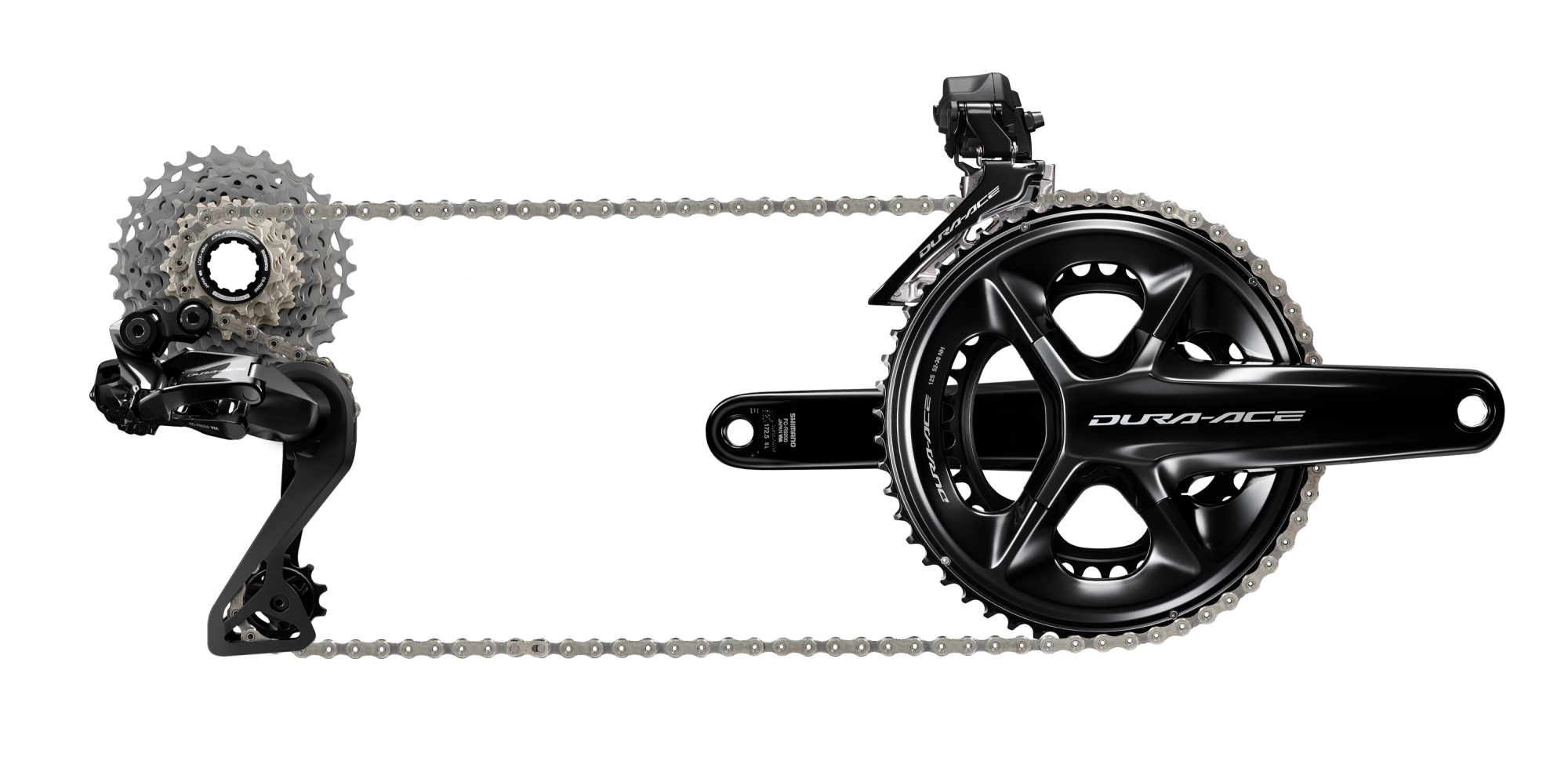
- Rear/Front Derailleurs: Limit screws, B-tension, chain length, cable tension or Di2 micro-adjustment
- Cassettes and Chains: Installation direction, quick-link handling, wear limits
- Cranksets and Bottom Brackets: Preload adjustment, spindle interface, thread standards
Braking Systems
- Hydraulic Disc: Bleeding procedures, rotor/pad compatibility, bedding-in process
- Mechanical Disc/Rim: Cable routing, pad clearance, lever throw, housing friction management
Wheels and Hubs
- Freehub service, bearing preload, axle standards, rotor mounting (Center Lock vs 6-bolt)
- Rim tape, tubeless setup, spoke tension guidance
Cockpit and Controls
- STI/MTB levers: Reach adjust, contact point, hose/cable routing
- Dropper levers and integration with drivetrain controls
Electronic Systems (Di2 and E-Tube)
- Connection topology, junctions, batteries, charging
- Firmware updates with E-Tube Project apps
- Shift mapping, multi-shift, synchronization settings
E-Bike Systems
- Drive unit firmware, display configuration, assist modes
- Battery care, charging, and storage guidelines
Tips for Accuracy and Safety
Torque Discipline
- Always use a calibrated torque wrench within the specified range
- Retorque after initial rides if the manual recommends
Cleanliness and Contamination Control
- Keep brake components free of oil and grease
- Use clean syringes and hoses for bleeding
Cable and Hose Management
- Maintain smooth radii; avoid sharp bends and kinks
- Trim to correct length to minimize friction and weight
Thread Preparation
- Follow the manual’s instruction on grease vs threadlocker
- Use anti-seize on dissimilar metals where specified
Test Rides and Re-Checks
- Verify shifting under load and braking power in a safe area
Troubleshooting With Manuals
Symptom-Based Flow
- Manuals often include checklists: noise, drag, poor shifting
- Follow the decision tree to isolate cable tension, alignment, or contamination issues
Tolerances and Wear Limits
- Compare measurements to stated limits: chain stretch, rotor thickness, pad wear
Firmware and Diagnostics
- For Di2, use E-Tube diagnostics to identify faults and update firmware per manual steps
Document Management
Version Control
- Save PDFs with model and revision date
- Replace outdated procedures when new revisions appear
Parts Ordering
- Use EV sheets to capture exact part numbers
- Cross-check availability and superseded parts
Frequently Overlooked Details
Chain Length and B-Tension
- Correct chain length and B-gap are essential for accurate shifting
Rotor Bolts and Lockrings
- Follow thread treatment and torque; re-check after bedding-in
Pad Bed-In Procedures
- Perform the required cycles for optimal braking power
Preload Adjusters
- Set crank and hub preload correctly to prevent play or drag
When to Seek Professional Help
Complex Installations
- Internal routing, fully integrated cockpits, press-fit bottom brackets
Hydraulic and Electronic Systems
- Brake bleeds and Di2 wiring require precision and the correct tools
Sustainability and Care
Prolonging Component Life
- Regular service per manual intervals reduces wear and costs
Safe Disposal and Recycling
- Follow guidelines for batteries, fluids, and worn parts
Quick Reference Workflow
Step 1: Identify
- Model code, series, and component category
Step 2: Locate
- Official Shimano manual in your language and latest revision
Step 3: Prepare
- Tools, parts, consumables, workspace
Step 4: Execute
- Follow steps, respect torque, verify clearances
Step 5: Validate
- Function checks, test ride, log details
Conclusion
Shimano manuals are essential for correct installation, reliable performance, and safe operation of bicycle components. By selecting the exact document for your model, following procedures as written, and observing torque, compatibility, and maintenance intervals, you can achieve professional results at home or in the workshop. With clear diagrams, precise specifications, and structured instructions, these manuals transform complex systems—mechanical, hydraulic, and electronic—into manageable tasks, ensuring your bike runs smoothly, safely, and efficiently.
Search for 1 Mio. Manuals online


Type-in Brand or Model