

Free seca Manuals – Read, Download & Print
9 Manuals
Manuals
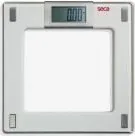
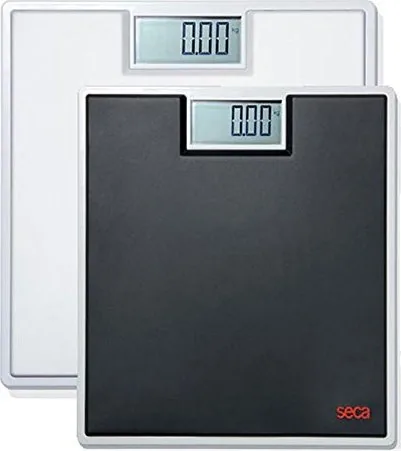
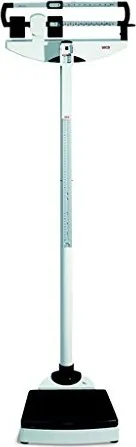

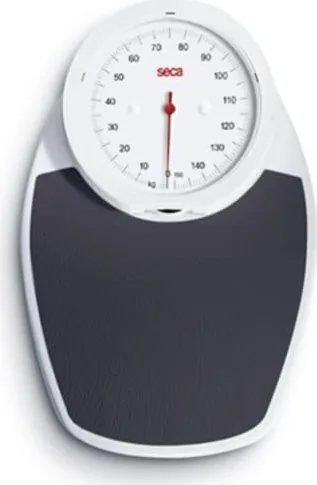


Categories

Comprehensive Guide to SECA Manuals
Introduction to SECA Manuals
SECA represents a leading global manufacturer in the field of medical measuring technology. Their extensive product range includes precision weighing scales, body composition analyzers, and height measuring devices designed for clinical and home settings. Manuals for SECA devices are essential documentation provided to ensure users operate the equipment correctly and safely. These documents contain critical information regarding setup, operation, maintenance, and troubleshooting. Accessing the correct manual for a specific device model is crucial for maintaining accuracy and compliance with medical standards.
SECA has been a trusted name in the healthcare industry for decades. Their devices are known for high performance and reliability. However, to utilize these machines to their fullest potential, users must understand the accompanying documentation. This guide provides an overview of what SECA Manuals are, how to find them, and why they are vital for daily operations in medical facilities. By following the instructions contained within these files, organizations can extend the lifespan of their equipment and ensure the safety of their patients.
Why SECA Manuals Are Important
Medical devices require precise calibration and handling to function as intended. The manuals outline the specific procedures that prevent damage to the equipment and ensure patient safety. They serve as the primary reference for healthcare professionals who need to verify device specifications before every use. Furthermore, these guides are often required for regulatory compliance during medical audits. Health inspection teams may require proof that all equipment was operated according to the manufacturer guidelines.
Ignoring the instructions can lead to erroneous readings which might affect patient care outcomes. For instance, an uncalibrated scale could lead to incorrect medication dosages based on weight. Inaccurate measurements can also mask the progress of a patient undergoing a weight loss or gain program. Therefore, downloading and reading the manual before use is a standard safety protocol in clinical environments. It empowers staff to troubleshoot minor issues without waiting for technical support, reducing downtime.
How to Access SECA User Guides
Users can find these files on the official SECA website. The support section typically hosts a vast library of documentation. Visitors can search by product ID or category to locate the specific document they need. Each product page often includes a link to the product flyer, the instruction leaflet, and the detailed service manual. Some newer devices also feature QR codes on the equipment itself that provide direct access to digital versions of the guide. This ensures that the information is always up to date and accessible regardless of location.
If the website is inaccessible, users should contact SECA support directly for a direct link. Email support or phone hotlines are usually available to assist international customers. Some clinics maintain their own internal database of all current manuals for every device they own. This centralized storage helps ensure that the most recent versions are used. Digital copies are preferred over physical books as they are easier to search and less prone to damage or loss.
Types of SECA Documentation Available
The documentation varies based on the device complexity and intended use. Basic floor scales for home use come with a simplified guide focusing on quick setup. Clinical units often include a full compliance manual detailing every technical parameter. There are specific documents for calibration procedures which are usually reserved for certified technicians only. These service manuals contain internal schematics and software codes not meant for general public use.
The manuals often come in multiple languages to support international distribution. Users must select the language version that matches their region for accurate interpretation of safety warnings. Some software packages accompanying the scales also have separate configuration guides. These explain how to integrate the scale with hospital Information Systems. It is important to review all relevant documents to understand the full functionality of the hardware and the software it runs.
Understanding Device Specifications
Every manual begins with an overview of the technical specifications to inform the user. This section lists the maximum weight capacity and the minimum division or sensitivity of the scale. Users should verify these numbers against their needs to ensure the device is suitable for the patient population it serves. The operational temperature range is also specified to ensure the scale works correctly in different climates without drift.
Battery requirements are detailed here, including the type of cell and estimated life span under continuous use. Knowing these specs helps prevent overloading the device or using incompatible power sources. The dimensions of the device are also included to help with placement planning in tight clinic spaces. Understanding these technical details prevents premature wear and tear on the internal components. It also helps users estimate the maintenance intervals required to keep the device running optimally.
Installation and Setup Procedures
Proper installation is the first step in ensuring the device works correctly from day one. The manual provides a diagram for placing the unit on a stable, flat surface. It explains how to level the feet to ensure an accurate reading on uneven floors. For wireless models, the pairing process with the mobile app or data transmitter is explained in detail step by step. If the device is wall mounted, the specific anchor points and hardware are listed in the appendix.
Following the setup steps guarantees that the sensor is not subjected to vibration or strain during the initial measurement. Incorrect placement can result in drift or failure to zero out properly. Some models require a warm-up period before the first use to stabilize the display. The manual will indicate this requirement clearly. Proper handling during installation protects the load cell from shock damage. Ensuring a clean environment during setup prevents dust accumulation that could interfere with sensors.
Maintenance and Cleaning Regimens
Hygiene is vital in medical environments where these scales are frequently used by different patients. The manual instructs users on the approved cleaning agents allowed for the surfaces. Harsh chemicals like bleach can damage the display plastic or corrode the load cell over time. Users are told to use mild detergent and a damp cloth for regular wiping down. Water exposure should be avoided on electrical components to prevent short circuits.
For deep cleaning, removable parts like foot plates may be allowed according to the specific model instructions. The manual often suggests a cleaning schedule based on frequency of use in hospitals versus homes. Hospitals may require cleaning after every patient, while home units need weekly wiping. Regular cleaning helps maintain the condition of the sensors and the aesthetic appearance of the device. It also prevents the spread of infectious agents between users. Proper care ensures the device looks professional in clinical settings.
Calibration and Accuracy Verification
Accuracy is maintained through regular calibration processes as time passes. The manual explains how to perform a self-test or how to use a certified test weight correctly. Internal calibration is common in newer models, but external verification is necessary for older devices to meet standards. Authorized service providers must perform certain calibrations to keep the warranty valid for the equipment.
The frequency of this task depends on the usage volume and legal requirements in the specific country. Deviating from the schedule can invalidate the measurement accuracy significantly. Records of these calibrations should be kept for audit purposes to prove compliance. The manual may include a checklist for maintenance logs. Keeping these logs up to date ensures that the next technician knows when the last service occurred. This continuity is essential for quality assurance in healthcare delivery.
Troubleshooting Common Errors
When a device fails, the manual is the first place to look for a solution. Error codes are defined in a table with suggested fixes for each alert message. For example, an E error indicates overloading the scale. An L error usually means the battery power is critically low. Connectivity issues with Bluetooth or Wi-Fi are addressed in a dedicated troubleshooting chapter of the document.
Resetting the device to factory settings is another solution provided for stuck screens. If physical damage is suspected, the manual advises against opening the casing due to safety hazards. Users are directed to contact technical support for repair services instead of self-repair. Understanding these basic fixes saves time and prevents unnecessary service calls for minor issues. It keeps the equipment available for patients without long delays.
Software and Connectivity Features
Modern medical scales connect to Electronic Health Records or patient management systems seamlessly. The manual details the network configuration for these integrations clearly. Users learn about the software drivers required for data transmission to computers. Security settings to protect sensitive patient data are explained in the configuration section. Updates to the firmware are managed through a USB drive or an online portal.
Keeping the software current ensures compatibility with newer operating systems like Windows or iOS. The documentation lists any compatibility warnings before an update is run. Some versions of the software allow for custom weight limits to be programmed for specific patient groups. This flexibility makes the device useful across different departments. The manual guides users through the process of backing up data before a system update.
Safety Warnings and Compliance
Safety warnings are highlighted in bold throughout the document to draw attention. These include electrical safety hazards and maximum load limits to prevent accidents. The device is not designed for patients with life support equipment attached without additional precautions. The manual confirms compliance with international standards for medical electrical equipment. It includes information on electromagnetic compatibility to prevent interference.
Users are advised on how to store the device safely when not in use. This section protects the user from liability and physical harm during operation. It also outlines what to do in case of a malfunction that causes a shock hazard. Following these guidelines is a legal requirement in many jurisdictions. Ignoring safety warnings can void the insurance coverage for the medical facility. Therefore, every user must read this section thoroughly.
Warranty and Service Information
The last sections of the manual cover warranty terms and conditions clearly. The duration of coverage varies by region and product line depending on the purchase agreement. Registration forms may be included to extend the warranty period for the buyer. Service centers are listed by geographic area to help locate repairs quickly. This ensures that the user knows where to go for professional assistance.
The manual often distinguishes between what is covered under warranty and what is considered normal wear and tear. Battery replacements are frequently not covered as they are consumables purchased frequently. The service section explains how to request a Return Merchandise Authorization. Having the serial number ready speeds up the process. Understanding these terms helps the user manage expectations regarding repair costs and timelines.
Conclusion
SECA manuals are comprehensive resources that enhance the longevity and utility of medical measuring tools. They empower users to maintain high standards of care and data accuracy in their facilities. Regular reference to these documents prevents common operational errors that could lead to patient harm. By following the guidelines provided in the text, healthcare providers ensure the safety of their patients and the reliability of their equipment.
Always verify the latest version of the manual to stay informed on any changes to the device operation. Technology evolves rapidly, and manufacturers update their instructions to reflect new best practices. Keeping your documentation current is an investment in quality care. This guide outlines the importance of these resources in the broader context of medical device management. Effective utilization of SECA tools begins with a thorough understanding of the provided documentation.
Search for 67,732 Manuals online


Type-in Brand or Model