

Free Rockford Fosgate Manuals – Read, Download & Print
4 Manuals
Manuals
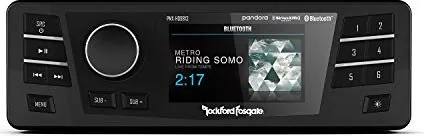
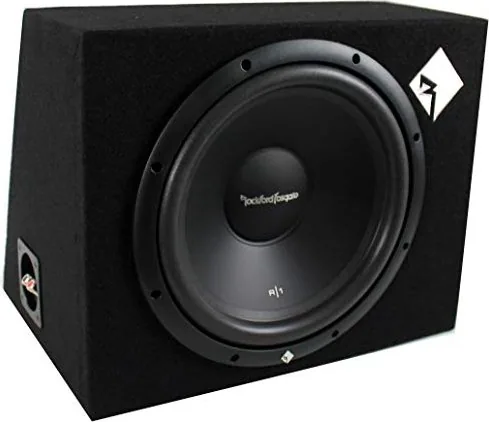
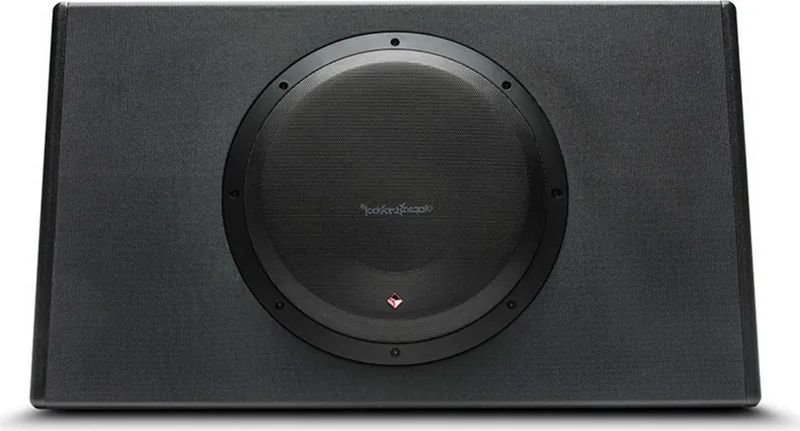
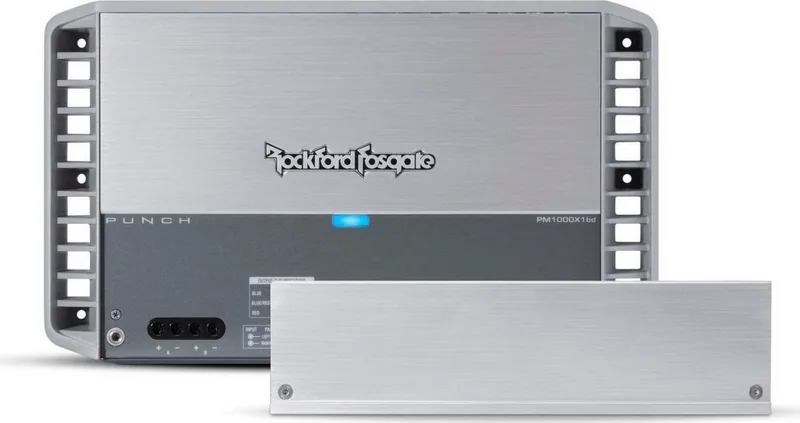
Categories

Rockford Fosgate Manuals: A Complete Guide to Finding, Using, and Understanding Your Documentation
Why Rockford Fosgate Manuals Matter
Rockford Fosgate manuals are the go-to reference for owners, installers, and enthusiasts who want to get the best performance from Rockford Fosgate audio equipment. Whether you are working with a new amplifier, adding a subwoofer to your vehicle, replacing a speaker, or troubleshooting a system that no longer sounds right, the manual is where the important details live. These documents typically explain specifications, wiring requirements, installation steps, control functions, recommended settings, and safety precautions.
Using the correct manual for your exact model helps you avoid common problems like improper gain settings, incorrect polarity, unstable power wiring, or thermal shutdown caused by poor ventilation and grounding. It also saves time by pointing you directly to the diagrams and procedures you need. Instead of guessing, you can follow the manufacturer guidance that is designed to match the hardware you actually own.
What You Can Expect to Find in a Rockford Fosgate Manual
Rockford Fosgate manuals are usually organized so you can jump to the section that matches your task. Depending on the product category, you may see a mix of the following:
Owner's Information and Product Overview
Most manuals start with a clear introduction to the product and the features it supports. You will often find:
- A description of what the component does (amplification, speaker sound output, DSP processing, remote level control, and more)
- Key features and highlights
- Important safety statements
- A list of items included with the product
Specifications and Performance Ratings
For amplifiers and powered audio components, manuals commonly include technical specifications such as:
- Rated power output and load compatibility
- Impedance ranges for subwoofers and speakers
- Frequency response (where applicable)
- Signal-to-noise ratio and distortion characteristics
- Fuse ratings and electrical limitations
These specifications are essential when planning your system. If you are selecting subwoofers, matching impedances, or verifying that your electrical system can support the amplifier, the manual is your baseline.
Wiring Diagrams and Connection Details
A major reason people search for Rockford Fosgate manuals is to get accurate wiring information. Manuals often include diagrams showing:
- Power connections (battery, fuse location, distribution block considerations)
- Grounding requirements (where and how to ground)
- Remote turn-on wiring
- Input connections (RCA line inputs, speaker-level inputs, and signal passthrough)
- Output connections (speaker wire routing, subwoofer wiring, bridge or parallel configurations)
These diagrams are not generic. They are designed for the exact layout and terminal labels used on your model.
Installation Procedures and Mounting Guidance
Installation chapters usually cover practical steps like:
- Choosing a mounting location that allows airflow
- Securing the unit properly to prevent vibration damage
- Recommended wire gauges for power and speaker circuits
- Cable routing tips to reduce noise and interference
- System integration steps with the factory head unit or an aftermarket source
Gain Controls, Filters, and Tuning
Many Rockford Fosgate manuals include guidance for setting up controls such as:
- Gain or input sensitivity
- Low-pass, high-pass, or band-pass filter settings
- Bass boost and equalization controls (on models that support them)
- Subsonic filtering options
- Phase control settings when available
Tuning guidance helps ensure you do not overdrive the amplifier or introduce distortion. When properly set, you can improve clarity, reduce harshness, and keep the system within safe operating limits.
Troubleshooting and Diagnostic Steps
When an audio system stops working as expected, the manual often provides a structured troubleshooting process. You may see sections that help you identify causes for issues like:
- No power or no sound
- Blown fuses
- Distorted output
- Intermittent shutdown
- Excess noise, alternator whine, or static
- Protection mode triggers
These troubleshooting steps usually include checks for wiring, ground integrity, correct load impedance, and signal connection quality.
Maintenance and Care Recommendations
Some manuals include advice for maintaining performance and preventing failure. Even for car audio components, care matters. The manual may recommend:
- Inspecting connections for corrosion or loosening
- Keeping ventilation paths clear
- Avoiding moisture intrusion
- Using appropriate cleaning methods
How to Choose the Right Rockford Fosgate Manual
Identify Your Exact Model
Rockford Fosgate equipment comes in many series and variations. Even if two amplifiers look similar, their wiring and control layouts can differ. To get the correct manual, identify:
- The full model name (example format varies by product)
- The amplifier series or product line
- The model number printed on the unit or packaging
If you are searching online, using the exact model designation usually yields the correct document faster than searching by product category alone.
Confirm the Product Type
Manuals differ depending on whether you have an amplifier, subwoofer enclosure, speaker component set, DSP processor, or another audio component. Before you start, confirm the product type and intended use. For example, an installation guide for an amplifier will focus on wiring and power distribution, while a speaker manual might focus more on mounting and care.
Match the Revision When Possible
Some products may have updated revisions. If you see revision numbers on the product label or in the manual, it is best to match them. This reduces the chance of following a diagram that does not perfectly match your unit.
Installation Essentials Covered in Rockford Fosgate Manuals
Power and Grounding Basics
A reliable install depends on correct power and grounding. Manuals typically emphasize:
- The importance of placing the fuse near the battery connection
- Correct wire gauge selection to handle current draw
- Grounding the amplifier to a solid metal point connected to the chassis
- Avoiding paint or corrosion barriers by using bare metal contact
A poor ground is one of the most common causes of noise and unstable performance. Following the manual's grounding guidance helps prevent problems like voltage drops, clicking or popping sounds, and reduced output.
Remote Turn-On and Signal Routing
Many manuals explain how to wire remote turn-on and how to route signal cables to reduce interference. Typical guidance includes:
- Ensuring the remote turn-on wire is triggered by the head unit or processor
- Avoiding routing RCA cables parallel and too close to power cables for long distances
- Using proper shielding where needed
Keeping signal cables separated from power wiring can significantly reduce alternator whine and other audio artifacts.
Speaker Wiring and Load Configuration
For amplifiers that support multiple wiring modes, manuals show how to wire subwoofers and speakers in series or parallel to achieve the proper impedance. Correct load configuration is critical for safe operation and correct power delivery.
Manuals often include clear instructions for:
- Single or dual voice coil (where applicable)
- Series versus parallel wiring diagrams
- Bridge mode setup (for models that support it)
- Ensuring the final impedance matches what the amplifier is designed to drive
Ventilation and Mounting Considerations
Heat management affects reliability. Manuals frequently include:
- Recommended mounting surfaces and airflow direction
- Spacing considerations around the amplifier
- Warnings against sealing the amplifier in a way that traps heat
When you mount the amplifier as instructed, you help maintain stable performance and reduce the likelihood of protection shutdown.
Tuning and Setup: Getting the Most From Your System
Setting Gain Correctly
Rockford Fosgate manuals commonly instruct users to set gain based on input signal level and output goals. Proper gain setting helps prevent distortion and ensures the system sounds balanced.
In many cases, the manual recommends a method that uses a test tone or a structured approach to match the amplifier input sensitivity to the head unit output. Following these steps helps prevent:
- Clipping that can damage speakers
- Under-driving that reduces dynamic range
- Uneven levels between channels
Using Filters and Crossover Settings
If your system includes subwoofers, the manual usually describes how to set filters so each component plays in its intended range. Correct crossover settings can improve:
- Bass clarity and punch
- Midrange and vocal definition
- Overall blend between subwoofer and full-range speakers
Many installations rely on low-pass for subs and high-pass for components, but exact settings depend on vehicle acoustics and speaker capabilities. Your manual provides the starting point and the control behavior.
Bass Boost, Phase, and Equalization Controls
Where available, manuals explain how auxiliary controls influence sound. Phase adjustments can change how bass sums with the rest of the system, especially in multi-driver setups. Bass boost and equalization can help tune frequency emphasis but can also increase strain if overused. The manual helps you understand safe ranges and likely outcomes.
Troubleshooting with Rockford Fosgate Manuals
No Power or Protection Mode
If your amplifier powers on but no sound comes out, or if it enters protection mode, the manual is the fastest route to a correct diagnosis. Manuals often outline checks such as:
- Verifying the fuse rating and that the fuse is intact
- Confirming battery voltage and ground continuity
- Inspecting remote turn-on wiring
- Ensuring correct impedance and proper wiring
Distortion, Weak Output, or Intermittent Behavior
If you hear distortion or the output is weak, tuning and wiring are often the causes. Manuals generally guide you to:
- Re-check gain and input settings
- Verify wiring polarity and secure terminations
- Confirm correct crossover or filter selections
- Look for loose connections or damaged cables
Noise and Alternator Whine
Noise problems often involve grounding and cable routing. Many manuals include advice like:
- Grounding the amplifier correctly
- Checking RCA cable connection integrity
- Rerouting cables away from power wires
- Addressing ground loops where applicable
Where Rockford Fosgate Manual Information Is Useful Beyond Installation
Rockford Fosgate manuals can also help you in the long term. When you add a new component, upgrade a head unit, replace speakers, or change your vehicle, the manual helps you verify compatibility and reconnect everything properly. If you ever resell the equipment, the documentation supports the installation quality and can provide quick reference for the next owner.
Quick Reference: How to Use Your Manual Efficiently
Read the Safety and Warning Sections First
Before you move any wires, confirm all safety notes and warnings. Car audio installations involve power, fuses, and potentially high current. The manual tells you what not to do.
Use the Diagram that Matches Your Terminal Labels
Manual wiring diagrams usually reference the terminal names printed on your unit. Match those labels carefully. If your device has multiple input modes or switchable configurations, the manual clarifies which diagram applies.
Follow the Recommended Wire Gauge and Fuse Rules
Do not substitute random wire sizes. Manuals specify minimum guidance so power delivery and protection remain appropriate.
Start with Factory-Recommended Tuning Values
If the manual provides baseline filter and gain approaches, start there. Then fine-tune with listening tests or measurement tools.
Re-check After Testing
Many manuals suggest revisiting connections after initial operation. Vibration and cable movement during install can loosen terminations. A quick inspection can prevent intermittent faults.
Common Questions About Rockford Fosgate Manuals
Do I Need the Manual Even If I Have Experience?
Yes. Experience helps, but the correct wiring and tuning steps depend on the exact model. The manual is your confirmation for power limits, impedance support, and the specific control behavior.
What If I Lost My Paper Manual?
You can often locate the correct documentation by using the exact model name and series. Matching the hardware ensures you get the right diagrams and instructions.
Can I Use a Similar Manual From Another Model?
In many cases, procedures and terminology may look similar, but wiring terminal layouts, supported modes, and control functions can differ. It is safer to use the manual for your specific model.
Summary: Your Best Path to Reliable, Great Sound
Rockford Fosgate manuals bring clarity to every stage of your audio setup, from correct installation and wiring to gain setting, crossover tuning, and systematic troubleshooting. When you use the right manual for your model, you reduce the risk of mistakes, improve reliability, and get closer to the performance your equipment is designed to deliver. If you are building a new system or maintaining an existing one, treat the Rockford Fosgate manual as your primary reference and keep it accessible for future upgrades and repairs.
Search for 67,732 Manuals online


Type-in Brand or Model