

Free RedPitaya Manuals – Read, Download & Print
1 Manuals
Manuals
Categories

RedPitaya Manuals
Overview
RedPitaya manuals are the primary reference materials for learning, configuring, and using RedPitaya devices effectively. Whether you are a beginner exploring a new board for the first time or an advanced user building measurement and control workflows, the manuals provide a structured path from setup to everyday operation. They help users understand hardware features, software tools, signal acquisition, calibration, and application development across a wide range of use cases.
Why the Manuals Matter
The RedPitaya ecosystem combines hardware, embedded software, web-based interfaces, and application libraries. Because of this layered design, manuals are important for connecting the pieces in a practical way. They reduce trial and error, improve measurement accuracy, and help users avoid setup mistakes that could affect performance or data quality.
What RedPitaya Manuals Typically Cover
RedPitaya manuals are usually organized around the most common activities a user needs to complete. They often begin with basic setup and move into more advanced topics such as signal generation, data acquisition, calibration, and automation.
Hardware Setup and Connections
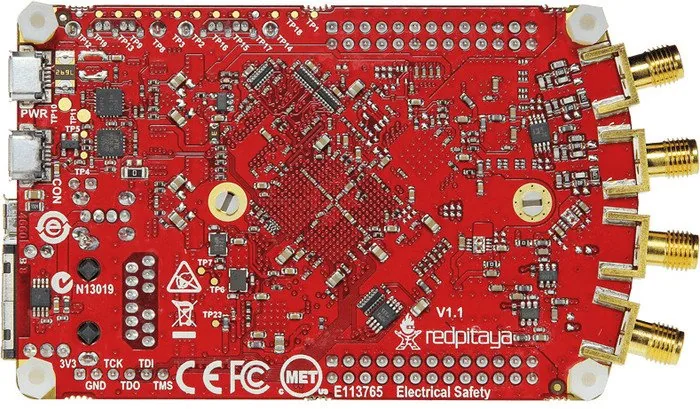
A typical manual explains how to unpack the device, connect power, attach network cables, and link inputs and outputs. It may describe the meaning of LEDs, connectors, and status indicators so users can verify that the board is operating correctly. These sections are especially helpful for first-time installation and lab integration.
Software and Interface Instructions
Many RedPitaya manuals include guidance for the web interface, desktop utilities, and API-based control. They describe how to access the device through a browser, launch apps, configure channels, and save or export results. For users who automate workflows, manuals may also introduce command-line tools and scripting options.
Measurement and Signal Processing Guidance
Since RedPitaya devices are often used for oscilloscopes, spectrum analysis, waveform generation, and control experiments, manuals frequently explain sampling rates, bandwidth limits, trigger settings, and scaling factors. This information helps users interpret results correctly and choose the right settings for each task.
Types of Manuals You May Find
Different RedPitaya manuals serve different audiences and purposes. Some are designed for quick onboarding, while others focus on advanced development or device-specific features.
Quick Start Guides
Quick start guides are short manuals that help users get the device running in the shortest possible time. They usually cover the essentials: network connection, browser access, first measurement, and basic signal output. These guides are ideal when speed matters and the user wants immediate results.
User Manuals
User manuals are more comprehensive and explain the day-to-day operation of the platform. They often include detailed descriptions of menus, controls, measurement functions, and system behavior. A user manual is the best place to learn how to use the device confidently in routine lab work.
Application Notes and Technical Guides
Application notes go deeper into specific workflows such as impedance measurements, lock-in amplification, PID control, or custom instrumentation. Technical guides may focus on particular workflows, use cases, or scientific experiments. These documents are useful when a project requires more than standard operation.
Developer and API Documentation
For programmers and engineers, RedPitaya manuals may include API references, library documentation, and examples for integrating the hardware into custom software. These manuals explain how to communicate with the device programmatically, build applications, and extend functionality beyond the built-in interface.
How to Use RedPitaya Manuals Effectively
The most useful manuals are not just for reading once. They are practical reference tools that can save time during setup, troubleshooting, and advanced configuration.
Start with the Basics
If you are new to the platform, begin with the quick start section or introductory chapters. This helps you understand the device architecture and avoids confusion later. Reading the basics first also makes advanced sections easier to follow because you will already know the names of the main controls and settings.
Match the Manual to the Task
Different tasks require different documents. For example, a basic oscilloscope session may only need the user manual, but a custom automation project may require API documentation and example code. Choosing the right manual saves time and helps you find relevant details faster.
Use the Table of Contents and Search
Most manuals are organized with clear headings and indexes. Use the table of contents to jump to the relevant chapter, and search for keywords such as trigger, calibration, sampling, or export. This approach is especially helpful when troubleshooting or revisiting a setting you used earlier.
Keep the Device Model in Mind
RedPitaya manuals can vary by device version, firmware release, and application package. Always confirm that the manual matches your specific model and software version. Small differences in hardware or firmware can affect menus, available features, and configuration steps.
Benefits of Following the Manuals
Using RedPitaya manuals consistently brings several practical advantages. It improves accuracy, reduces setup time, and helps users make better decisions during experiments and measurements.
Better Measurement Reliability
Manuals explain how to configure channels, set ranges, calibrate inputs, and interpret graphs correctly. Following these instructions helps reduce measurement errors and improves repeatability across sessions.
Faster Problem Solving
When something does not work as expected, the manual often provides the fastest route to a solution. It can help users identify cable issues, software settings, network problems, or unsupported configurations without unnecessary guesswork.
Improved Learning Curve
RedPitaya devices are powerful, but that power comes with many options. Manuals simplify the learning process by explaining concepts in a structured sequence. This is useful for students, researchers, educators, and engineers who want to build confidence quickly.
Support for Advanced Projects
For advanced users, manuals are not only educational but also operational. They help with custom instrument design, automation, embedded integration, and experimental setups that depend on precise timing and control.
Common Topics Found in the Manuals
Although the exact contents vary, many RedPitaya manuals share a familiar set of topics that reflect the platform’s core functions.
Signal Acquisition
This section usually explains how to capture signals, set input parameters, adjust time scales, and view waveforms. It may also describe sample rate selection and the limitations of the acquisition hardware.
Signal Generation
Manuals often include instructions for generating test waveforms such as sine, square, triangle, or arbitrary outputs. These sections are useful for stimulation, calibration, and closed-loop testing.
Triggering and Synchronization
Trigger behavior is important for stable observation of repeating signals. Manuals explain how to select trigger sources, adjust thresholds, and synchronize measurements to improve waveform clarity.
Data Export and Analysis
Many users need to save data for later analysis. Manuals usually describe export formats, file handling, and ways to move captured data into external tools for further processing.
Calibration and Accuracy
Calibration sections help users understand how to compensate for offsets, gain differences, and measurement drift. These topics are essential when precision matters.
Best Practices When Reading RedPitaya Manuals
A good manual is most useful when approached with a practical mindset. The following habits can make the experience smoother and more productive.
Read in Context
Do not read every chapter in order unless you need a full overview. Focus on the sections relevant to your current goal and return to other chapters as needed.
Verify Firmware and Software Versions
Before following instructions, check whether the manual references your current firmware or application version. Documentation may change over time, and using the wrong version can lead to confusion.
Combine Documentation with Experimentation
Manuals are most effective when paired with hands-on testing. Try the recommended steps in a controlled way and observe the results. This helps build understanding and reveals how the device behaves in real situations.
Save Useful Sections
If you work with RedPitaya regularly, bookmark or archive the chapters you use most often. Having quick access to key procedures can reduce downtime and make repeated tasks more efficient.
Conclusion
RedPitaya manuals are an essential resource for anyone using the platform for measurement, generation, automation, or research. They provide the structure needed to move from basic setup to advanced experimentation with confidence. By covering hardware, software, operation, and troubleshooting, these manuals support both new users and experienced developers. If you want to get the most from RedPitaya, the manuals are the best place to start and the most reliable guide to keep nearby.
Search for 67,706 Manuals online


Type-in Brand or Model