

Free LinkIt Manuals – Read, Download & Print
1 Manuals
Manuals
Categories

LinkIt Manuals
Introduction to LinkIt Documentation
LinkIt Manuals serve as the comprehensive guide for developers, hobbyists, and engineers working with the LinkIt Smart 7688 Duo and related IoT platforms. These manuals are essential resources that provide step-by-step instructions on hardware setup, software configuration, programming environments, and advanced application development. The primary goal of these documents is to bridge the gap between theoretical knowledge and practical implementation, enabling users to build robust Internet of Things solutions quickly and efficiently. Whether you are a beginner taking your first steps in embedded systems or an experienced developer looking to optimize existing projects, the LinkIt Manuals offer structured learning paths and detailed technical references.
The documentation covers a wide range of topics starting from the unboxing experience to deploying complex cloud-connected applications. It emphasizes user-friendly interfaces while maintaining technical depth. By following the guidelines outlined in these manuals, users can minimize trial-and-error cycles and ensure their projects meet industry standards for reliability and security. The manuals are regularly updated to reflect new firmware versions, library updates, and emerging best practices in the IoT ecosystem.
Hardware Overview and Setup
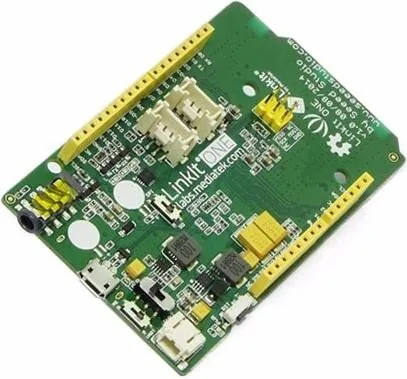
A significant portion of the LinkIt Manuals is dedicated to understanding the physical components of the LinkIt Smart 7688 board. This section details the pinout configurations, power requirements, and connectivity options available on the device. Users learn how to connect external sensors, actuators, and communication modules such as Wi-Fi antennas, GPS receivers, and Bluetooth peripherals. The manual provides clear diagrams illustrating the layout of GPIO pins, UART interfaces, I2C buses, and SPI lines, ensuring correct wiring without damaging the hardware.
Power management is another critical topic covered in this chapter. The documentation explains how to power the board via USB, battery packs, or external power supplies. It includes safety warnings regarding voltage levels and current limits to prevent overheating or component failure. Additionally, the guides describe how to install the microSD card slot correctly and configure boot settings for different operating modes. Proper initialization procedures are outlined to ensure the system boots reliably every time.
For those interested in expanding functionality, the manual discusses adding shields and breakout boards. It offers compatibility lists and connection examples for popular modules used in prototyping stages. Detailed troubleshooting tips help users diagnose common hardware issues such as loose connections, incorrect polarity, or insufficient power supply. This foundational knowledge prepares users for more advanced tasks involving custom circuit designs and integrated system architectures.
Software Environment and Development Tools
Transitioning from hardware to software, the LinkIt Manuals introduce the necessary tools required for coding and debugging. The primary development environment recommended is the Arduino IDE, which has been customized to support the MediaTek MT7688 processor architecture. The manuals walk users through installing the IDE, configuring board managers, and setting up the correct port settings. Step-by-step tutorials demonstrate how to write, compile, and upload sketches directly to the LinkIt board.
Beyond basic sketch creation, the documentation explores the use of Linux-based capabilities inherent in the LinkIt platform. Since the device runs a full Linux distribution, users can access terminal commands, run Python scripts, and utilize standard Unix utilities. The manual explains how to enable SSH access, manage file systems, and install additional packages using package managers like apt-get. This dual-layer approach allows developers to leverage both high-level abstraction provided by Arduino libraries and low-level control offered by native Linux tools.
Debugging techniques are thoroughly explained to assist in resolving runtime errors. The guides cover serial monitoring, log analysis, and breakpoint usage within supported IDEs. Network diagnostics tools are also introduced to help verify Wi-Fi connectivity and troubleshoot IP address conflicts. By mastering these software skills, users gain confidence in building scalable and maintainable codebases for their IoT projects.
Connectivity and Networking Protocols
Connectivity lies at the heart of any IoT solution, and the LinkIt Manuals dedicate substantial space to networking concepts. The text begins with configuring Wi-Fi networks, including station mode, access point mode, and soft AP configurations. Users learn how to scan for available networks, authenticate securely using WPA2 encryption, and establish stable connections even in noisy radio environments.
The manuals also delve into various communication protocols beyond Wi-Fi. Topics include Bluetooth Low Energy (BLE) pairing processes, MQTT message brokering for lightweight messaging, and CoAP for constrained networks. Each protocol is explained with code snippets showing how to implement client-side logic on the LinkIt board. Real-world scenarios illustrate how these protocols can be combined to create hybrid systems capable of handling diverse data transmission needs.
Security measures are emphasized throughout the networking chapters. The guides discuss implementing TLS/SSL encryption, managing certificates, and securing API endpoints against unauthorized access. Best practices for firewall rules and network segmentation are provided to protect sensitive data transmitted over public networks. Understanding these principles ensures that deployed applications remain secure against evolving cyber threats.
Application Development and Cloud Integration
One of the most powerful features of the LinkIt platform is its ability to integrate seamlessly with cloud services. The manuals guide users through connecting their devices to major IoT clouds such as AWS IoT, Microsoft Azure, Google Cloud Platform, and ThingSpeak. Each integration path includes authentication workflows, data payload formatting, and event-driven automation setups.
Developers learn how to send sensor readings to the cloud, receive remote commands, and visualize real-time data dashboards. Case studies showcase complete end-to-end projects ranging from smart home automation systems to industrial predictive maintenance monitors. These examples highlight modular design patterns that promote reusability and ease of maintenance across multiple deployments.
Advanced topics include edge computing strategies where preprocessing occurs locally before sending aggregated results to the cloud. This reduces bandwidth consumption and latency while improving overall system responsiveness. The manuals also touch upon containerization techniques using Docker to isolate applications and simplify deployment processes. Such insights empower users to architect enterprise-grade solutions leveraging the full potential of the LinkIt hardware.
Troubleshooting and Maintenance
Even with careful planning, challenges may arise during project development. The LinkIt Manuals include an extensive troubleshooting section addressing frequent issues encountered by the community. Common problems such as failed uploads, intermittent connectivity drops, and memory leaks are analyzed with root cause explanations and actionable solutions.
Maintenance procedures are outlined to keep the system running optimally over long periods. Firmware update instructions ensure devices stay current with the latest bug fixes and feature enhancements. Backup and restore mechanisms are described to safeguard user configurations against accidental loss. Regular health checks and diagnostic routines are recommended to detect early signs of hardware degradation or software instability.
Community support channels are highlighted, encouraging users to participate in forums, report bugs, and share their own experiences. This collaborative approach fosters continuous improvement of the documentation and strengthens the overall ecosystem surrounding the LinkIt platform. By following these maintenance guidelines, users can maximize the lifespan and performance of their IoT deployments.
Conclusion and Future Directions
The LinkIt Manuals represent a vital resource for anyone venturing into the world of embedded IoT development. They combine theoretical foundations with hands-on practice, offering a holistic view of what it takes to build connected devices. As technology evolves, these documents will continue to expand, incorporating new hardware revisions, updated software frameworks, and innovative application ideas. Staying informed through regular review of the manuals ensures that developers remain at the forefront of IoT innovation, capable of creating impactful solutions that transform industries and improve daily lives.
Search for 67,706 Manuals online


Type-in Brand or Model