
LAS SD260 11619 Manual
PDF manual · 68 Pages
English



Quick check
Incorrect answer, please try again.
Chat with your LAS SD260 11619 manual using AI
Get instant AI answers from your LAS SD260 11619 manual
Ask anything about the LAS SD260 11619. Answers come from this manual, with the pages they are based on.
SD260 11619 Maintenance Schedule
Inspect the bike carrier for wear before each trip. Check straps for damage or looseness; replace defective parts and worn straps immediately.
The carrier settles into the coupling after driving several kilometres. Check that it is firmly attached and redo the fitting if loose.
Verify correct operation of the lighting system and check the connection between the plug and coupling before starting every journey.
In coastal areas or winter conditions, clean regularly with mild detergent and warm water to wash off salt and prolong service life.
If the sliding mechanism is dirty, rinse it with water immediately to ensure smooth gliding. Always return carrier to transport position when not in use.
Ask a Question
Do you recommend SD260 11619?
Yes NoFrequently Asked Questions
The LAS SD260 has a maximum payload capacity of 60 kg. It is designed to carry up to two bicycles simultaneously, provided the total weight does not exceed this limit.
Is this answer helpful?
No, you must never mount the LAS SD260 on an aluminum, light metal, or plastic tow hitch. It is strictly designed for steel St52 or gray cast iron GGG52 hitches to prevent breakage.
Is this answer helpful?
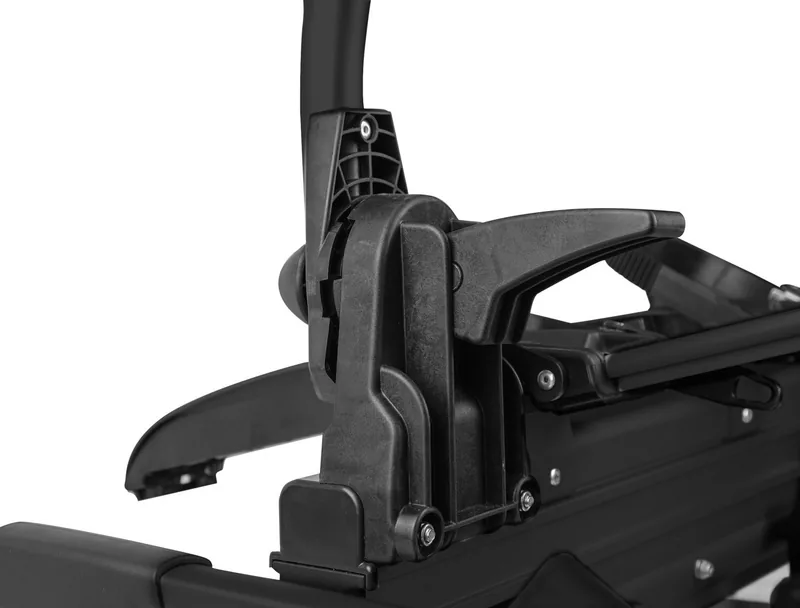
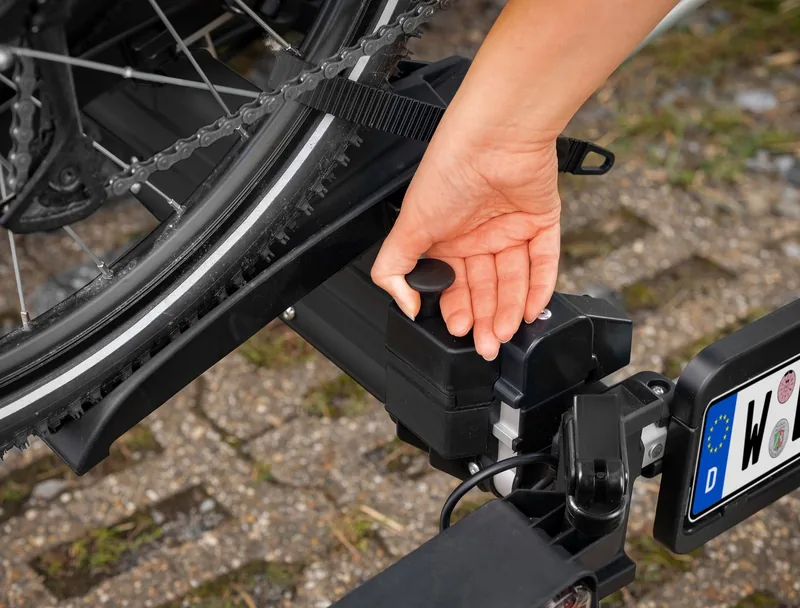
You can use the built-in sliding mechanism. Lift the release knobs to unlock the carrier, then slide it backward away from the vehicle before opening the trunk or tailgate.
Is this answer helpful?
The carrier comes with a 13-pin plug. While wiring diagrams exist for 7-pin systems, any conversion must be performed by a qualified specialist; DIY modifications are prohibited.
Is this answer helpful?
No, driving over difficult or uneven terrain can cause the carrier to break off. It should only be used on paved roads and gentle slopes.
Is this answer helpful?
A layer of paint on the tow ball reduces friction and grip. Removing it ensures the carrier locks securely onto the ball, preventing dangerous loosening during travel.
Is this answer helpful?
Advantages and Disadvantages
Advantages

- Sliding mechanism provides easy trunk access without unloading bikes
- Compact folding design saves storage space when not in use
- Durable steel and aluminum construction supports up to 60 kg load
- Integrated lighting system meets European safety standards
- Lockable frame holders add security against theft
Disadvantages

- Not suitable for off-road terrain due to risk of damage
- Requires strict adherence to tow hitch material specifications
- Tarpaulins cannot be used due to wind resistance risks
- Paint on tow balls must be removed for optimal grip
- Manual adjustment needed if quick release becomes loose over time
Product Specification
Type
Bike rack
Mounting
Rear/Tow hitch
Load capacity for sports equipment
2 bicycles
Max load
132.28 lbs
Features
foldable, rear lights (13-pin)
Color
black
Dimensions
31.89x51.18x30.31 in (WxDxH)
Weight
45.20 lbs
Product Description
Experience Freedom with the LAS SD260 Manual Bike Carrier
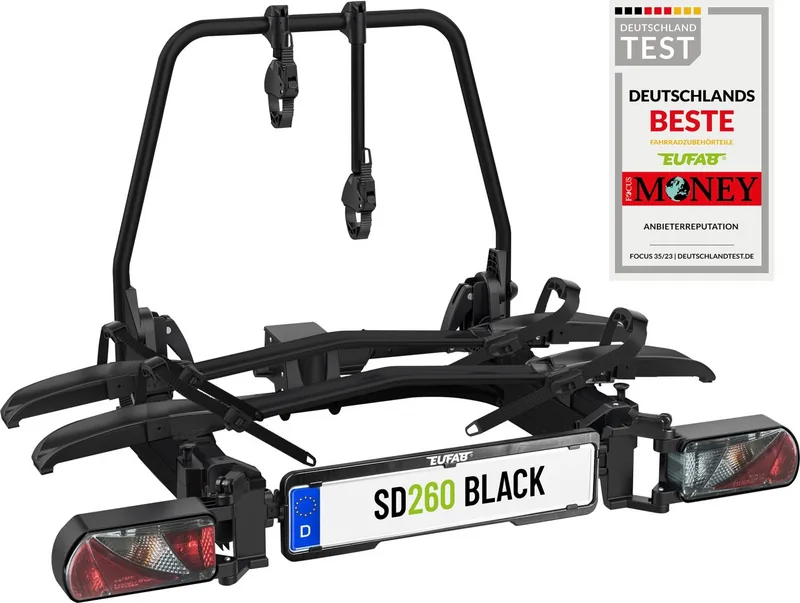
The LAS SD260 is a robust and reliable bike carrier designed for seamless integration with your vehicle's tow hitch. This manual-operated system offers a practical solution for transporting up to two bicycles, making it an ideal choice for weekend getaways or family adventures. Constructed from durable steel and aluminum, the SD260 balances strength with a manageable weight of approximately 20.5 kg, ensuring it does not overly burden your vehicle's suspension.
Designed with safety as a top priority, the LAS SD260 features a secure locking mechanism that prevents theft and accidental detachment during transit. The carrier includes essential accessories such as keys, safety straps for front wheels, and frame holders in both long and short configurations to accommodate various bicycle types. Whether you are carrying mountain bikes or roadsters, the adjustable wheelbase support handles frames up to 130 cm apart and tires up to 3.25 inches wide.
One of the standout features of this model is its sliding mechanism. This allows you to easily push the carrier backward to access your trunk without removing the bikes or the entire rack. When not in use, the ingenious folding system enables you to collapse the unit for compact storage, saving valuable space in your garage. The integrated lighting system ensures compliance with road regulations, featuring a 13-pin connector for standard vehicle setups, though adapters are available for 7-pin systems via professional installation.
Proper usage requires adherence to specific coupling requirements, including a minimum tow ball diameter of 50 mm and a D-value of at least 7.6 kN. Always ensure the carrier is mounted on a steel or gray cast iron hitch, never on aluminum or plastic components. Regular maintenance, such as cleaning after coastal trips or winter driving, preserves the powder-coated finish against corrosion. By following the detailed guidelines provided in the user manual, you guarantee a safe and enjoyable journey every time.
Search for 67,706 Manuals online


Type-in Brand or Model