
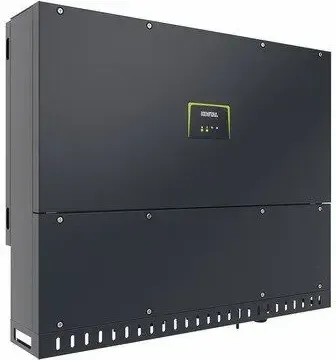
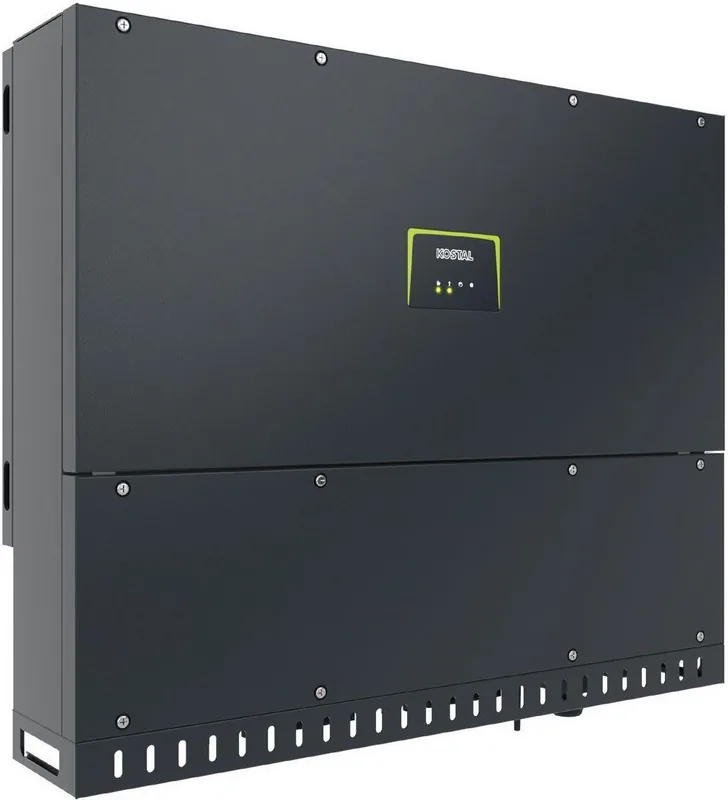
Kostal PIKO CI Manual
PDF manual · 137 Pages
English



Quick check
Incorrect answer, please try again.
Chat with your Kostal PIKO CI manual using AI
Get instant AI answers from your Kostal PIKO CI manual
Ask anything about the Kostal PIKO CI. Answers come from this manual, with the pages they are based on.
PIKO CI Maintenance Schedule
Verify normal operating noise, function of all communication connections, and check for damage or housing deformation.
Ensure cable connections and plugs have good contact and are secure. Check for damage, ageing, and verify grounding.
Remove soiling and check ventilation ducts. Clean if necessary and remove and clean the fan if needed.
Free maintenance reminders
Timed to your purchase date. Always free, unsubscribe anytime.
Ask a Question
Do you recommend PIKO CI?
Yes NoFrequently Asked Questions
Yes, the PIKO CI series is optimized for medium to large photovoltaic installations, offering robust performance suitable for solar farms and industrial projects with varying power capacities from 30 to 60 kilowatts.
Is this answer helpful?
Commissioning is streamlined through wireless capabilities using the KOSTAL PIKO CI App. This allows configuration via tablet or smartphone to minimize manual entry errors and reduce setup time significantly.
Is this answer helpful?
The inverter supports LAN, WiFi, and RS485 protocols. These allow connection to local networks, data loggers, or external smart energy meters for flexible data transmission and monitoring.
Is this answer helpful?
Safety is paramount. The unit meets IP65 standards and includes protection mechanisms against electrical faults. Qualified personnel must strictly follow shutdown procedures before maintenance.
Is this answer helpful?
Yes, data is securely transmitted to the KOSTAL Solar Portal. Operators can remotely monitor generation values, receive error notifications, and update firmware without physical visits to the site.
Is this answer helpful?
There are three primary models in the series: 30 kW, 50 kW, and 60 kW variants, each designed to meet different energy generation requirements and scalability needs.
Is this answer helpful?
Advantages and Disadvantages
Advantages

- High efficiency three-phase power conversion for 30-60 kW systems
- Wireless commissioning via dedicated mobile application
- Multiple communication options including LAN and RS485
- Robust safety features with clear LED status indicators
- Secure remote monitoring through KOSTAL Solar Portal
Disadvantages

- Requires qualified electrician for all installation and maintenance
- Strict shutdown procedures increase downtime slightly
- Specific mounting clearance needed for thermal management
- Complex wiring for large-scale clustered systems
- Standard passwords require immediate change for security
Product Specification
Note
Prices sometimes include 0% VAT rates for AT and DE
Type
Solar inverter, with fan
Interfaces
Wi-Fi (WLAN), 2x RJ-45 (10/100Base-TX), 1x RS-485
Ingress Protection
IP65
Ambient Temperature
-13°F to +140°F
Product Description
Discover the Power of the KOSTAL PIKO CI
The KOSTAL PIKO CI series represents a significant advancement in solar inverter technology for medium to large-scale photovoltaic installations. Designed with reliability at its core, this equipment handles high output power efficiently, making it ideal for solar farms and commercial energy projects. Users looking for robust performance will appreciate the three-phase output capability available across the 30, 50, and 60 kW variants. Each unit is engineered to convert solar energy into usable electricity with minimal loss, ensuring maximum return on investment for facility owners.
Seamless Installation and Commissioning
Modern solar systems require flexible and secure installation methods. The design supports wireless commissioning through a dedicated smartphone application. This process simplifies the connection between the inverter and control devices, allowing engineers to configure settings remotely without complex cabling for initial setup. Safety is a priority throughout the mounting process. Installers must follow specific spacing requirements to ensure adequate cooling and prevent overheating. The enclosure meets IP65 standards, protecting internal components from dust and water ingress during outdoor exposure.
Connectivity and Monitoring Options
Managing energy output requires clear visibility into system performance. The inverter offers multiple communication protocols including LAN, RS485, and WiFi. These interfaces allow connection to local networks, data loggers, or external smart energy meters. Data transmission is encrypted to ensure security when sent to the KOSTAL Solar Portal. Plant owners can monitor generation values, identify errors, and update firmware remotely. This connectivity supports grid codes and regulatory compliance effortlessly.
Safety and Maintenance Requirements
High voltage equipment demands strict adherence to safety protocols. Qualified electricians must handle all operations regarding DC and AC connections. Specific shutdown procedures are necessary before any maintenance work begins to discharge capacitors safely. The user interface provides clear status LEDs and app-based notifications for immediate fault detection. Regular software updates keep the system aligned with changing grid regulations. Components are tested for extreme weather conditions. Following guidelines similar to those in the Kostal PIKO CI Manual ensures long-term operational stability and warranty validation.
Final Thoughts on System Integration
Integrating these inverters into a broader energy management strategy maximizes efficiency. The option to connect central network protection devices adds an extra layer of safety for complex sites. Whether serving as a master unit or a follower in a clustered system, the hardware maintains synchronized operation for optimal power distribution. Investing in this technology provides peace of mind regarding energy production consistency. Ensure proper ventilation during operation.
Note on Compliance: Always verify local grid regulations before installation.
Search for 67,706 Manuals online


Type-in Brand or Model