
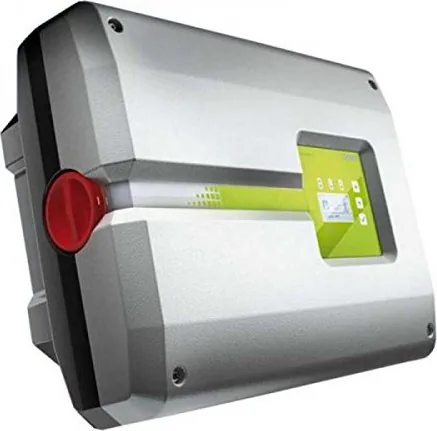
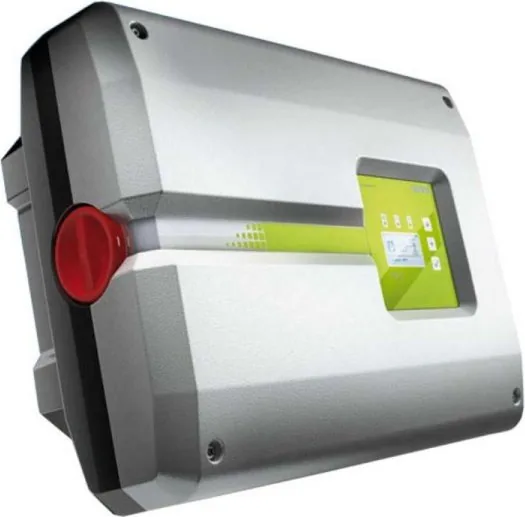
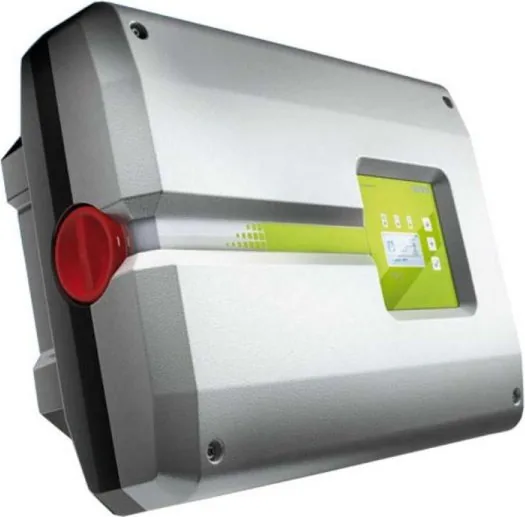
Kostal PIKO 10-20 Manual
PDF manual · 169 Pages
English



Quick check
Incorrect answer, please try again.
Chat with your Kostal PIKO 10-20 manual using AI
Get instant AI answers from your Kostal PIKO 10-20 manual
Ask anything about the Kostal PIKO 10-20. Answers come from this manual, with the pages they are based on.
PIKO 10-20 Maintenance Schedule
Carry out the fan test during feed-in operation and verify fans function correctly. Clean if necessary.
Inspect all cable connections and plugs for security and condition.
Remove power and clean the fan unit using a soft brush to prevent blockage and overheating.
Wipe the housing with a damp cloth only. Do not use sharp cleaners.
Free maintenance reminders
Timed to your purchase date. Always free, unsubscribe anytime.
Ask a Question
Do you recommend PIKO 10-20?
Yes NoFrequently Asked Questions
A Kostal PIKO inverter converts DC electricity from photovoltaic modules into AC electricity for household loads and public-grid export in grid-connected solar installations.
Is this answer helpful?
The range includes PIKO 10, PIKO 12, PIKO 15, PIKO 17, and PIKO 20 models. Technical details such as connections and capabilities can vary by model.
Is this answer helpful?
Yes. Its integrated shade management adjusts maximum power point tracking for affected strings, helping reduce losses caused by partial shading.
Is this answer helpful?
Use the front display for operating values and status, or connect through the integrated web server to view live data, statistics, event messages, and configuration options.
Is this answer helpful?
Yes. The integrated data logger can record data at 5, 15, or 60 minute intervals. Storage duration varies by interval, so regular backups are recommended for long-term history.
Is this answer helpful?
Yes. Installation, maintenance, commissioning, and changes affecting grid connection must be completed by qualified electrical professionals in accordance with local rules.
Is this answer helpful?
Advantages and Disadvantages
Advantages

- Three-phase inverter range supports solar self-consumption and surplus grid export.
- Integrated shade management helps optimize output from partially shaded PV strings.
- Built-in web server, display, LEDs, and data logger provide clear performance monitoring.
- Ethernet, RS485, analog, and S0 interfaces support flexible system integration.
- PIKO 15-20 can support central grid and system protection with Smart AC Switch.
Disadvantages

- Installation, maintenance, and electrical changes require qualified professionals.
- Long-term log retention requires regular exports or a connected solar portal.
- Performance can be reduced by poor ventilation, excessive heat, dust, or improper mounting.
- Advanced installer settings require a service code and must follow local grid rules.
- Household consumption monitoring requires an optional KOSTAL Smart Energy Meter.
Product Specification
Note
Prices include partial 0% VAT rates for Austria and Germany
Type
Solar inverter, with fan
Input voltage
160-1,000 V direct current (DC)
MPP voltage range
180-800 V direct current (DC)
Output phases
3-phase
Input
MC4
Output
Terminals
Interfaces
2x RJ-45 (10/100Base-TX), 1x RS-485
Protection rating
IP65
Ambient temperature
-4°F to +140°F
Product Description
Kostal PIKO - Read, Download & Print Free
The Kostal PIKO is a three-phase solar inverter range designed to convert photovoltaic direct current into usable alternating current for homes and grid-connected solar systems. Available across the PIKO 10 to PIKO 20 range, these units support efficient self-consumption while allowing surplus solar energy to be fed into the public grid. For owners seeking a practical overview, Kostal PIKO - Read, Download & Print Free highlights the key operating, monitoring, and safety features of this dependable solar solution.
Designed for Everyday Solar Performance
PIKO inverters are built for fixed installation in grid-connected PV systems and are intended to operate within specified power and environmental limits. Their intelligent energy management prioritizes solar power for household loads such as lighting and appliances before sending unused energy to the grid. This approach can help households make better use of the electricity generated on site.
An integrated shade management function supports improved output when part of a PV string is affected by shade from trees, roof structures, or nearby objects. The inverter adjusts maximum power point tracking to help the connected string continue operating efficiently. It can also work with compatible modules that use their own optimization control.
Monitoring and Flexible Connectivity
The front display, LED indicators, and control buttons provide direct access to operating states, production values, and event messages. Users can review DC and AC values, total yield, daily production, network parameters, and system status without complicated equipment.
For deeper monitoring, the built-in web server offers browser-based access to live values, statistics, settings, event information, and software versions. The integrated data logger records generation and performance information at selectable intervals of 5, 15, or 60 minutes. Regular exports or connection to a solar portal are useful for preserving long-term records.
Ethernet, RS485, analog inputs, S0 input, and a configurable switching output extend integration possibilities. Optional KOSTAL Smart Energy Meter support enables detailed tracking of household consumption and grid exchange through compatible monitoring services.
Installation and Safety Considerations
PIKO 10-20 models require professional installation by qualified electrical personnel. Correct positioning, ventilation clearance, cable sizing, protective devices, grounding, and local grid rules are essential for safe operation. The housing should be mounted vertically on a stable, non-flammable surface, away from direct weather exposure, dust, ammonia, and blocked airflow.
The PIKO 15-20 models can include a KOSTAL Smart AC Switch function for central system protection where local grid requirements call for it. This can reduce the need for separate switching hardware in suitable installations.
Note: Always use qualified installers for electrical work, commissioning, maintenance, and changes to country-specific grid settings.
Note: Keep ventilation paths clear and investigate persistent event codes promptly to protect performance and system reliability.
Search for 67,706 Manuals online


Type-in Brand or Model