

Free ButtKicker Manuals – Read, Download & Print
1 Manuals
Manuals
Categories

ButtKicker Manuals
Overview
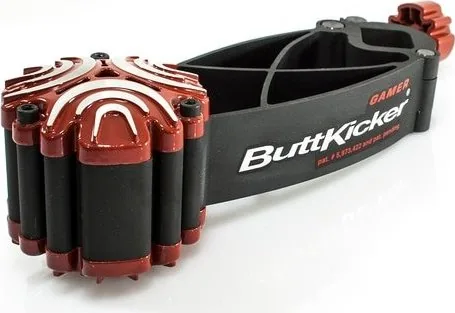
ButtKicker manuals are comprehensive documents designed to help users install, configure, operate, and maintain ButtKicker tactile transducers and related products. ButtKicker devices convert low-frequency audio into tactile vibration, enhancing immersion in home theaters, gaming rigs, simulators, and professional audio installations. The manuals provide technical specifications, safety guidelines, wiring diagrams, troubleshooting steps, and recommended mounting techniques to ensure reliable performance and longevity.
Purpose and Audience
The primary purpose of ButtKicker manuals is to guide end users, installers, and technicians through every stage of product lifecycle: unboxing, installation, setup, optimization, and maintenance. Target audiences include:
- Home theater enthusiasts seeking immersive low-frequency feedback
- Gamers and simulator builders integrating tactile transducers into chairs or cockpits
- AV professionals installing ButtKicker systems in commercial or education environments
- DIY builders wanting to adapt tactile transducers for custom projects
- Service technicians performing diagnostics and repairs
Manuals are written to be accessible to a range of skill levels, often including simplified setup sections for beginners and detailed technical appendices for advanced users and installers.
Key Sections Typically Included
Introduction and Product Description
This section introduces the specific ButtKicker model, its intended use, main components, and package contents. It often highlights unique features, such as mounting options, amplifier compatibility, and frequency response characteristics.
Safety and Regulatory Information
Safety guidelines are emphasized to prevent injury or equipment damage. Topics typically covered:
- Electrical safety: proper grounding, fuse ratings, wiring practices, and avoiding short circuits
- Mechanical safety: secure mounting, load limits, and safe handling to prevent pinching or dropping
- Environmental considerations: operating temperature ranges, humidity, and avoiding exposure to liquids
- Regulatory compliance: certifications, disposal instructions, and warranty disclaimers
Hardware Installation
Detailed step-by-step instructions for physically installing the ButtKicker. This includes:
- Recommended mounting locations (sofa frames, theater platforms, vehicle seats, simulator frames)
- Mounting hardware specifications (bolt sizes, washers, locknuts, torque recommendations)
- Isolation and vibration control techniques to minimize unwanted noise transfer
- Diagrams and photos showing proper orientation and attachment points
Electrical Connections and Amplification
ButtKicker manuals explain how to connect transducers to amplifiers and audio sources. Topics typically covered:
- Input signal options: speaker-level vs. line-level, mono vs. stereo bridging
- Wiring diagrams for single or multiple transducer configurations
- Impedance considerations and how multiple units affect amplifier load
- Recommendations for compatible amplifiers, recommended power ranges, and protection circuitry
- Using crossovers, subsonic filters, and equalization to protect transducers and tailor response
Signal Processing and Tuning
To achieve optimal tactile performance, manuals often include guidance on signal processing:
- Setting crossover frequency and slope to keep harmful DC or low-frequency energy out of transducers
- Recommended EQ curves and gain structure to enhance clarity without overstressing the unit
- Tips for balancing tactile intensity with audio fidelity and neighbor-friendly levels
- Examples of typical settings for home cinema, gaming, racing, and flight simulators
Mounting Examples and Use Cases
Real-world examples help users visualize proper installations. Manuals commonly show mounting approaches for:
- Recliners and sofas: under-seat frame, solid attachment points, and foam isolation pads
- Theater risers and platforms: multi-unit arrays to distribute vibration evenly
- Motion chairs and simulator cockpits: direct-bolt attachment to metal frames for precise feedback
- DIY enclosures and furniture: recommended reinforcement and vibration damping techniques
Maintenance and Care
Routine care instructions are provided to maintain performance:
- Periodic inspection of mounting hardware and electrical connections
- Cleaning recommendations and avoiding moisture or contaminants
- Guidance on storing units during long-term disuse
- Steps to perform basic performance checks
Troubleshooting Guide
A practical troubleshooting section helps diagnose common issues quickly. Typical problems and solutions cover:
- No vibration or intermittent operation (check amplifier power, signal routing, cable continuity)
- Distorted or harsh vibration (reduce gain, check crossover settings, inspect for mechanical contact causing buzz)
- Overheating amplifiers (confirm amplifier power rating and ventilation)
- Rattling or buzzing furniture parts (identify loose screws, add isolation or padding)
Technical Specifications
Detailed specs give installers the numbers needed for planning and integration. Common entries include:
- Mechanical dimensions and weight
- Frequency response range and resonance characteristics
- Nominal impedance and recommended amplifier power range
- Continuous and peak power handling ratings
- Mounting hole patterns, bolt sizes, and recommended torque values
Warranty and Support
Information on warranty coverage, limitations, and how to obtain service is included. Manuals usually provide contact methods for technical support, recommended spare parts, and links or references to online resources such as software, firmware updates, or extended documentation.
Best Practices for Installation
- Use recommended amplifier power: too little power yields weak tactile response; too much can damage the transducer.
- Secure mounting to heavy, rigid surfaces for efficient energy transfer; avoid attaching to thin or hollow panels without reinforcement.
- Isolate units from surfaces that can radiate audible noise by using sorbothane pads, rubber mounts, or damping materials.
- Start with conservative gain and crossover settings, then fine-tune while testing with familiar media.
- Distribute multiple transducers evenly across larger platforms to achieve uniform tactile sensation.
Advanced Topics
For professional or custom installations, manuals may delve into more advanced material:
- Acoustic modeling of tactile systems in room environments
- Integration with motion systems and synchronization with visual cues
- Bridging amplifiers and impedance matching for multiple transducers
- Use of digital signal processors (DSPs) for precise crossover, limiting, and dynamic control
- Thermal management strategies for high-duty-cycle applications
Common Questions Addressed
- Can I run a ButtKicker from a home theater receiver? Manuals explain that while some receivers can drive transducers at speaker-level outputs, it’s often preferable to use a dedicated amplifier designed for the transducer’s power and impedance.
- How many units should I use? Guidance is provided based on seating layouts and desired intensity; larger platforms and multiple seating positions often benefit from two or more units.
- Will vibration damage my furniture? Proper mounting techniques and reinforcement help prevent structural damage; manuals emphasize avoiding attachment to delicate components and using isolation where necessary.
Where to Find Official Manuals and Resources
ButtKicker manuals are typically available on the manufacturer’s website in PDF format. Additional resources include:
- Model-specific spec sheets and quick-start guides
- Video tutorials demonstrating installation and tuning procedures
- Community forums and user groups with shared experiences and custom solutions
- Firmware updates, software tools, and DSP presets for compatible systems
Conclusion
ButtKicker manuals are essential references for anyone installing or using tactile transducers. They consolidate safety guidance, installation instructions, electrical wiring diagrams, signal-processing recommendations, and troubleshooting advice into a single resource. Careful adherence to these manuals helps ensure safe operation, optimal tactile performance, and long-term reliability of ButtKicker systems across home, gaming, and professional applications.
Additional Notes
When beginning any installation, always read the entire manual for your specific ButtKicker model. Following model-specific instructions, especially regarding mounting hardware and amplifier compatibility, reduces the risk of damage and improves the overall tactile experience.
Search for 67,706 Manuals online


Type-in Brand or Model