
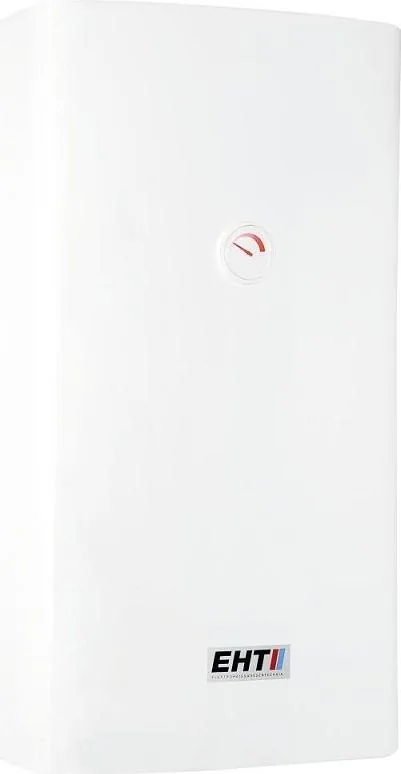
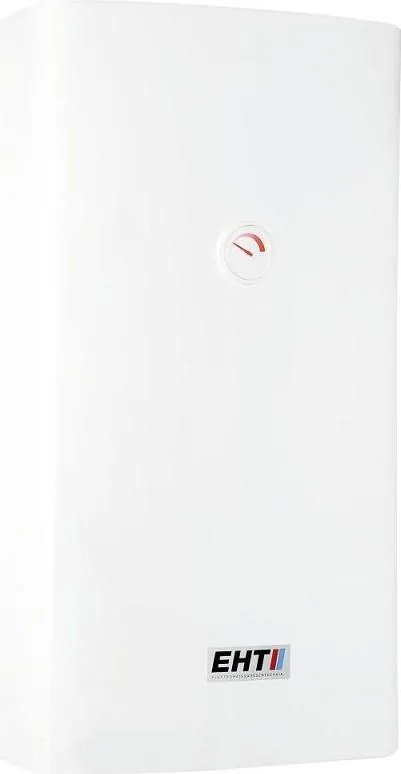
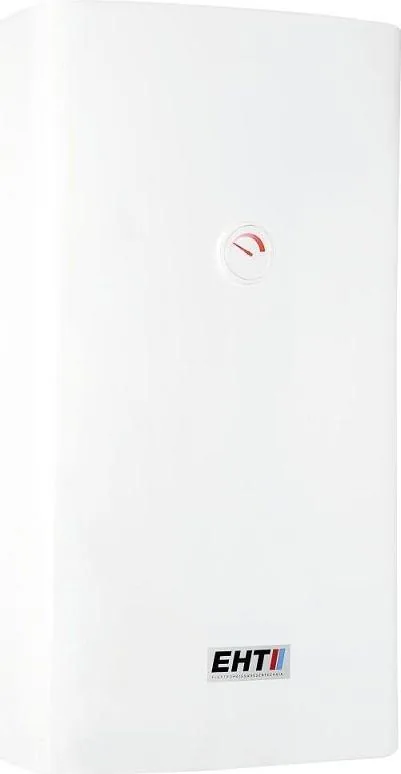
Austria Email EHT Manual
PDF manual · 72 Pages
English



Quick check
Incorrect answer, please try again.
Chat with your Austria Email EHT manual using AI
Get instant AI answers from your Austria Email EHT manual
Ask anything about the Austria Email EHT. Answers come from this manual, with the pages they are based on.
EHT Maintenance Schedule
If water has high lime content, remove scale from the inner tank by a technician every one to two operating years.
Check the magnesium rod-type anode every 2 years and replace it when 2/3 of the material is consumed to ensure corrosion protection.
A specialist must document the anode inspection at maximum 2-year intervals to maintain warranty validity.
Free maintenance reminders
Timed to your purchase date. Always free, unsubscribe anytime.
Ask a Question
Do you recommend EHT?
Yes NoFrequently Asked Questions
It provides the essential instructions for safe installation, electrical connection, commissioning, operation, maintenance, and proper shutdown for the Austria Email EHT hot water storage line. It also lists water quality, pressure, and corrosion protection requirements that directly affect performance and warranty validity.
Is this answer helpful?
No. The manual states installation, commissioning, and electrical connection must be carried out by qualified, authorized professionals. This is required for correct assembly, compliance with standards, and safe operation, especially for pressure-rated fittings and protective electrical measures.
Is this answer helpful?
The safety valve relieves expansion water during heating and protects the tank from overpressure. The manual also requires correct discharge routing (visible, open, and routed to drainage) and functional checks after filling so the system can vent safely and operate without blockages.
Is this answer helpful?
The enamelled tank is protected with a magnesium rod-type anode as standard, which must be inspected and replaced based on consumption intervals. For impressed current solutions, the manual explains LED-based monitoring, where green indicates active protection and red means protection is not active.
Is this answer helpful?
The manual calls for checking the magnesium anode every 2 years and replacing it when consumption reaches the specified level. For hard, lime-rich water, scale removal is typically required after about 1 to 2 operating years, using the specified cleaning method through the flange opening.
Is this answer helpful?
The manual requires defined limits for substances and a minimum conductivity to ensure corrosion protection works. If the requirements are not met or if decalcification is excessive, corrosion protection can fail and warranty claims may be rejected. It can also accelerate scaling and reduce efficiency.
Is this answer helpful?
Yes. The tank must be filled with water before connecting to electricity. During first filling, the outlet valve on the fitting is opened until the tank is completely filled with no air bubbles. After that, all connections are checked for leaks and the safety group is checked for proper function.
Is this answer helpful?
Advantages and Disadvantages
Advantages

- Durable enamel technology with factory quality inspection helps support long-term performance.
- CFC-free insulation targets very low standby energy consumption for everyday efficiency.
- Emphasis on correct safety valve use and discharge routing supports safe pressure management.
- Built-in corrosion protection concepts with magnesium or impressed-current anode monitoring.
- Clear guidance for commissioning, leak checks, and maintenance intervals to protect warranty validity.
Disadvantages

- Installation and electrical connection must be done by qualified specialists.
- Strict requirements for water quality and conductivity may limit use with certain supplies.
- Freeze protection and proper draining are required for periods of non-use.
- Warranty and liability can be denied if approved fittings are not used or pressure limits are exceeded.
- Regular maintenance is needed, including anode checks and scale removal after service intervals.
Product Specification
Energy efficiency class
C
Temperature control
95-176°F
Construction type
closed (pressure-resistant)
Mounting type
Wall mounting
Special features
Frost protection
Noise level
15dB(A)
Product Description
Austria Email EHT Manual: A practical guide to safe, efficient hot water storage
If you want reliable hot water day after day, the Austria Email EHT line is built around performance and durability. These storage water heaters use state-of-the-art enamel technology and consistent factory quality checks, backed by CFC-free insulation designed for very low standby energy consumption. Whether the system is upright or horizontal, the goal is the same: dependable hot water with smart, service-friendly design.
A key part of getting the best results is following the Austria Email EHT Manual. Installation and first start-up must be carried out by qualified specialists, because the appliance depends on correct connections, correct pressure handling, and correct electrical safety measures. On the water side, the manual emphasizes pressure-tight connections using approved safety devices and correct discharge routing so expansion water can vent safely. On the electrical side, it requires proper protective equipment such as a residual current device (with I∆N <= 30 mA), correct wiring practices, and de-energizing before any work.
Beyond safety, the manual focuses strongly on corrosion protection and long-term operation. The enamelled tank is protected with a magnesium sacrificial anode as standard, and the guidance explains inspection and replacement intervals. For systems that use an impressed current anode, the Manual highlights monitoring via indicator LEDs, where green means protection is active. Water quality requirements are also central, including limits for substances and a minimum conductivity to support corrosion protection.
Proper operation also includes planning for freeze protection, preventing heat buildup during installation, and ensuring enough access for maintenance. During commissioning, the tank must be filled correctly and connections checked for leak-tightness, while the safety valve must function as intended during heating.
Notes for homeowners and installers
- Use only suitable, tested fittings and do not exceed the rated pressure on the nameplate.
- Keep the installation space frost-free and allow safe discharge of expansion water.
- Follow the anode and scale removal intervals to protect the tank and maintain warranty validity.
Key results (most important takeaways)
- Correct safety valve setup and open, visible discharge routing prevent unsafe pressure build-up and support reliable operation.
- Water chemistry matters: pH and conductivity thresholds help corrosion protection work as designed.
- Corrosion protection is not optional: anode inspection or LED monitoring is essential for long service life.
- Maintenance is defined: scale cleaning through the specified flange opening helps preserve efficiency.
- Freeze and access planning reduces secondary damage risks and makes future service possible.
Search for 67,706 Manuals online


Type-in Brand or Model