
Zipper ZI-RPE160C Manual
PDF manual · 42 Pages
English



Quick check
Incorrect answer, please try again.
Chat with your Zipper ZI-RPE160C manual using AI
Get instant AI answers from your Zipper ZI-RPE160C manual
Ask anything about the Zipper ZI-RPE160C. Answers come from this manual, with the pages they are based on.
ZI-RPE160C Maintenance Schedule
Replace the V-belt after 300 operating hours or one year, whichever comes first.
Replace the air filter element after 300 operating hours or one year, whichever comes first.
Visually inspect the fuel tank. Top up with unleaded petrol (RON 95) if necessary.
Place machine on level surface, wait 10 minutes after stopping, then check dipstick and top up if low.
Place plate horizontally, open filler plug, ensure oil reaches thread start, and top up if needed.
Check that all nuts, bolts, and guards are tight and intact. Ensure no parts are missing or damaged.
Perform the first engine oil change after the initial 20 operating hours to optimize engine life.
Drain old oil via hose and refill with high-quality SAE30 or 15W40 oil through the fill opening.
Remove cover and press belt with thumb; deflection should be 10-15mm. Adjust or replace if higher.
Loosen wing nut, remove elements, clean with soft brush or compressed air from inside out.
Open drain and fill plugs, tilt to drain, close drain, and refill with approx. 400ml of ISO VG320 oil.
Remove plug, clean electrodes, check ceramic insulation, and verify gap is 0.7-0.8 mm.
Free maintenance reminders
Timed to your purchase date. Always free, unsubscribe anytime.
Ask a Question
Do you recommend ZI-RPE160C?
Yes NoFrequently Asked Questions
The machine offers a maximum compaction depth of 500 mm, suitable for granular soils like gravel and sand. It is effective for ensuring soil stability on construction sites.
Is this answer helpful?
No, the machine should not be used indoors or in closed areas due to carbon monoxide risks from the gasoline engine. Adequate ventilation is required for safety.
Is this answer helpful?
Change the engine oil after the first 20 hours of operation. After that, maintenance intervals suggest changing it every 100 hours under normal conditions.
Is this answer helpful?
Use unleaded gasoline with a minimum octane rating of 95 RON. Ensure the fuel is fresh and free from contaminants to prevent engine damage.
Is this answer helpful?
The rubber mat is only for vibrating paving stones or bricks. For gravel, sand, or soil, do not use the mat to avoid ineffective compaction.
Is this answer helpful?
Do not operate the machine on slopes exceeding 20 degrees. This restriction prevents instability and potential accidents during operation.
Is this answer helpful?
No, the manual specifies not to compact asphalt as it is a sticky soil type. Using it on asphalt can damage the machine and is prohibited.
Is this answer helpful?
Advantages and Disadvantages
Advantages

- High compacting depth of 500mm suitable for granular soils.
- Strong centrifugal force of 30.5 kN ensures efficient soil density.
- Equipped with transport wheels for easy maneuverability on site.
- Includes rubber mat option for vibrating paving stones safely.
- Clear maintenance schedule helps extend equipment lifespan significantly.
Disadvantages

- Heavy weight of 161kg net makes manual carrying difficult without aids.
- High noise level requires mandatory ear protection at all times.
- Not suitable for use on frozen ground or asphalt surfaces.
- Requires regular oil changes which adds to maintenance costs.
- Engine oil sensor prevents start if level is low requiring attention.
Product Specification
Power
8.05 HP, 4-Stroke, OHV Engine
Work Plate
28.74 x 16.54 inches
Compaction Force
6,856.37 lbs
Fuel Tank Capacity
1.59 gallons Gasoline
Noise Level
108 dB(A)
Weight
354.94 lbs
Product Description
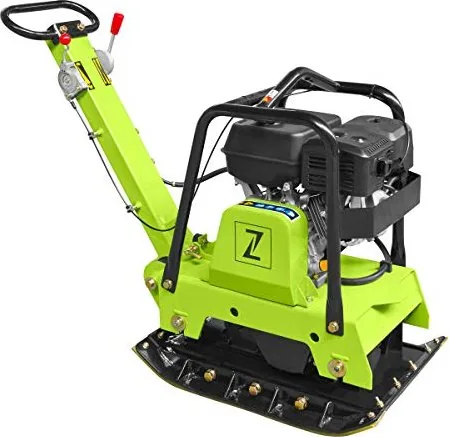
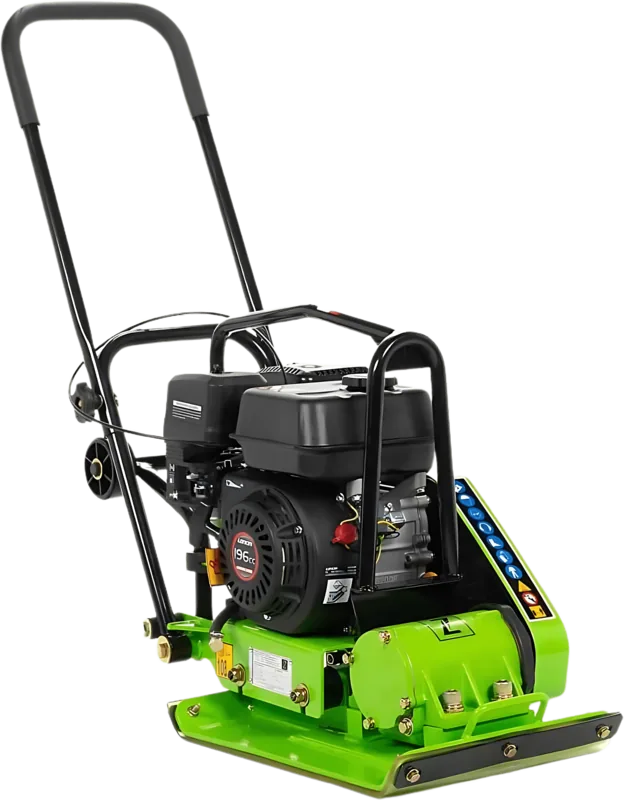
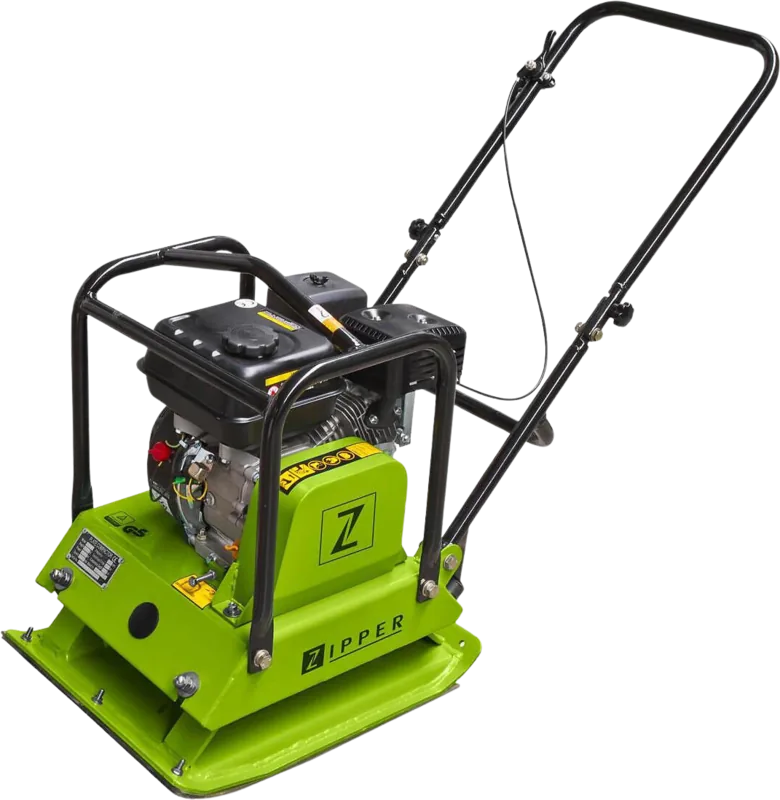
Mastering Soil Compaction with the Zipper ZI-RPE 160C
When working on construction sites or professional landscaping projects, achieving optimal soil compaction is crucial for long-term stability and safety. The Zipper ZI-RPE 160C Gasoline Vibratory Plate Manual guides operators through the safe and efficient use of this powerful machinery designed for demanding environments. This professional-grade vibratory plate compactor is specifically intended for compacting granular soils such as gravel, sand, and mixtures thereof. It is also highly suitable for vibrating paving stones and bricks on small to medium-sized surfaces effectively.
Performance Specifications That Matter
The machine features a robust 1-cylinder 4-stroke OHV engine with a displacement of 270 cm³ and delivers a solid 6.0 kW of power. It generates a significant centrifugal force of 30.5 kN with vibration shocks reaching 4000 per minute. This ensures deep compaction of soil layers up to 500 mm deep. The feed rate can reach a maximum of 25 meters per minute, making it efficient for various professional tasks. Operators must adhere strictly to the safety guidelines outlined in the documentation to prevent injury or costly equipment damage during operation.
Safety and Operational Protocols
Safety is paramount when handling heavy combustion engines on site. The manual emphasizes checking oil levels before starting to prevent engine failure due to lack of lubrication. Users must operate the machine outdoors or in well-ventilated areas to avoid carbon monoxide poisoning risks. Personal protective equipment like certified ear protection and vibration-dampening gloves is mandatory due to high noise levels and prolonged vibration risks. The machine includes transport wheels for easy mobility and allows precise forward and backward movement via a dedicated lever system.
Maintenance and Care for Longevity
Regular maintenance extends the lifespan of the equipment and ensures consistent performance over time. Users should check the V-belt tension, air filter condition, and spark plug health regularly according to the schedule. Oil changes for both the engine and exciter unit are critical steps in the servicing plan to avoid internal wear. The first 20 operating hours require specific care to ensure the engine breaks in correctly without stress. Proper storage involves draining fuel and oil systems if the machine remains unused for extended periods to prevent degradation.
Essential Notes for Operators
Always ensure the working surface is stable before engaging the compactor. Avoid operation on slopes exceeding 20 degrees to prevent tipping or engine strain. Never attempt to operate the machine on frozen soil or asphalt surfaces as specified in technical restrictions. Following the detailed guidelines ensures warranty compliance and maximum productivity on every job site. Remember that health issues can arise from vibration so regular breaks are necessary.
Search for 67,706 Manuals online


Type-in Brand or Model