
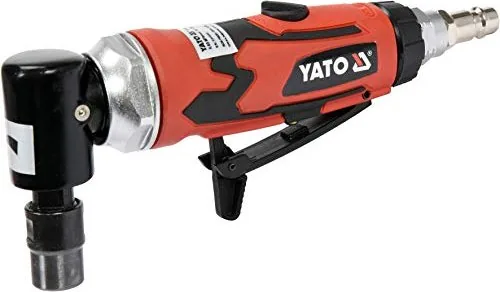
Yato YT-09676 Manual
PDF manual · 88 Pages
English



Quick check
Incorrect answer, please try again.
Chat with your Yato YT-09676 manual using AI
Get instant AI answers from your Yato YT-09676 manual
Ask anything about the Yato YT-09676. Answers come from this manual, with the pages they are based on.
YT-09676 Maintenance Schedule
Have the tool inspected by qualified personnel in a repair shop every 6 months or after 100 operating hours. Increase frequency if used without recommended air supply system.
Inspect the state of the air filter and lubricator. Clean the filter or refill oil in the lubricator if necessary to ensure proper tool operation.
Apply a small amount of SAE 10 oil into the air inlet and run the tool briefly to distribute the lubricant inside.
Verify that no pneumatic system components are damaged. Check hoses and fittings for looseness or damage before connecting the tool.
Free maintenance reminders
Timed to your purchase date. Always free, unsubscribe anytime.
Ask a Question
Do you recommend YT-09676?
Yes NoDo you recommend YT-09676?
Yes NoFrequently Asked Questions
The maximum working pressure is 0.63 MPa. Ensure your supply does not exceed this limit to avoid damage.
Is this answer helpful?
Lubricate the air inlet with SAE 10 oil before use. Clean internal parts with WD-40. Inspect monthly and have professional service every 100 hours.
Is this answer helpful?
You need a hose with 10 mm internal diameter and a filter lubricator unit. Use only recommended cutting and grinding wheels.
Is this answer helpful?
Yes, vibration is 1.4 m/s2. Wear gloves and keep hands warm. Stop usage if you feel numbness or tingling in fingers.
Is this answer helpful?
No. Do not modify the pneumatic tool. Modifications reduce efficiency and safety, and increase operator risk.
Is this answer helpful?
The required air flow is 113 liters per minute. Ensure your compressor can meet this demand at 6.2 bar.
Is this answer helpful?
Use WD-40 for cleaning but not as final lubricant. Never use gasoline or solvents as they can damage seals and cause fire.
Is this answer helpful?
Advantages and Disadvantages
Advantages

- Lightweight at only 0.48 kg for reduced fatigue
- High rotational speed of 20,000 RPM for fast work
- Powerful pneumatic drive with consistent torque
- Simple maintenance with standard oil requirements
- Adjustable speed control for different materials
Disadvantages

- High noise level requires hearing protection
- Vibration may cause hand discomfort over time
- Requires a powerful air compressor for best results
- Sensitive to moisture needs dry air supply
- Strict safety protocols required for safe use
Product Specification
Type
Die grinder
Operating pressure
91.37 psi
Air consumption
3.99 CFM
No-load speed
20,000 RPM
Tool holder
Collet (0.24 in), Spindle thread M14
Features
Speed control, Soft grip
Weight
16.93 oz
Product Description
Yato YT-09676 Pneumatic Stick Sander Review
In the world of industrial tools, precision and reliability are key. The Yato YT-09676 Pneumatic Stick Sander Manual provides detailed steps for users to operate this unit safely. This pneumatic grinder is powered by compressed air, ensuring continuous power without motor overheating. It is suitable for cutting and grinding various materials using cutting and grinding wheels. The design focuses on delivering consistent torque through air pressure regulation. The tool is compatible with standard pneumatic systems.
Technical Performance Data
The unit is remarkably lightweight at 0.48 kilograms. This balance makes it easy to maneuver for detailed work. It achieves a maximum of 20,000 rotations per minute. Such speed is ideal for fast material removal. It operates at a maximum working pressure of 0.63 MPa. The air connection diameter is 1/4 inch or 6.3 mm. Users must use a hose with an internal diameter of 10 mm. The required air flow is 113 liters per minute to maintain performance. Noise levels reach 103 dB(A).
Safety Protocols and Hazards
Exposure to vibration may cause permanent damage to nerves in hands. Keep hands warm in low temperatures to avoid numbness. If pain or tingling occurs, stop usage. High noise levels mandate hearing protection. Vibration levels are noted at 1.4 m/s2, requiring care to prevent repetitive strain injury. Operators must avoid loose clothing to prevent entanglement. Eye protection is non-negotiable due to flying sparks and debris. Do not use tools over your head without a helmet. Ensure the air outlet is directed away from dust clouds to minimize explosion risks. Exposure to fumes can cause long term health issues. Wear respiratory protection when grinding specific materials. Air under pressure can cause injury if directed at people. Always shut off air supply before changing accessories. Never use a damaged tool as it increases risk of injury.
Maintenance and Care
Proper care extends the life of the sander. Before use, dry moisture from the compressor and tool. Lubricate the air inlet with SAE 10 oil. Use WD-40 for cleaning internal parts but not as final lubricant. Check the filter monthly. If the tool slows down, check compressor capacity. Never carry the tool by its hose. Replace damaged equipment immediately to prevent serious injury. Inspect the tool for visible damage before each use. Drivers and holders must remain clean. Every six months or 100 hours, have it inspected by a pro. Do not use gasoline for cleaning. Solvents can soften seals. Ensure the tool stops completely before putting it down. Use recommended accessories only. Do not modify the tool. Modifications reduce safety.
Final Considerations
Following the Yato YT-09676 Pneumatic Stick Sander Manual is essential. It ensures compliance with safety standards. The tool is not for explosive zones. Check all accessories for cracks before mounting. Wait for complete stop before setting down. This device offers industrial-grade performance for professional tasks. Regular inspections every 100 hours are recommended. Proper maintenance ensures longevity and safe operation for years.
Search for 67,732 Manuals online


Type-in Brand or Model