
Yamaha THR100H Manual
PDF manual · 25 Pages
English



Quick check
Incorrect answer, please try again.
Chat with your Yamaha THR100H manual using AI
Get instant AI answers from your Yamaha THR100H manual
Ask anything about the Yamaha THR100H. Answers come from this manual, with the pages they are based on.
Ask a Question
Do you recommend THR100H?
Yes NoFrequently Asked Questions
It is a guitar amp head designed to deliver versatile tones with modeled preamp and power-section behavior. It focuses on compact size, strong sound quality, and flexible control for stage, rehearsal, and direct use.
Is this answer helpful?
The amp includes five main voices: SOLID, CLEAN, CRUNCH, LEAD, and MODERN. These cover a wide tonal range, from clear and articulate sounds to thicker rock and high-gain textures.
Is this answer helpful?
No. It uses Yamaha’s VCM technology to simulate the behavior of different tube types and amp circuits. This helps it create responsive tones without using physical tubes in the design.
Is this answer helpful?
Yes. The PHONES and LINE OUT connections both include speaker simulation, so you can practice quietly or send a more cabinet-like signal to a mixer, interface, or recording setup.
Is this answer helpful?
The THR100HD supports two amp paths, so it can handle two guitars or two separate tones at once. This makes it useful for dual-player setups, split sounds, or richer performance options.
Is this answer helpful?
The amplifier must be matched to the cabinet’s impedance and power rating to avoid damage and get the best performance. Using the wrong settings can harm both the cabinet and the amp.
Is this answer helpful?
Advantages and Disadvantages
Advantages

- Wide range of amp voices from clean to high-gain tones.
- VCM-based modeling gives detailed control over feel and response.
- Built-in reverb, booster, and speaker simulation add convenience.
- USB and software support expand editing and firmware updates.
Disadvantages

- Requires careful cabinet impedance and power matching.
- Advanced customization depends on external utility software.
- Not a physical-tube design, which may matter to purists.
- The dual-channel model can be more complex to set up.
Product Specification
Type
Top
Instrument
Electric Guitar
Design
Modeling
Power
100W
Channels
1
Special Features
FX Loop, Amp Simulation, Speaker Simulation, Reverb, Effects, USB, Balanced Out (XLR), Headphones (3.5mm Jack)
Dimensions
17.52x3.74x9.76in (WxHxD)
Weight
7.94lb
Product Description
Yamaha THR100H: Compact Power, Classic Tone, and Flexible Control
If you want a guitar head that blends classic amp character with modern convenience, the Yamaha THR100H is a compelling choice. Designed for players who care about touch response, tonal detail, and practical stage use, it aims to deliver the feel of a serious tube setup without the bulk. The result is a compact amplifier that works equally well for rehearsal, recording, and live performance.
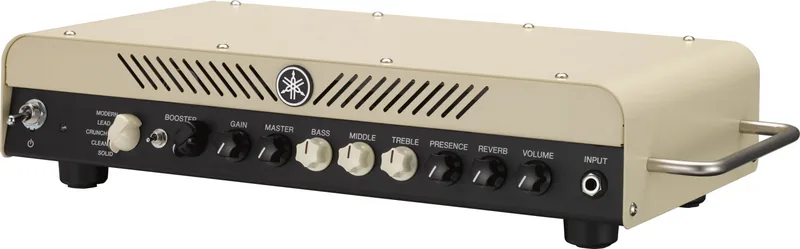
One of the biggest strengths of this series is Yamaha’s VCM technology, which models the behavior of preamp and power sections with impressive flexibility. Instead of locking you into a single voice, the amp lets you shape everything from clean sparkle to aggressive modern drive. The available amp types cover SOLID, CLEAN, CRUNCH, LEAD, and MODERN, giving players a broad palette for blues, rock, metal, and everything between.
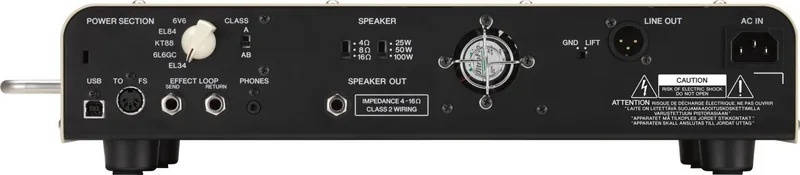
The Yamaha THR100H Manual highlights another major advantage: the power section can be tailored through selectable tube-style simulations and Class A or Class AB operation. That means you can chase softer compression, more headroom, or a more immediate, touch-sensitive response depending on the sound you want. Add in the built-in booster, reverb, and speaker simulation, and the amp becomes a full tonal workstation rather than just a simple head.
For players who record direct or use headphones, the LINE OUT and PHONES outputs are especially useful. Both paths include speaker simulation, helping create a more natural, cabinet-like sound without needing a mic setup. The THR100HD version goes even further with dual-channel flexibility, allowing two guitars or two amp voices to run at once, which makes it practical for duo performances or layered tones.
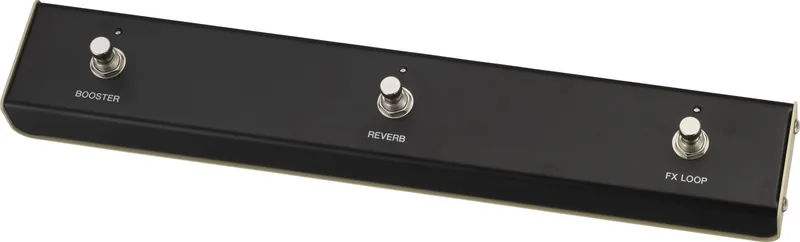
There is also a strong emphasis on control and integration. The rear-panel effect loop, footswitch support, USB connection, and THR HD_H Utility software expand the amp far beyond its front-panel knobs. You can fine-tune reverb type, booster style, noise gate settings, and more, making it easy to adapt the amp to different venues and playing styles.
Notes
- Match cabinet impedance and power handling carefully.
- Use the correct speaker cable, not an instrument cable.
- Advanced settings are available through Yamaha’s software tools.
- Good ventilation is important for reliable operation.
Search for 67,706 Manuals online


Type-in Brand or Model