
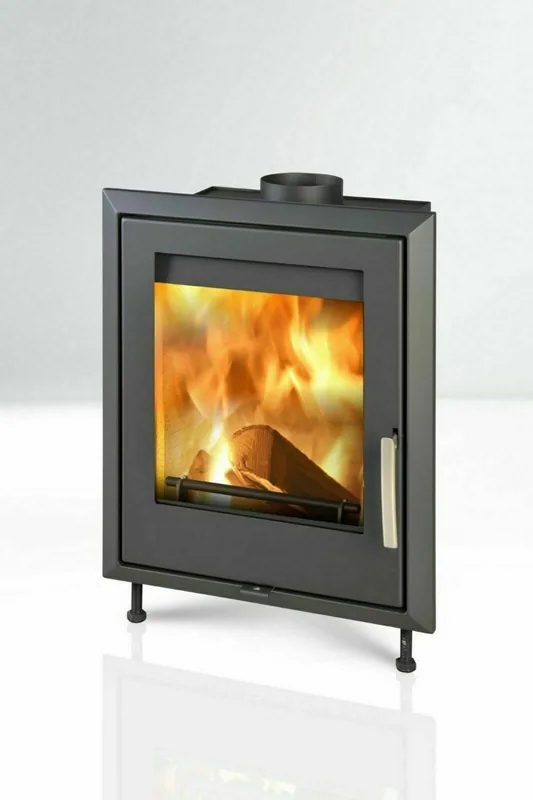
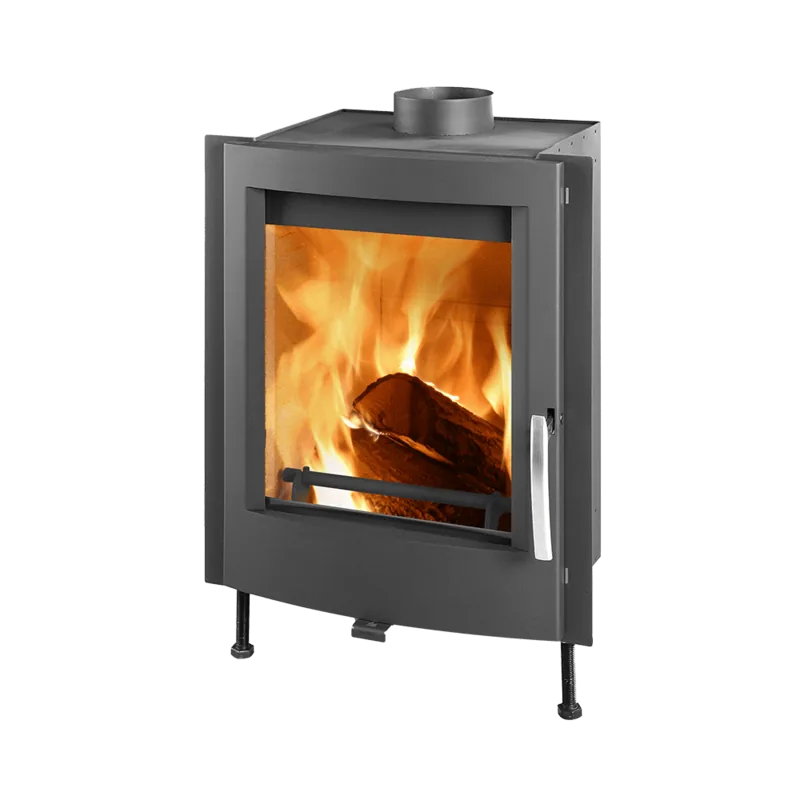
Thorma Alicante Manual
PDF manual · 29 Pages
English



Quick check
Incorrect answer, please try again.
Chat with your Thorma Alicante manual using AI
Get instant AI answers from your Thorma Alicante manual
Ask anything about the Thorma Alicante. Answers come from this manual, with the pages they are based on.
Alicante Maintenance Schedule
Inspect the smoke tube and bend for ash buildup at least once a month and clean if required.
Remove the smoke tube and clean it outside. Clean the combustion waste area with a steel brush and vacuum cleaner. Ensure all parts are reinstalled before use.
Free maintenance reminders
Timed to your purchase date. Always free, unsubscribe anytime.
Ask a Question
Do you recommend Alicante?
Yes NoFrequently Asked Questions
It is designed for dry hardwood and approved brown-coal briquettes. The manual strongly warns against wet wood, treated wood, waste, paper for normal burning, and any fuel not listed as allowed. Dry fuel helps reduce tar buildup and smoke issues.
Is this answer helpful?
The unit is rated at 8 kW. That makes it suitable for local space heating and for supporting other heating systems during colder periods. Its real performance depends on chimney draft, fuel quality, and correct airflow settings.
Is this answer helpful?
Yes. The manual advises having a competent chimney sweep inspect the connection and confirm safe installation. Proper chimney draft, flue sizing, and local code compliance are essential for safe and efficient operation.
Is this answer helpful?
No. The door must remain closed during operation. Opening it while burning can reduce safety, disturb combustion, and affect other appliances connected to the same chimney.
Is this answer helpful?
The insert needs a steady supply of combustion air. Without enough fresh air, performance drops and smoke may spill into the room. The manual recommends window ventilation or a dedicated outside-air opening.
Is this answer helpful?
Ash should be removed regularly, and smoke tubes and bends should be checked at least monthly. The full appliance and flue should be cleaned as needed, usually one or more times per heating season depending on use.
Is this answer helpful?
Advantages and Disadvantages
Advantages

- 8 kW rated output suits practical room heating.
- Supports both dry hardwood and brown-coal briquettes.
- High efficiency with wood offers solid fuel economy.
- Clear safety and maintenance guidance improves usability.
Disadvantages

- Requires a proper chimney draft of 10 Pa to work well.
- Needs regular ash removal and periodic cleaning.
- Only dry, untreated fuel is allowed, which limits flexibility.
- Installation must follow strict clearance and ventilation rules.
Product Specification
Type
Fireplace insert
Nominal heat output
27,297 BTU/h
Color
black
Fuel
Wood, lignite briquettes
Room heating capacity
up to 5120.63 ft3
Capacity
Log length 9.84in
Efficiency
>82.3%
Mounting type
Built-in appliance
Dimensions
24.02x32.87x15.35in (WxHxD)
Combustion chamber
14.37x16.93x11.02in (WxHxD)
Flue pipe connection
5.91in (Diameter)
Weight
138.89lb
Product Description
Thorma Alicante Fireplace Insert Manual
The Thorma Alicante Fireplace Insert is a solid-fuel heating solution designed for practical, local warmth and seasonal support. Built for wood and brown-coal briquettes, it combines a compact footprint with a rated output of 8 kW, making it a useful choice for homes that need dependable heat without a large heating system. The manual for the Thorma Alicante Fireplace Insert emphasizes not just performance, but also correct installation, ventilation, and regular care as the foundation for safe everyday use.
One of the most notable strengths of this insert is its balance between efficiency and simplicity. When fired with dry hardwood, it can reach high efficiency, while briquettes offer a strong alternative fuel option. The unit uses a sealed firebox, vermiculite lining, cast-iron grate, and ash box to support steady combustion and cleaner operation. Its glass-ceramic door lets you enjoy the flame while keeping the fire chamber closed during operation, which is important for both safety and chimney performance.
Installation guidance is detailed for a reason: the appliance needs proper chimney draft, sufficient room air, and enough clearance from combustible materials. The manual highlights the importance of a qualified chimney sweep, a correctly sized flue connection, and fresh-air supply for combustion. For homeowners, this means the insert is not just a decorative feature, but a real heating appliance that depends on good planning and respect for safety rules.
In daily use, the insert is designed for controlled burning rather than overloading. The airflow settings, fuel limits, and ash handling instructions help the appliance work efficiently while reducing wear. Regular cleaning of the smoke path, ash box, and glass keeps the unit performing well and helps avoid common issues such as smoke backflow, soot buildup, or overheating. The product is especially appealing to users who want a traditional fireplace feel with more structured operation and better thermal consistency.
Notes
- Use only dry, natural wood or approved briquettes.
- Keep all air supplies open during operation.
- Clean ash and smoke passages regularly for stable performance.
- Always follow local chimney and fire-safety regulations.
Search for 67,732 Manuals online


Type-in Brand or Model