
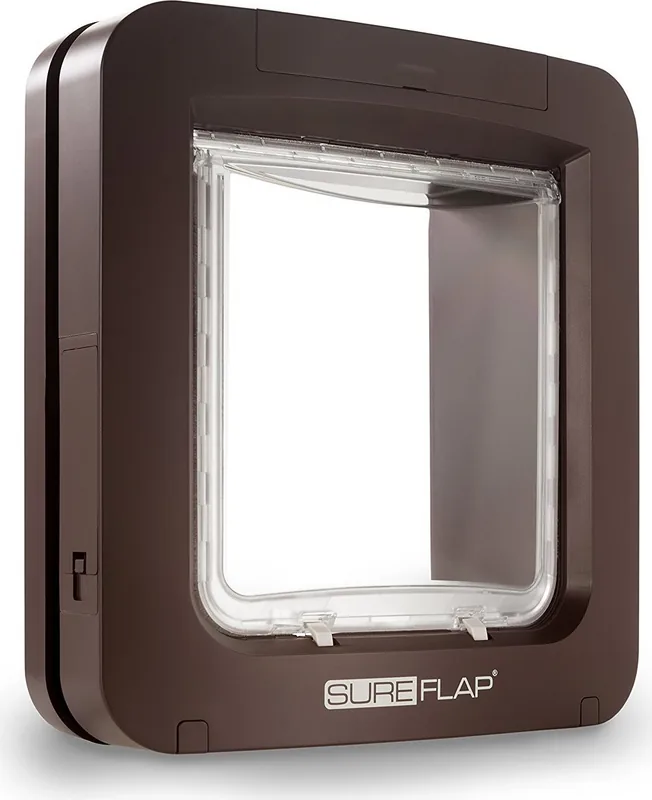
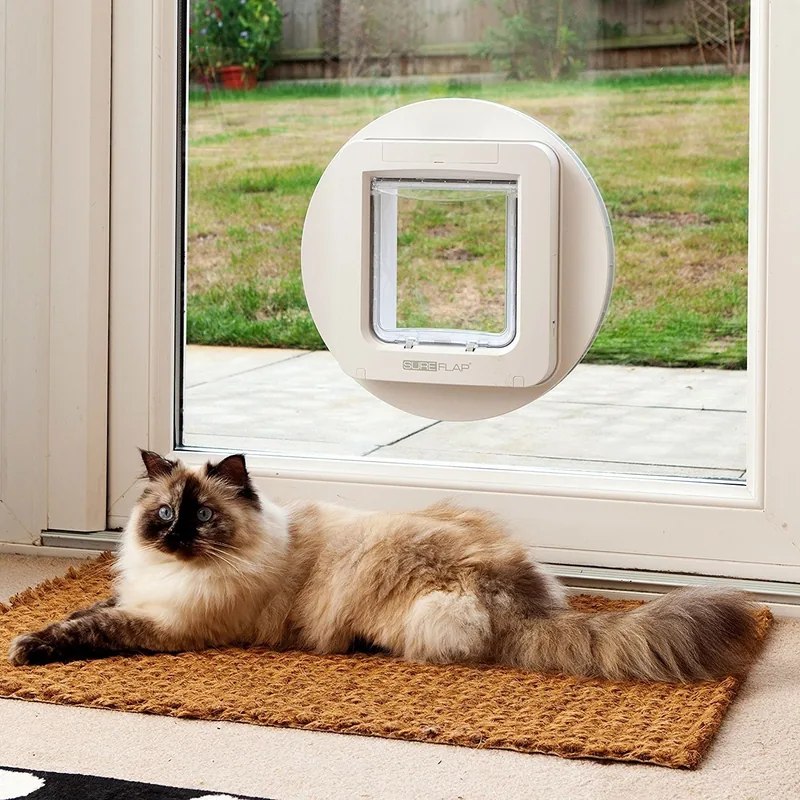
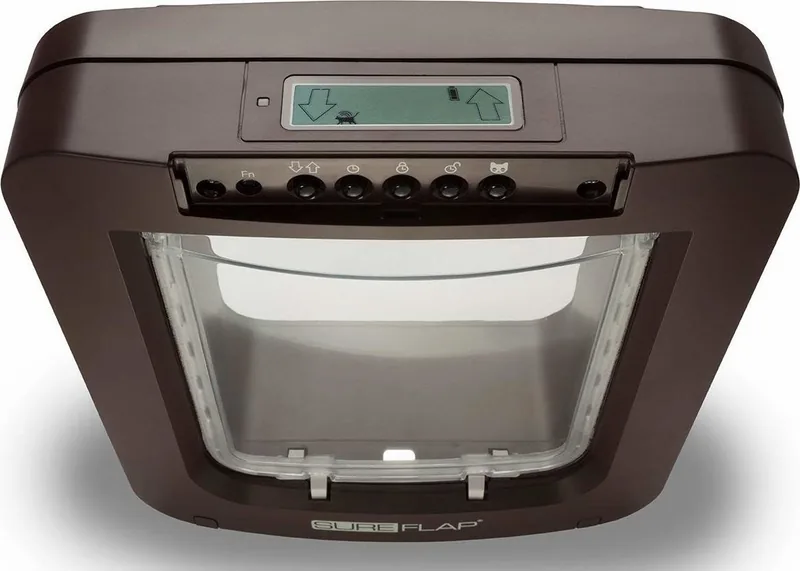
Sure Petcare SureFlap Microchip XL Manual
PDF manual · 212 Pages
English



Quick check
Incorrect answer, please try again.
Chat with your Sure Petcare SureFlap Microchip XL manual using AI
Get instant AI answers from your Sure Petcare SureFlap Microchip XL manual
Ask anything about the Sure Petcare SureFlap Microchip XL. Answers come from this manual, with the pages they are based on.
SureFlap Microchip XL Maintenance Schedule
Wipe the optical sensor lenses on the inside roof of the tunnel with a damp cloth every couple of months to prevent unreliable operation.
For brown units, ensure the silver reflective sticker at the bottom of the tunnel is kept free from dirt or replaced if missing.
Clean all pet hair from the top draught excluder regularly to prevent lens obstruction and battery drain.
Free maintenance reminders
Timed to your purchase date. Always free, unsubscribe anytime.
Ask a Question
Do you recommend SureFlap Microchip XL?
Yes NoFrequently Asked Questions
It reads your pet’s unique microchip ID, or an RFID collar tag if you use one. Once the ID is stored in memory, the flap opens only for recognized pets, helping block unfamiliar animals from entering.
Is this answer helpful?
Yes. The XL format is intended to provide a more comfortable pass-through for bigger pets while keeping the same selective-entry security features. It is a practical choice when a standard flap feels too small.
Is this answer helpful?
Yes. The flap can store multiple pet IDs, making it suitable for households with several cats or small pets. Each pet is learned individually, and the stored information remains even if the batteries are removed.
Is this answer helpful?
Yes, it can also work with a Sure Petcare RFID collar tag. This is useful if a pet is not microchipped, though microchips are generally preferred because they are permanent and cannot be lost.
Is this answer helpful?
It includes normal operation, in-only, out-only, fully locked, and curfew mode. These options let you control access based on schedule, safety needs, or training requirements.
Is this answer helpful?
Check the door or wall for metal, confirm your pet fits comfortably through the opening, and test the flap with your pet before making permanent cuts. This helps avoid installation problems later.
Is this answer helpful?
Keep the tunnel, sensor area, and reflective parts clean, use quality batteries, and watch for low-battery warnings. Regular maintenance helps maintain reliable opening and closing over time.
Is this answer helpful?
Advantages and Disadvantages
Advantages

- Selective entry helps keep unwanted animals outside while letting recognized pets in.
- Supports multiple pet IDs, making it a strong choice for multi-pet households.
- Curfew and custom modes add useful control for routines, training, and security.
- Works with implanted microchips or an RFID collar tag for added flexibility.
Disadvantages

- Installation can be time-consuming and may require tools, careful measuring, or professional help.
- Metal doors and walls can reduce reader performance and may need special mounting steps.
- Battery-powered operation means regular battery checks and replacements are necessary.
- Some timid pets may need gradual training before they feel comfortable using the flap.
Product Specification
Type
Cat Flap
Note
Recognizes animals by their implanted chip or via a chip tag on the collar.
Product Description
Sure Petcare SureFlap Microchip XL Pet Flap Brown
The Sure Petcare SureFlap Microchip XL Pet Flap Brown is designed for pet owners who want a smarter, more secure way to manage access in and out of the home. Built around microchip recognition, it allows trusted pets to enter while helping keep stray animals and unwanted visitors outside. The brown finish gives it a subtle, practical look that blends well with many doors and interior styles.
A smarter way to protect your home
This pet flap works with commonly used 9-, 10-, and 15-digit microchips, and it can also be paired with an RFID collar tag if needed. Once your pet’s ID is stored, the flap responds automatically, opening only for recognized animals. That means less worry, less supervision, and a calmer routine for both you and your pet.
The XL design is especially appealing for larger pets or households that want a more comfortable pass-through opening. The generous tunnel and selective entry system make it suitable for daily use without feeling cramped or complicated. It is a practical upgrade for homes that need both freedom and control.
Features that support everyday use
One of the strongest advantages of this model is its flexibility. It includes multiple locking options, including in-only, out-only, fully locked, and curfew mode, so you can adjust access based on time of day or your pet’s needs. The learn function also makes setup simple, even if you have more than one pet.
Installation is supported across several surfaces, including wood, plastic, glass, metal, and walls, though the instructions stress careful measuring and proper tools. The manual also highlights the importance of keeping the tunnel clean, checking for metal interference, and using good-quality batteries for reliable performance.
Why pet owners like it
Beyond access control, the flap is built for convenience. It stores multiple pet IDs, offers a low battery indicator, and is designed for long battery life under normal use. For homes with timid pets, the custom modes can slow the locking action and help them adjust more comfortably.
Notes
- Test your pet’s fit before permanent installation.
- Check for metal in doors or walls before cutting.
- Clean the tunnel and sensor area regularly for best results.
- The collar tag is a backup option, but microchipping is the preferred solution.
Search for 67,732 Manuals online


Type-in Brand or Model
Klara Weiss
8 months ago
Can I install the pet flap in a wooden door and will my shy cat actually use it, especially after the RFID chip is programmed?
Manual.ly
8 months ago
Yes. Customers report smooth function and easy installation even in wooden cellar doors. If your cat is hesitant, help them adjust by leaving the flap open for a while so they can explore safely. You can also use an attractive scent (for example, cat-attractants such as catnip or valerian) to build positive associations. Once the RFID chip is programmed, it should work reliably, so the right pet can pass through without issues.