
Supermicro X11SSV-M4 Manual
PDF manual · 98 Pages
English


Quick check
Incorrect answer, please try again.
Chat with your Supermicro X11SSV-M4 manual using AI
Get instant AI answers from your Supermicro X11SSV-M4 manual
Ask anything about the Supermicro X11SSV-M4. Answers come from this manual, with the pages they are based on.
Ask a Question
Do you recommend X11SSV-M4?
Yes NoFrequently Asked Questions
It is best for compact server, edge computing, virtualization, media, and remote-managed systems where efficiency, reliability, and a small footprint matter most.
Is this answer helpful?
It supports up to 32GB of DDR4 ECC SO-DIMM memory. Using matched modules of the same type and speed helps maintain stable performance and interleaved memory operation.
Is this answer helpful?
Yes. It includes IPMI and BMC-based management features, which help monitor system health, temperatures, fan status, and voltage levels even when the OS is not running.
Is this answer helpful?
The board offers four SATA 3.0 ports, an M.2 slot with SATA and NVMe support, and a mini PCI-E slot that can support compatible storage or expansion devices.
Is this answer helpful?
Yes. It includes BIOS recovery and ME recovery jumper options, along with watchdog and CMOS clear functions to help restore operation after configuration or firmware problems.
Is this answer helpful?
Cooling is important because CPU TDP and chassis airflow affect reliability. The board supports power-loss recovery settings and multiple fan headers for controlled thermal management.
Is this answer helpful?
Advantages and Disadvantages
Advantages

- Compact 6.7-inch design fits small server and embedded builds.
- Supports ECC DDR4 SO-DIMM memory for reliability and stability.
- IPMI, BMC, and health monitoring improve remote system management.
- Flexible storage and I/O include M.2, SATA 3.0, USB 3.0, and PCIe x16.
Disadvantages

- Limited memory capacity compared with larger workstation boards.
- Only one PCIe x16 slot may restrict heavy expansion needs.
- DVI-A output is analog only, so modern display options are limited.
- Best used by technicians; setup may be complex for casual users.
Product Specification
Chipset
Intel C236
Header Lighting
N/A
Audio
N/A
Wireless
N/A
RAID Level
0/1/5/10 (C236)
Multi-GPU
Multi-GPU
Lighting
N/A
USB Notation
Link
Product Description
Supermicro Skylake-H: Compact Server-Grade Performance
The Supermicro Skylake-H Manual introduces a small but highly capable motherboard platform designed for system builders who need dependable performance in a space-saving layout. Built around Intel Xeon E3-1500 v5 processors and the Intel C236 chipset, it balances efficiency, manageability, and expansion in a form factor that fits modern edge, workstation, and light-server deployments.
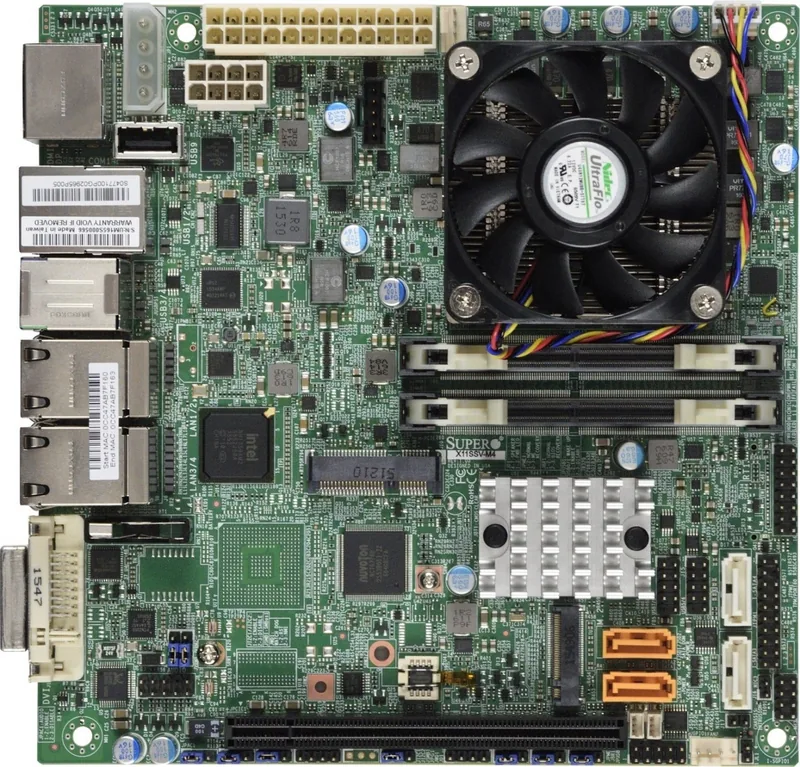
What stands out first is how much capability is packed into such a compact board. It supports up to 32GB of DDR4 ECC SO-DIMM memory, giving it the reliability expected in professional environments while keeping power usage and footprint low. The onboard IPMI management tools, BMC support, and health monitoring features make it especially attractive for remote administration, where visibility into temperatures, fan behavior, and voltage stability matters every day.
The connectivity mix is also practical. With PCIe 3.0 x16, M.2 storage support, mini PCI-E, four SATA 3.0 ports, USB 3.0, and multiple Gigabit Ethernet ports, this board is built to handle flexible storage and networking needs without unnecessary complexity. It is a good fit for media acceleration, virtualization, web hosting, and compact cloud appliances, especially where reliable uptime is more important than flashy extras.
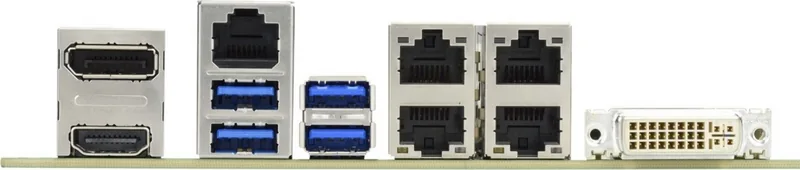
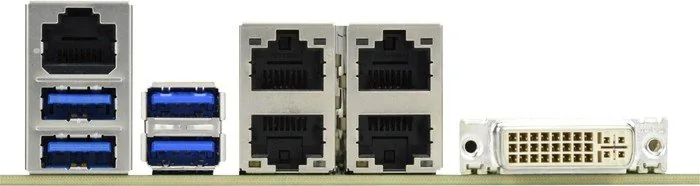
Another strong point is the attention to system control. BIOS recovery options, watchdog support, AC power-loss behavior, and detailed jumper settings give integrators the tools they need to fine-tune deployments. The onboard graphics output through DVI-A and the inclusion of multiple management-oriented headers make it clear that this platform was designed with real-world serviceability in mind.
For businesses and advanced users, the appeal lies in the combination of Intel architecture, Supermicro’s hardware management ecosystem, and long-term stability. It is not trying to be a consumer-style motherboard; instead, it focuses on practical features that matter in professional systems where consistency, monitoring, and efficient operation are top priorities.
Notes
- Best suited for compact server, appliance, or embedded-style builds.
- Use matched memory modules for the most stable operation.
- Check cooling and TDP limits before selecting a processor.
- Remote management features are a major advantage in unattended systems.
Search for 67,706 Manuals online


Type-in Brand or Model