
Stanley SXPW17E/18E/20E/22E Manual
PDF manual · 280 Pages
English



Quick check
Incorrect answer, please try again.
Chat with your Stanley SXPW17E/18E/20E/22E manual using AI
Get instant AI answers from your Stanley SXPW17E/18E/20E/22E manual
Ask anything about the Stanley SXPW17E/18E/20E/22E. Answers come from this manual, with the pages they are based on.
SXPW17E/18E/20E/22E Maintenance Schedule
Check before each use and at regular intervals that screws are fully tightened and there are no broken or worn parts.
Inspect the inlet filter (L) and detergent filter if fitted. Clean in accordance with instructions if necessary.
Disconnect the lance from the nozzle and remove any dirt deposits from the nozzle hole using the provided tool (C1).
Treat the appliance with non-corrosive, non-toxic antifreeze before storing it away for winter in a dry place protected from frost.
Ask a Question
Do you recommend SXPW17E/18E/20E/22E?
Yes NoFrequently Asked Questions
Yes, you can connect directly to the mains drinking water supply if the supply hose is fitted with a backflow preventer valve conforming to EN 12729 type BA. Water passing through backflow preventers is considered non-potable.
Is this answer helpful?
Exercise extreme caution. Do not point the jet straight at tires. Always use the lowest pressure setting and keep the jet at least 30 cm away from pressurized components like tyre valves to prevent damage or injury.
Is this answer helpful?
In case of lengthy stoppages, limescale may cause seizing. Use the provided tool to rotate the drive shaft with a tool inserted into the rear hole to unjam the motor safely.
Is this answer helpful?
Available models include SXPW17E, SXPW17PE, SXPW18E, SXPW18PE, SXPW20E, SXPW20PE, SXPW22E, and SXPW22PE. Each varies slightly in power and pressure specifications.
Is this answer helpful?
No. The warranty covers materials and construction defects. It explicitly excludes defects caused by improper use, misuse, negligence, hire, or failure to comply with maintenance instructions.
Is this answer helpful?
Check for air in the system or clogged nozzles. Clean the filter and nozzle. If drawing from an external tank, switch to mains water supply. Reduce temperature if inlet water is too hot.
Is this answer helpful?
Advantages and Disadvantages
Advantages

- High pressure capability up to 11.5 MPa for effective cleaning of stubborn dirt
- Multiple power models ranging from 1.7 kW to 2.2 kW for varied needs
- Safety features including thermal protection and overload cutout
- Detergent tank included for easy application of cleaning solutions
Disadvantages

- Guaranteed sound power level reaches 93 dB requiring hearing protection
- Water suction height limited to 0.5 meters when using open containers
- Electrical connection must be performed by a qualified electrician
- Warranty excludes normal wear and tear on accessories and seals
Product Specification
Operating Mode
Cold Water
Inlet Temperature
max. 122°F
Mobility
Wheeled
Product Description
Welcome to Your Ultimate Cleaning Guide for the Stanley Electric High-Pressure Washer
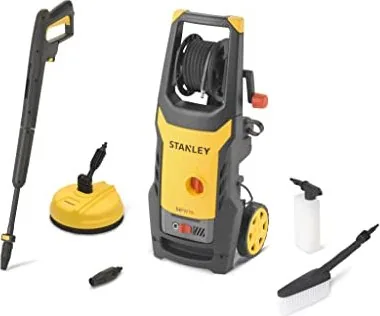
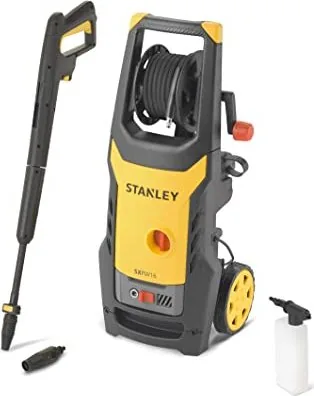
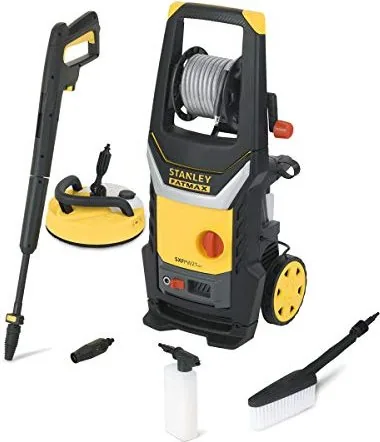
When tackling tough outdoor cleaning jobs, having reliable equipment is absolutely crucial for achieving professional results quickly and efficiently. The Stanley Electric High-Pressure Washer represents a robust industrial-grade solution designed for both professional contractors and serious domestic homeowners. Whether you choose the compact SXPW17 series or the powerful SXPW22 models, these machines deliver exceptional performance for washing vehicles, boats, machinery, and removing stubborn dirt from masonry walls.
Technical Specifications and Performance Metrics
These heavy-duty units come with varying power ratings ranging from 1.7 kilowatts to 2.2 kilowatts to suit different intensity requirements across various job sites. The maximum operating pressure reaches up to 11.5 megapascals depending on the specific model you purchase and require. With standard flow rates between 5.33 and 5.5 liters per minute, users can expect highly efficient rinsing capabilities even in larger outdoor areas or commercial settings. The inclusion of a dedicated detergent tank allows for applying specialized biodegradable cleaners effectively before high-pressure rinsing begins the process. Adjustable nozzles provide necessary flexibility for different cleaning tasks without causing accidental surface damage during operation.
Critical Safety and Maintenance Protocols
Operating high-pressure equipment requires strict adherence to comprehensive safety protocols to prevent injury or property damage. The device includes advanced thermal protection and an overload cutout mechanism to prevent internal damage during continuous operation over long periods. Users must ensure the water supply is connected properly, ideally using a certified backflow preventer when linked to mains drinking water systems locally. Always disconnect the power cord before performing any maintenance tasks such as cleaning the nozzle tip or refilling oil levels. Regular inspections of hoses and fittings ensure no dangerous leaks occur during intense pressure cycles in daily use.
Troubleshooting and Long Term Storage Solutions
If the pump does not reach its working pressure, check if the nozzle is worn out or the inlet filter has become heavily fouled. Air trapped in the system often causes pulsating issues and can be resolved by depressing the gun trigger until a steady water flow returns consistently. For cold weather storage, treat the appliance with non-corrosive antifreeze to protect internal metal components from freezing damage. Store accessories neatly in their designated box to prevent loss and transport the unit securely on a stable cart to avoid mechanical shocks. Following these detailed procedures ensures your machine remains in top condition for years of reliable service every single day.
Search for 67,732 Manuals online


Type-in Brand or Model