Manual.ly Logo

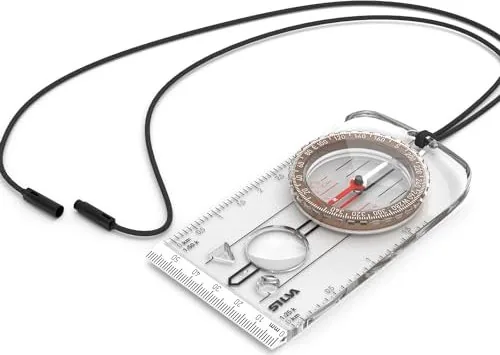
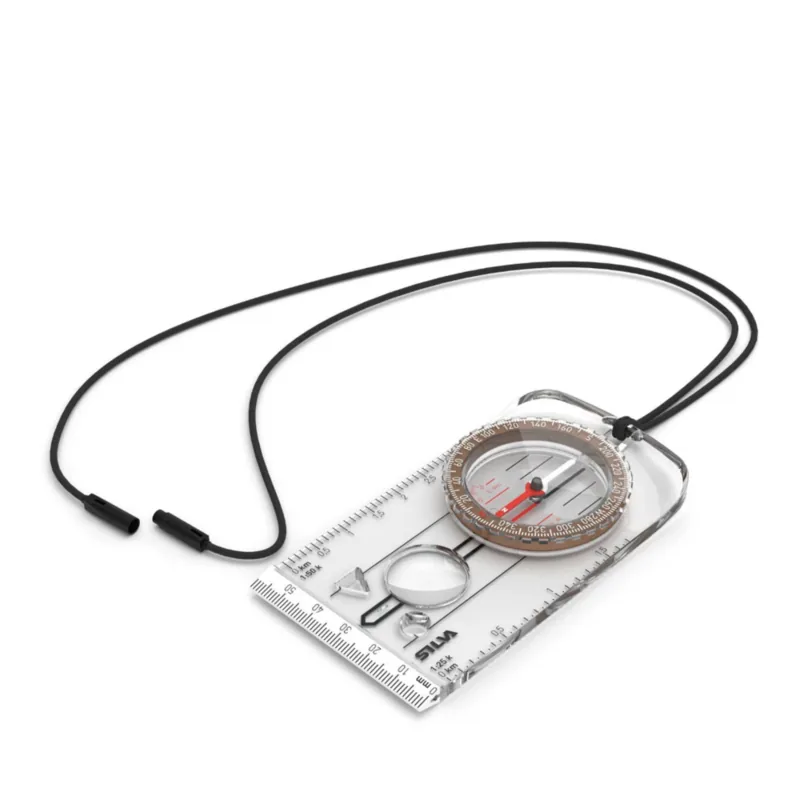
Silva 3NL-360 Manual

0.0 · 0 Ratings

PDF manual · 3 Pages

English

M: OA-GPT-54-NAN
page

/ 3

Loading...
40b74ec3665801a9a35203e6362feea73dc0 page 1
1
BASEPLATE
2
LIQUID FILLED CAPSULE
3
CLINOMETER *
4
DECLINATION SCALE (FIXED)
5
DECLINATION ADJUSTMENT *
6
COMPASS NEEDLE
7
TURNABLE COMPASS HOUSING (BEZEL)
8
GRADUATION RING / GRADUATION SCALE
9
ORIENTING LINES / ORIENTING ARROW (NORTH ARROW)
10
SCALES
11
INDEX LINE
12
STENCIL HOLE *
13
MAGNIFYING LENS *
14
DIRECTION OF TRAVEL ARROW
15
LUMINOUS MARKINGS/RING *
16
RUBBER FRICTION FEET *
COMPASS MANUAL
BASEPLATE COMPASSES
1
BASEPLATE COMPASSES
The baseplate compass is a practical, simple to use, liquid
filled compass that features a baseplate which is marked
with a red arrow pointing along the long axis, and a rotating
compass housing marked in degrees. Baseplate compasses
are ideal for taking quick bearings and map use.
4
6
9
5
12
10
2
7
8
11
13
15
14
3
16
BASIC
COMPASS FEATURES
HOW TO
NAVIGATE
EASY AS 
N
N
A
B
A
B
HOW TO
NAVIGATE
EASY AS

1-2-3
Place your compass on the map
and use the baseline to make a
straight line between your current
position and your destination.
Make sure that the direction-
of-travel arrow points towards
your destination.
1-2-3
Turn the compass housing until the
red part of the north/south arrow
is parallel with the map meridians,
and points north on the map.
1-2-3
Lift your compass from the map
and hold it horizontally in your
hand. Turn yourself and the
compass until the red end of the
needle is inside the red north/
south arrow. Now the direction-
of-travel arrow will point towards
your destination. Take a landmark
and start moving. Enjoy!
N
N
A
B
A
B
HOW TO
NAVIGATE
EASY AS

1-2-3
Place your compass on the map
and use the baseline to make a
straight line between your current
position and your destination.
Make sure that the direction-
of-travel arrow points towards
your destination.
1-2-3
Turn the compass housing until the
red part of the north/south arrow
is parallel with the map meridians,
and points north on the map.
1-2-3
Lift your compass from the map
and hold it horizontally in your
hand. Turn yourself and the
compass until the red end of the
needle is inside the red north/
south arrow. Now the direction-
of-travel arrow will point towards
your destination. Take a landmark
and start moving. Enjoy!

Place your compass on the map and
use the baseline to make a straight
line between your current position and
your destination.
Make sure Direction of Travel arrow
points towards your destination.

Turn the compass housing until the
red part of the north/south arrow is
parallel with the map meridians and
points north on the map.

Lift your compass from the map and
hold it horizontally in your hand. Turn
yourself and the compass until the red
end of the needle is inside the red north/
south arrow. Now the direction of travel
arrow will point towards your destina-
tion. Take a landmark and start moving.
Enjoy!
ORIENTING THE MAP TO NORTH
The easiest way to use a map and compass together is to
orient the map towards North. Simply align the map merid-
ians with the compass needle so that “up” on the map is
pointing North. Now everything on the map is in the same
direction as on the ground. When travelling along your route,
remember to keep the map oriented at all times. By doing
this it will be very easy to follow your route since turning right
on the map also means turning right on the ground! Properly
orienting the map is quick, easy and the best way to avoid
unnecessary mistakes during your trip!
THE SILVA  SYSTEM
MAGNETIC DECLINATION
When compass and map are used together it’s important to know the local
magnetic declination and how to compensate for it. Magnetic declination is the
dierence between Geographic North/True North (where the map meridians
point) and Magnetic North (where the North end of the compass needle points).
In areas with significant declination, adjustments must be made to walk a
correct bearing. Information concerning the amount and direction of magnetic
declination is shown on topographical maps with a diagram. Use an up-to-date
map for current declination.
Declination can be handled either with a fixed declination scale or declination
adjustment in the compass capsule. Read more further down in this manual.
BEFORE HEADING OUT
• Always check that your compass is functioning properly before heading out.
• Never expose your compass to extreme temperatures (high or low) or to mag-
netic fields such as knives, mobile phones, radio speakers, magnets etc. Such
exposure can cause permanent damage to the compass.
* Features may vary between
dierent compass models
N
N
A
B
A
B
HOW TO
NAVIGATE
EASY AS

1-2-3
Place your compass on the map
and use the baseline to make a
straight line between your current
position and your destination.
Make sure that the direction-
of-travel arrow points towards
your destination.
1-2-3
Turn the compass housing until the
red part of the north/south arrow
is parallel with the map meridians,
and points north on the map.
1-2-3
Lift your compass from the map
and hold it horizontally in your
hand. Turn yourself and the
compass until the red end of the
needle is inside the red north/
south arrow. Now the direction-
of-travel arrow will point towards
your destination. Take a landmark
and start moving. Enjoy!

Chat with your Silva 3NL-360 manual using AI

Get instant AI answers from your Silva 3NL-360 manual

Ask anything about the Silva 3NL-360. Answers come from this manual, with the pages they are based on.

Ask a Question

0/1000

Do you recommend 3NL-360?

Yes No

Frequently Asked Questions

A

It is best used for map-based navigation, quick bearings, route planning, and outdoor travel where a reliable baseplate compass is more useful than a simple directional tool.

Is this answer helpful?

A

Place the compass on the map, rotate the housing to match north, then turn your body until the needle sits inside the orienting arrow. The direction-of-travel arrow then points toward your destination.

Is this answer helpful?

A

Declination is the difference between true north and magnetic north. Correcting for it helps you follow a more accurate bearing instead of drifting off route.

Is this answer helpful?

A

Some versions are balanced for specific magnetic zones, while others use a global needle. You should check the model details before using it in a different region.

Is this answer helpful?

A

Depending on the version, it may include a clinometer, magnifying lens, stencil holes, map scales, luminous markings, and friction feet for better precision.

Is this answer helpful?

A

Keep it away from strong magnets, phones, speakers, and extreme temperatures. Avoid dropping it, store it safely, and check that it works properly before heading out.

Is this answer helpful?

M: OA-GPT-54-NAN

Advantages and Disadvantages

Advantages

  • Easy-to-learn 1-2-3 navigation system for fast map reading.
  • Clear baseplate design with useful scales and direction markings.
  • Liquid-filled capsule helps the needle settle quickly and accurately.
  • Declination correction options support more precise bearings.
  • Useful extras like a magnifier, clinometer, and luminous markings add versatility.
VS

Disadvantages

  • Some features vary by model, so not every compass has the same tools.
  • Zone-balanced models may not perform well outside their intended magnetic zone.
  • Declination setup can take practice for beginners.
  • Luminous markings need light exposure before they glow in the dark.
M: OA-GPT-54-NAN

Product Specification

Type

Compass

Colors

transparent

Dimensions

4.53x2.36x0.39in

Weight

0.08lb

M: OA-GPT-54-NAN

Product Description

Silva 3NL-360 Compass: A Reliable Tool for Map-Based Adventure

The Silva 3NL-360 Compass is built for hikers, travelers, scouts, and outdoor learners who want a simple way to turn a paper map into a confident route. With its transparent baseplate, rotating bezel, and liquid-filled capsule, it supports quick bearings without adding unnecessary complexity. If you value dependable navigation and a classic field-ready design, this compass fits naturally into a daypack or map kit.

Why it stands out

The compass follows Silva’s well-known 1-2-3 navigation system, which makes map work feel approachable. First, place the compass on the map and align the edge with your destination. Next, rotate the housing until north lines match the map meridians. Finally, hold the compass level and turn until the needle settles inside the orienting arrow. This method helps you move from map to terrain with less guesswork.

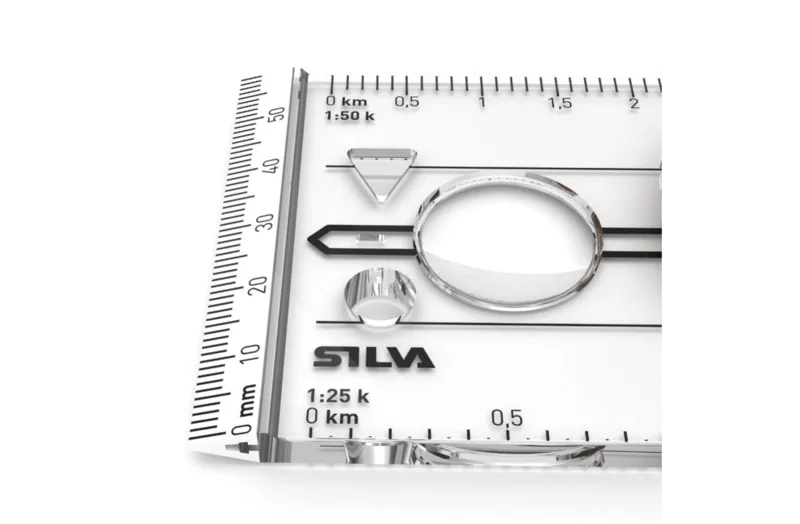
Its 360-degree graduation ring makes bearing readings easy to understand, while the fixed index line, direction-of-travel arrow, and orienting lines create a clear visual path. Many versions also include practical extras such as a clinometer for slope reading, map-measuring scales, a magnifying lens, stencil holes for marking routes, and luminous markings for low-light use. These details make the compass useful not only for basic direction finding, but also for more careful planning and route analysis.

Built for real outdoor use

The Silva 3NL-360 Compass is designed to feel stable and responsive in hand. The liquid-filled capsule helps the needle settle quickly, and the durable baseplate gives you a clear view of the map beneath it. Rubber friction feet can improve precision during map work, especially when you are measuring, drawing, or checking coordinates. The overall design is practical rather than flashy, which is exactly what many navigators prefer.

One of the most important strengths of this compass is its attention to magnetic declination. Because true north and magnetic north are not always the same, the compass provides correction options that help you set a more accurate bearing. That makes a real difference when you are navigating in areas with significant declination or working from topographic maps. Some models are balanced for specific magnetic zones, while others use a global needle for wider use across the world.

For anyone looking for a durable, map-focused navigation tool, the Silva 3NL-360 Compass combines clarity, accuracy, and thoughtful details in one compact package. It is a strong companion for everyday navigation, backcountry planning, and learning how to read the land with confidence.

Notes

  • Check declination before every trip.
  • Keep the compass away from magnets and electronics.
  • Use an up-to-date map for best results.
  • Store it carefully to protect long-term accuracy.
M: OA-GPT-54-NAN

© Copyright 2026 Manual.ly