

Free Schuberth Manuals – Read, Download & Print
3 Manuals
Manuals


Categories

Free Schuberth Manuals - Read, Download & Print
Find the Right Schuberth Manual for Your Gear
Looking for a Schuberth manual? This page helps riders, drivers, technicians, and equipment owners locate useful documentation for Schuberth products in one convenient place. Whether you need setup instructions for a motorcycle helmet, operating information for a communication system, care guidance, replacement part details, or safety recommendations, manuals are an essential resource for using your equipment correctly.
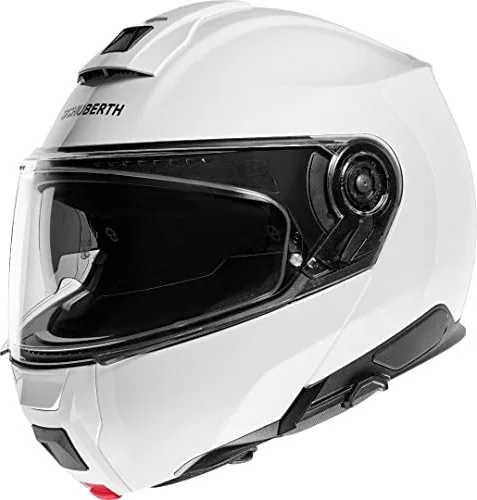
Schuberth is widely known for producing premium protective headgear and related accessories. Its product range may include motorcycle helmets, modular helmets, full-face helmets, open-face helmets, racing helmets, communication units, visors, pinlock inserts, interior padding, and other helmet components. Each model can have specific features, controls, maintenance requirements, and compatibility details. Reading the correct manual helps ensure you understand these features before use.
Read Schuberth Manuals Online
Online manuals make it easy to review important information whenever you need it. Instead of searching through paperwork or trying to remember a control sequence, you can open the relevant guide and check the instructions directly from a phone, tablet, or computer.
A Schuberth user manual may explain how to:
- Identify the helmet model and available features
- Select the correct size and achieve a secure fit
- Operate a chin bar, sun visor, ventilation system, or face shield
- Install and remove visors or pinlock lenses
- Use integrated communication system controls
- Pair a compatible Bluetooth device
- Charge, update, and maintain electronic accessories
- Remove and reinstall interior liners and cheek pads
- Clean helmet surfaces without causing damage
- Inspect the helmet for wear, damage, or aging
- Understand safety labels, warnings, and limitations
Reading the manual before first use is particularly important for helmets and communication accessories. A product may look straightforward, but the correct adjustment method can make a significant difference in comfort, operation, and long-term reliability.
Download Manuals for Offline Access
Downloading a Schuberth manual gives you a copy that can be stored on your device for quick reference. This is useful when traveling, riding in areas with limited connectivity, working in a garage, or preparing for a track day. A saved PDF can also be searched for terms such as "visor," "battery," "pairing," "cleaning," or "warranty" to help you find the needed section quickly.
Before downloading, confirm that the guide matches your exact product. Product names may appear similar while having different mechanisms, accessories, or software functions. Check the model name, production series, revision number, helmet size range, and communication system version when this information is available.
For example, a guide for one modular helmet may not apply to another modular model, even if both have sun visors or integrated communication support. Likewise, an instruction booklet for a communication controller may differ according to generation, firmware, or regional version. Using the correct documentation reduces the risk of following outdated or incompatible instructions.
Print Important Instructions
Printing a manual can be helpful for riders and workshops that prefer a physical reference. A printed copy is convenient when servicing equipment, replacing a visor, cleaning a liner, fitting an accessory, or teaching another person how to use a product. You may choose to print the full guide or only the pages that cover frequently used tasks.
Consider printing sections such as:
- Helmet fitting and retention system instructions
- Emergency release system information, where applicable
- Visor and pinlock installation steps
- Communication system pairing instructions
- Battery charging and storage guidance
- Cleaning and care recommendations
- Troubleshooting charts
- Safety warnings and replacement criteria
Keep printed pages in a clean, dry location. If you place instructions in a garage, workshop, or luggage compartment, use a folder or sleeve to protect them from moisture, oil, dust, and sunlight.
Helmet Fit, Safety, and Everyday Use
A Schuberth helmet manual typically includes detailed fitting information. Proper fit is vital because a helmet must sit securely and remain stable during normal movement. A helmet that is too loose may shift, while one that is too tight can cause discomfort and pressure points. The manual can explain how to position the helmet, fasten the chin strap, test retention, and identify signs that another size or interior configuration may be needed.
Always follow the manufacturer's safety guidance. Helmets are designed for a specific purpose and should not be modified in ways that could affect protection, visibility, ventilation, or retention. Avoid drilling holes, repainting the shell with unapproved products, attaching unsuitable accessories, or using solvents that may damage materials.
Manuals may also explain that helmets should be inspected after an impact or accident. Damage is not always obvious from the outside. Cracks, deformation, damaged straps, worn fasteners, loose components, or compromised energy-absorbing material can affect performance. When in doubt, consult the product documentation and contact an authorized dealer or manufacturer support channel.
Visors, Sun Shields, and Pinlock Systems
Face shields and internal sun visors are among the most frequently used helmet features. A manual can show how to open, close, remove, clean, and reinstall these components. It may also provide details about compatible replacement visors, approved cleaning methods, and adjustment procedures.
Use only cleaning products recommended for helmet visors and shells. Abrasive cloths, strong chemicals, gasoline, alcohol-based products, and household cleaners may scratch surfaces or damage coatings. In many cases, lukewarm water, a soft cloth, and mild soap are recommended, but always check the specific manual for your model.
If your helmet uses a pinlock anti-fog insert, the instructions can help you install it correctly and adjust its tension if required. A properly fitted insert can improve visibility in cool, wet, or changing weather conditions. However, it should be kept clean and inspected for scratches, damage, or poor sealing.
Communication System Instructions
Many riders use Schuberth-compatible communication systems for navigation prompts, music, phone calls, rider-to-rider communication, and intercom functions. Communication manuals are useful for initial installation, pairing, button operation, voice commands, charging, firmware updates, and troubleshooting.
Before using a communication unit, review the safety guidance for operating electronic equipment while riding. Set up your device, routes, contacts, volume preferences, and pairing connections before starting your trip whenever possible. Keep volume at a level that allows awareness of traffic, warning signals, and surrounding conditions.
If pairing does not work, the manual may recommend steps such as charging the unit, restarting the device, clearing previous pairings, checking Bluetooth settings, moving devices closer together, or installing the latest approved firmware. Exact procedures can vary by model, so refer to the specific guide instead of relying on instructions for another unit.
Cleaning, Storage, and Maintenance
Regular care can help keep Schuberth equipment comfortable, functional, and presentable. Manuals often describe how to remove interior pads, wash removable liners, clean ventilation channels, inspect seals, and care for moving parts. Follow drying instructions carefully before reinstalling any fabric components.
Store helmets in a cool, dry place away from direct sunlight, excessive heat, fuel vapors, and harsh chemicals. Do not leave a helmet in locations where temperatures can become extreme, such as inside a closed vehicle for long periods. Avoid placing heavy objects on top of the helmet, and do not hang it by the chin strap if that could strain components or cause it to fall.
Check moving parts periodically. Visor pivots, chin bar mechanisms, vents, straps, buckles, and communication mounting points should operate smoothly and remain secure. If a part is worn, loose, damaged, or difficult to operate, consult the relevant manual for inspection and replacement information.
Troubleshooting Common Questions
A manual can save time when a feature does not appear to work as expected. Common questions include why a visor will not lock, how to remove cheek pads, why a communication unit will not pair, how to replace a battery cover, or how to reset a device. Troubleshooting sections often provide simple checks before professional service is needed.
When reviewing troubleshooting guidance, use genuine or approved replacement parts whenever possible. Accessories and components that do not fit correctly can affect comfort, function, and safety. If a repair involves structural helmet parts, retention systems, electronic damage, or impact-related concerns, seek advice from an authorized Schuberth service provider.
Choose the Correct Manual
To locate the most useful Schuberth documentation, start with the product label, packaging, purchase record, or model marking inside the helmet. Record the complete model name and any version details. Then select the manual that corresponds to that product rather than choosing a guide based only on appearance.
The right manual provides reliable information for reading online, downloading for later, or printing for practical use. Keep it available throughout the life of your helmet or accessory. From first fitting and daily operation to cleaning, accessory installation, and troubleshooting, Schuberth manuals are a valuable reference for informed, responsible product use.
Search for 67,706 Manuals online


Type-in Brand or Model