
Schneider Electric TeSys D LC1D Manual
PDF manual · 2 Pages
English



Quick check
Incorrect answer, please try again.
Chat with your Schneider Electric TeSys D LC1D manual using AI
Get instant AI answers from your Schneider Electric TeSys D LC1D manual
Ask anything about the Schneider Electric TeSys D LC1D. Answers come from this manual, with the pages they are based on.
Ask a Question
Do you recommend TeSys D LC1D?
Yes NoFrequently Asked Questions
The unit is rated for 11 kW at 400 V AC3, suitable for high torque applications.
Is this answer helpful?
The specified model features a 48 V AC coil, ensuring safe low-voltage control.
Is this answer helpful?
Yes, users must disconnect all power before servicing to avoid arc flash or shock hazards.
Is this answer helpful?
UL and CSA lighting ratings confirm suitability for specific ballast and tungsten loads.
Is this answer helpful?
Precise torque values must be followed to ensure reliable electrical connections.
Is this answer helpful?
Yes, hermetic refrigeration compressor specific purpose ratings are included for cold storage.
Is this answer helpful?
Maximum power consumption stays below 9.5 VA, contributing to cooler operation.
Is this answer helpful?
Advantages and Disadvantages
Advantages

- High durability for demanding industrial environments
- Supports heavy-duty 11 kW power capacity
- Adheres to strict international safety standards
- Optimized thermal management prevents overheating
- Versatile coil options for safe control circuits
Disadvantages

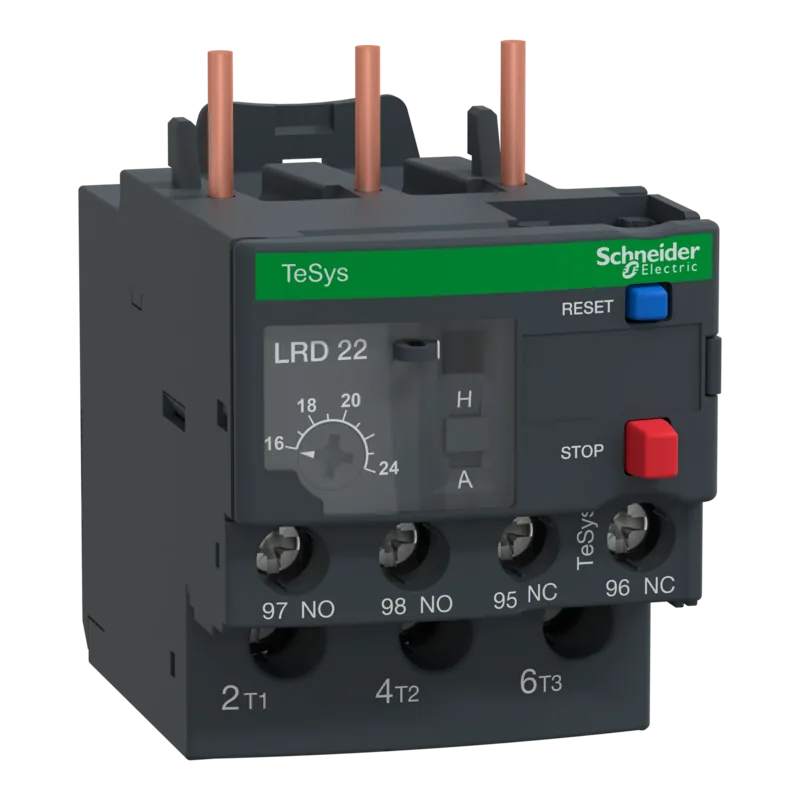
- Requires specific overload relay series for motor protection
- Strict safety warnings mandate proper training
- Limited DC coil availability for certain models
- Needs precise torque settings for installation
Product Specification
Type
Other
Product Description
Industrial Control Reliability with Schneider Electric LC1D
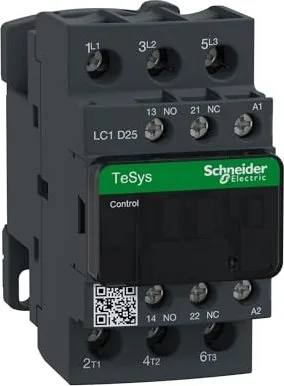
The Schneider Electric LC1D 3P, +1NC+1NO, 11 kW, 25 A, 400 V AC3, Coil 48 V AC Magnetic Contactor stands as a pinnacle of industrial switching technology. Designed for robust performance in demanding environments, this contactor ensures seamless control over three-phase motors. Its configuration supports heavy-duty applications where reliability is paramount. The 25 ampere rating allows it to handle significant loads while maintaining efficiency during continuous operation. Industrial facilities often require components that withstand thermal stress without degradation, and this model meets those expectations through rigorous engineering standards. The design prioritizes longevity to minimize replacement cycles and ensure consistent uptime.
Key Performance Characteristics
Operating at 400 V AC3, this unit delivers consistent power management across diverse industrial loads. The 11 kW capacity makes it suitable for various machinery requiring high starting torque and sustained running power. Users appreciate the versatile coil options, specifically the 48 V AC control voltage which ensures safe operation in low-voltage safety circuits. The auxiliary contacts provide flexibility for signal transmission and interlocking sequences within control panels. This level of detail allows engineers to design complex control loops without compromising safety margins or system responsiveness. Thermal management is optimized to prevent overheating during peak usage periods and ensures stable operation. Compatibility with standard overload relays further simplifies system integration. The contactor mechanism is designed for high electrical cycle counts.
Safety and Compliance Standards
Safety remains the top priority for Schneider Electric Industries SAS. The device adheres to international standards including GB 21518. Users must observe strict wiring guidelines to prevent equipment damage or personal injury. Fire or electric shock risks exist if instructions are ignored during installation. The UL and CSA lighting ratings confirm suitability for specific lighting loads, while hermetic refrigeration compressor ratings ensure longevity in cold storage environments. Regular inspection is recommended after any fault interruption to ensure no thermal damage has occurred to internal components. These measures safeguard both the machinery and the operators involved in the manufacturing process.
Installation and Maintenance
Proper installation involves tightening terminal screws to specified torque values to ensure reliable electrical connections. The wiring diagrams indicate precise gauge requirements for copper conductors ranging from different AWG sizes. Efficiency grades classify the product under energy saving protocols to minimize heat generation within the control cabinet. Maximum power consumption stays below 9.5 VA, contributing to cooler operation in tight electrical enclosures. Maintenance professionals should disconnect all power before servicing to avoid arc flash hazards or electrical shock. This proactive approach protects personnel and extends the lifespan of the contactor module significantly. Always follow the technical data provided during setup to maintain warranty validity. Torque specifications must be adhered to prevent loose connections.
In conclusion, integrating this magnetic contactor into your system enhances operational stability and reduces unexpected downtime. Its proven track record across various industries confirms its value for critical infrastructure. Investing in quality components reduces repairs down the line and ensures consistent production output. The robust build quality justifies the investment for serious engineering projects requiring high reliability and safety.
Notes: Always verify local electrical codes before installation. Ensure overload relays are paired correctly for motor protection.
Search for 67,706 Manuals online


Type-in Brand or Model