
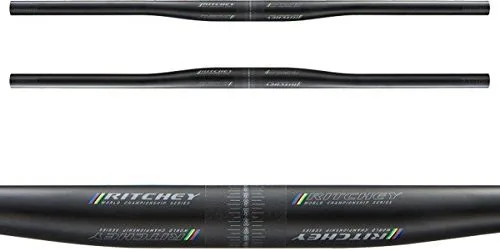
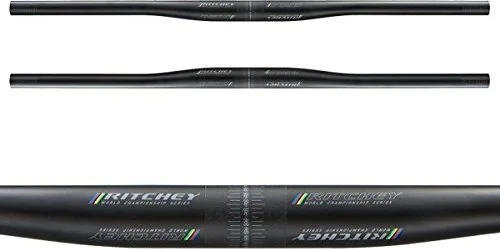
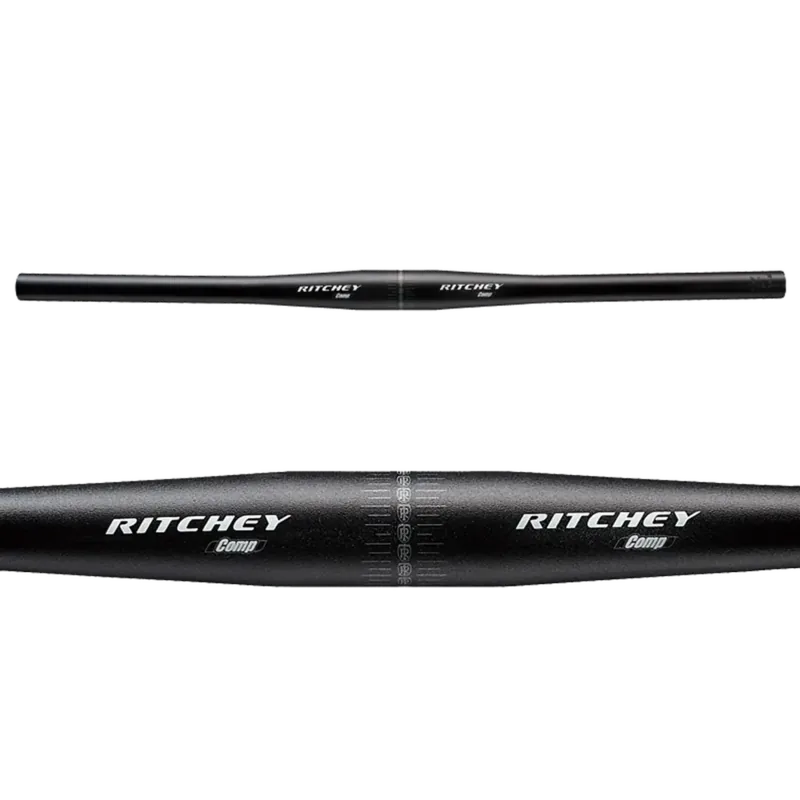
Ritchey WCS Carbon Flat Manual
PDF manual · 10 Pages
English



Quick check
Incorrect answer, please try again.
Chat with your Ritchey WCS Carbon Flat manual using AI
Get instant AI answers from your Ritchey WCS Carbon Flat manual
Ask anything about the Ritchey WCS Carbon Flat. Answers come from this manual, with the pages they are based on.
WCS Carbon Flat Maintenance Schedule
Before every ride, check that the stem is secure on the fork steerer and the handlebar is secure in the stem.
Once a year, remove handlebar tape, clean the bar with water and mild liquid soap, and inspect for damage or corrosion. Replace damaged or corroded bars immediately.
After about three years, have the handlebar, stem, and bar ends carefully inspected by a Ritchey dealer and replaced if necessary.
After the initial check, inspect the installation condition and bolt torque at least every 1,500 km or 75 operating hours.
Free maintenance reminders
Timed to your purchase date. Always free, unsubscribe anytime.
Ask a Question
Do you recommend WCS Carbon Flat?
Yes NoFrequently Asked Questions
It is intended for normal mountain bike, cross-country, trekking, road, triathlon, and cyclocross-style applications where the component and complete bike are suitably matched. It is not designed for downhill, freeride, dual slalom, jump use, or similarly severe riding.
Is this answer helpful?
No. Do not cut, drill, file, or otherwise modify a carbon MTB handlebar. The reinforced control-clamp areas and carbon fiber structure can be compromised by modification, creating a safety risk and potentially voiding warranty coverage.
Is this answer helpful?
Always follow the torque marking on the stem and handlebar. The source guidance lists 5 Nm as the maximum for many Ritchey four-bolt stem faceplates. Tighten bolts gradually in a cross pattern and maintain even gaps between the faceplate and stem body.
Is this answer helpful?
Ritchey Liquid Torque is recommended on clean, grease-free carbon clamping surfaces where compatible. It increases friction and can reduce the clamp force required. Do not use grease on a carbon clamp interface, and never exceed the specified torque limit.
Is this answer helpful?
Stop riding if you notice cracks, dents, deep scratches, discoloration, creaking, or other damage. Carbon can be internally damaged without obvious bending. Have the handlebar and cockpit inspected by a qualified mechanic after a crash or strong impact, and replace damaged parts.
Is this answer helpful?
Check the handlebar and stem before every ride. Recheck bolt torque after the first 100 to 300 km or 5 to 15 operating hours, then at least every 1,500 km or 75 operating hours. Regular professional inspection is also recommended as components age.
Is this answer helpful?
Advantages and Disadvantages
Advantages

- Carbon construction supports a lightweight, responsive mountain bike cockpit.
- Flat profile offers direct steering input and an efficient riding position.
- Designed for typical MTB and cross-country use when installed with compatible parts.
- Compatible with torque-controlled installation and assembly compound for secure clamping.
Disadvantages

- Not intended for downhill, freeride, dual slalom, jumps, or severe-condition use.
- Carbon damage may be internal or difficult to see after an impact.
- Cannot be cut, drilled, reshaped, or repaired without risking failure.
- Requires careful torque control, clean clamp surfaces, and regular inspection.
Product Specification
Type
Flat bar
Width
22.83 in
Handlebar clamp diameter
1.25 in
Rise
0 in
Sweep
0 degrees up, 5 degrees back
Weight
4.76 oz
Product Description
Ritchey WCS Carbon Flat MTB Handlebar Manual: Lightweight Control for Trail Riders
The Ritchey WCS Carbon Flat MTB Handlebar is built for riders who want a direct, precise connection to their mountain bike without adding unnecessary weight. Its carbon construction is designed to deliver a strong, responsive feel while helping reduce the overall weight of a performance-focused cockpit. A flat-bar profile supports an efficient riding position and offers the immediate steering input many cross-country and trail riders value.
Designed for confident handling
A quality handlebar influences far more than appearance. It affects steering accuracy, wrist comfort, control placement, and the way a bike responds on changing terrain. The Ritchey WCS Carbon Flat MTB Handlebar is intended for typical mountain bike use, including cross-country and trekking-style riding. It is not intended for severe disciplines such as downhill, freeride, dual slalom, or jump-heavy riding unless a component is specifically rated for those conditions.
The carbon structure combines low weight with high strength, but it requires careful treatment. Carbon may not visibly bend before failure, so impacts, deep scratches, cracks, discoloration, dents, or unusual creaking should always be taken seriously. Following the Ritchey WCS Carbon Flat MTB Handlebar Manual helps riders protect both the component and their safety on every ride.
Installation matters as much as performance
Correct compatibility is essential. The stem must match the handlebar clamp diameter exactly, and the bar should sit centered in the stem clamp with equal reach on both sides. Controls should have smooth, burr-free clamp surfaces to avoid marking or damaging the carbon. Never force incompatible parts together, drill the handlebar, or cut a carbon MTB handlebar to change its width.
Use a calibrated torque wrench and follow the torque value marked on the component. For many Ritchey four-bolt stem faceplates, the maximum recommended clamp torque is 5 Nm, tightened gradually in a cross pattern with even gaps at the faceplate. If the bar is not secure at the specified torque, do not exceed the limit. Check compatibility and consider using Ritchey Liquid Torque assembly compound on clean, grease-free clamping surfaces.
Care and ongoing checks
Clean the handlebar with water, mild soap, and a soft cloth. Avoid solvents, abrasive cleaners, extreme heat, and prolonged storage in intense sun. Inspect the cockpit before every ride, then recheck bolt torque after the first 100 to 300 km and at regular service intervals. Carbon cockpit components should also receive professional inspection after a crash or major impact.
Note: A clean, correctly torqued, compatible cockpit is essential for dependable steering control. Replace damaged carbon parts immediately rather than attempting a repair.
Search for 67,706 Manuals online


Type-in Brand or Model