
Ritchey WCS Alpine JB Manual
PDF manual · 8 Pages
English



Quick check
Incorrect answer, please try again.
Chat with your Ritchey WCS Alpine JB manual using AI
Get instant AI answers from your Ritchey WCS Alpine JB manual
Ask anything about the Ritchey WCS Alpine JB. Answers come from this manual, with the pages they are based on.
WCS Alpine JB Maintenance Schedule
Check wheel retention, tire condition and pressure, rim trueness, and brake function before setting off.
Clean with water and a soft cloth; use non-abrasive soap if needed. Inspect for cracks, scratches, dents, bends, and discoloration while cleaning.
Check pressure regularly and follow Ritchey recommendations. Ensure adequate pressure during winter storage.
Check rims regularly, for example whenever inflating tires, for wear, deformation, or hairline cracks.
Tires and tubes age and may reach end of life after about three years. Replace them if necessary.
Check rims, sprocket assembly bolts, and bearing play. Have wheels trued or bearings adjusted if necessary.
After the initial inspection, check at least every 2,000 km. Truing and bearing adjustment should be done by a skilled mechanic.
Have the wheelset checked and trued if necessary after run-in, at the latest after about 400 km.
Check brake-pad condition after every ride, especially on carbon brake tracks, and replace pads in time.
Have a dealer measure rim thickness no later than after the second set of brake pads. Replace rims if sidewall thickness is under 1 mm.
Replace the tube whenever mounting a new tire because tubes age and wear.
Free maintenance reminders
Timed to your purchase date. Always free, unsubscribe anytime.
Ask a Question
Do you recommend WCS Alpine JB?
Yes NoFrequently Asked Questions
Yes. The tire features a tubeless-ready folding bead and compatible casing that allow conversion to tubeless use when mounted on tubeless-compatible rims with proper tape, valve, and sealant.
Is this answer helpful?
It’s ideal for mixed-surface riding: fast road training, commuting, gran fondos, and light gravel. The 30mm width offers comfort and traction on rougher pavement while remaining efficient for longer rides.
Is this answer helpful?
Start with manufacturer guidelines and adjust for rider weight, rim inner width, and terrain. Lower pressures improve traction and comfort on rough surfaces; higher pressures favor rolling efficiency on smooth roads.
Is this answer helpful?
Yes. The WCS construction and reinforced sidewalls improve cut and puncture resistance, and running tubeless with sealant further reduces the likelihood and impact of small punctures.
Is this answer helpful?
Use rims that accept 700x30C tires. For tubeless use, ensure the rim is tubeless-compatible. Proper rim tape, valves, and sufficient bead seating capability are required for safe tubeless installation.
Is this answer helpful?
It’s likely heavier than ultra-race-specific tires because of its reinforced casing aimed at durability. The trade-off is better puncture protection and versatility for mixed-surface riding.
Is this answer helpful?
Check sealant every few months (frequency depends on climate and mileage) and inspect the tire before long rides for embedded debris, cuts, or bead damage to maintain reliability.
Is this answer helpful?
Advantages and Disadvantages
Advantages

- Tubeless-ready folding bead simplifies setup and reduces flat risk with sealant.
- 700x30C size offers a balanced mix of comfort and speed for mixed surfaces.
- WCS construction delivers lightweight feel with durable sidewalls and puncture resistance.
- Tread design combines low rolling resistance center with grippy shoulders for cornering.
- Versatile for training, commuting, gran fondos, and light gravel adventures.
Disadvantages

- Requires tubeless-compatible rims and sealant for full benefits.
- May be heavier than ultralight race-specific tires due to reinforced casing.
- Lower-pressure riding demands careful pressure selection to avoid rim strikes.
- Tubeless setup can be messy and needs periodic sealant maintenance.
- 30mm width may still feel narrow for very rough or technical gravel.
Product Specification
Type
Folding tire
Intended use
Cyclocross/Gravel
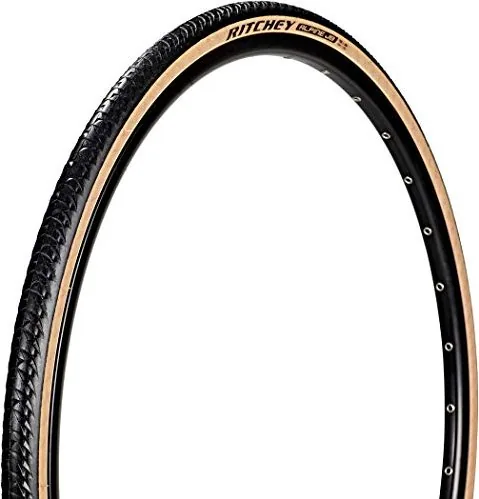
Tread color
black
Sidewall color
black
Size
700x30C
Casing
30 TPI
Weight
0.52 lb
Special features
tubeless ready
Product Description
Ritchey WCS Alpine JB 700x30C Tubeless Tire folding Manual
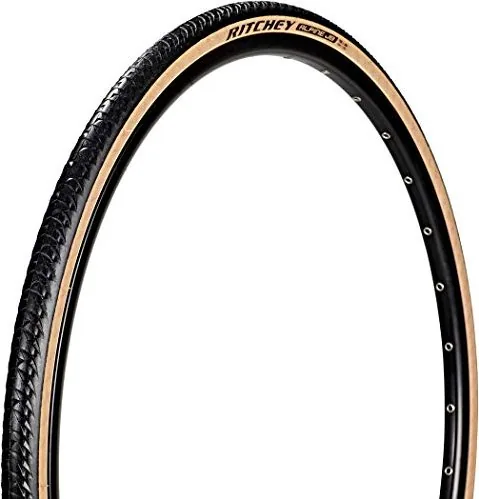
The Ritchey WCS Alpine JB 700x30C Tubeless Tire folding is a high-performance road and gravel tire engineered for versatility, puncture resistance, and smooth tubeless setup. Built to meet the demands of aggressive all-weather riding and mixed-surface adventures, it blends a supple folding casings with a modern tread profile tuned for grip and rolling efficiency. The 700x30C size balances comfort and speed, providing extra volume for lower pressures on rough roads while maintaining responsive handling for faster sections.
This tire uses Ritchey’s WCS-level construction and materials to deliver durable sidewalls and a light overall weight. The tubeless-ready bead and casing simplify conversion to a tubeless setup, letting riders run lower pressures for improved traction and fewer pinch flats. The tread features closely spaced center knobs for low rolling resistance and slightly more open shoulder tread for confident cornering in loose or wet conditions.
Ritchey designed the Alpine JB specifically to suit riders who need a dependable tire for training, commuting, gran fondos, and off-pavement detours. The folding bead makes transport and storage easier while the reinforced casing helps resist cuts from gravel or debris. Combined with a compatible tubeless rim and sealant, the tire seals quickly and holds pressure reliably for long rides.
Installation tips: mount with recommended rim tape, use an appropriate tubeless valve, add sealant per manufacturer guidance, and inflate progressively while seating the bead. Inspect the tire for bead seating and check for slow leaks before finalizing pressures.
Why choose this tire: it pairs the trusted Ritchey reputation with a contemporary tubeless-ready design, making it a great choice for riders seeking a single tire that handles mixed roads, light gravel, and variable conditions without sacrificing efficiency.
Notes:
- Tubeless setup improves puncture protection and comfort but requires proper rim compatibility and sealant.
- Recommended pressure depends on rider weight, rim width, and terrain—start lower for rough surfaces.
- Inspect casing and tread regularly for cuts, embedded debris, and bead integrity.
Search for 67,706 Manuals online


Type-in Brand or Model