

Free Quick Mill Manuals – Read, Download & Print
1 Manuals
Manuals
Categories

Quick Mill Manuals
Quick Mill manuals are essential reference guides for owners, technicians, and coffee enthusiasts who want to understand, operate, maintain, and troubleshoot Quick Mill espresso machines and related equipment. Whether you have just purchased a new machine or you are looking for guidance on a long-owned model, the manual is often the fastest way to learn the correct setup steps, brewing procedures, cleaning routines, and safety practices. Because Quick Mill is known for producing a wide range of espresso machines, grinders, and accessories, manuals can vary by model, but they all serve the same purpose: helping users get the best performance from their equipment.
Why Quick Mill Manuals Matter
A Quick Mill machine is a precision appliance. It combines water, heat, pressure, and electrical components in a compact system, which means that small mistakes can affect both the taste of your coffee and the lifespan of the machine. Manuals help users avoid common problems by explaining correct operation from the start. They typically cover installation, water filling, warming up, steaming, cleaning, and shutdown routines.
Better Performance and Taste
The quality of espresso depends on many factors, including water temperature, grind size, extraction time, and machine stability. A manual gives model-specific instructions that help users dial in the machine properly. This can improve shot quality, steam power, and consistency.
Safer Use
Espresso machines involve boiling water, pressurized steam, and electrical heating elements. The manual explains safe handling, recommended water sources, and precautions to reduce the risk of damage or injury.
Longer Equipment Life
Regular cleaning, descaling, and correct startup procedures can prevent wear and extend the life of pumps, boilers, seals, and valves. Manuals usually explain how often maintenance should be performed and what products are suitable.
What You Can Find in a Quick Mill Manual
Although each manual is written for a specific model, most Quick Mill manuals include similar sections designed to guide the user from first setup through daily use and maintenance.
Product Overview
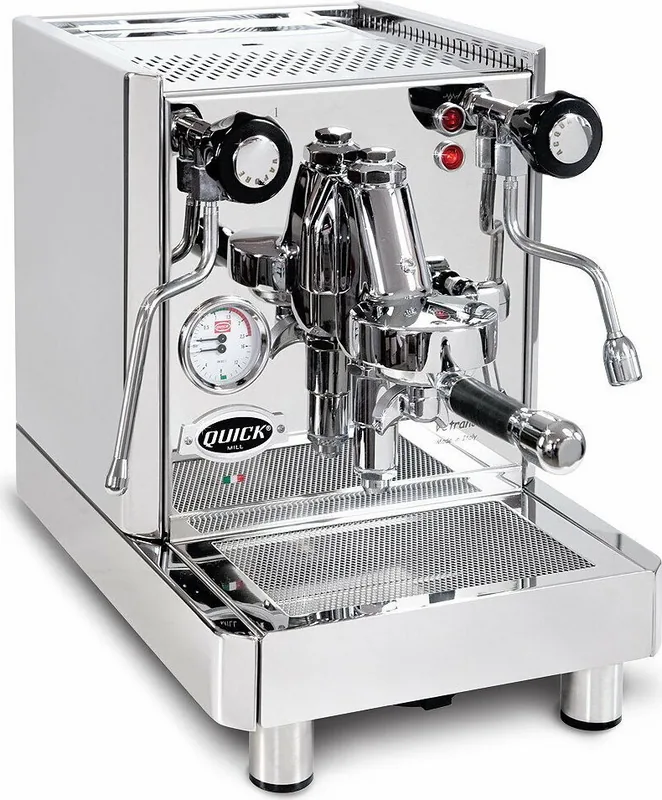
This section usually identifies the machine parts, controls, switches, indicators, reservoirs, portafilter components, and steam wand. It helps users understand how each piece fits into the brewing process.
Installation and First Setup
Manuals often explain how to unpack the machine, place it on a level surface, connect it to power, fill the reservoir, and prepare the unit for first use. Some models may also include notes about water hardness and filtration.
Brewing Instructions
The manual generally provides steps for making espresso, including preheating, grinding, dosing, tamping, locking in the portafilter, and extracting the shot. For machines with special features, such as PID temperature control or heat exchanger systems, the manual may include specific recommendations.
Steaming and Frothing
For milk-based drinks, the manual may explain how to use the steam wand safely and effectively. It can also cover purging the wand, positioning the pitcher, and cleaning after use.
Cleaning and Maintenance
Routine care instructions are one of the most important parts of any manual. These sections often describe backflushing, group head cleaning, drip tray maintenance, water tank care, descaling, gasket checks, and periodic service recommendations.
Troubleshooting
If a machine is not heating, brewing weak coffee, leaking water, or losing pressure, the manual may include a troubleshooting guide. These sections help users isolate the problem before contacting support or a technician.
Technical Specifications
Many manuals include voltage requirements, boiler capacity, pump type, dimensions, weight, and pressure settings. These details are especially useful for installation and compatibility checks.
How to Use a Quick Mill Manual Effectively
A manual is most helpful when used as an active reference rather than a document saved only for emergencies. Reading it carefully before the first brew can save time and prevent avoidable mistakes.
Start with the Setup Section
Before plugging in the machine or adding water, review the setup instructions. This ensures the unit is installed correctly and that any model-specific steps are completed in the right order.
Follow the Recommended Warm-Up Time
Many espresso machines need time to reach thermal stability. The manual usually specifies how long to wait before pulling a shot or steaming milk. Following this guidance improves consistency.
Use the Suggested Cleaning Schedule
Daily, weekly, and monthly maintenance tasks are often listed separately. Following these intervals helps keep the machine sanitary and functional. Skipping them can lead to buildup, clogging, or taste issues.
Keep the Manual Accessible
Store a digital copy on your phone or computer and keep a printed copy near the machine if possible. When a problem arises, the correct instructions are easier to find if the manual is readily available.
Finding the Right Manual for Your Model
Quick Mill produces many different machines, so it is important to use the correct manual for your exact model. Even machines that look similar may have different controls, boilers, or maintenance steps.
Check the Model Number
The model number is usually found on the machine body, packaging, or product label. Using the exact number helps ensure the manual matches your equipment.
Look for Revision Dates
Some manuals are updated over time. A newer revision may include improved diagrams, corrected instructions, or updated maintenance guidance.
Compare Features
If you are unsure which manual applies, compare the control layout, boiler type, and external design. A manual should match the actual machine features as closely as possible.
Common Topics Covered in Quick Mill Documentation
Quick Mill manuals often go beyond basic brewing instructions and provide detailed information for different kinds of users.
PID Temperature Control
Some models include a PID controller for precise temperature adjustment. Manuals explain how to interpret the display, adjust settings, and use the feature for more stable espresso extraction.
Heat Exchanger and Dual Boiler Systems
Machines with advanced heating systems may require different warm-up behavior or flushing routines. The manual explains these differences so users can operate the machine correctly.
Rotary or Vibratory Pumps
Pump type affects how the machine builds pressure and may influence noise, water supply requirements, and maintenance steps. Manuals often identify the pump and note its operating characteristics.
Water Reservoir and Plumbing
Some Quick Mill machines use a removable water tank, while others may support direct plumbing. Manuals clarify how to fill, connect, and maintain the water system.
Safety Features
Thermal protection, pressure relief valves, and automatic shutoff features may be described so users understand how the machine protects itself during operation.
Maintenance Tips Inspired by the Manual
Following the manual is the best way to keep a Quick Mill machine working well, but there are also a few general habits that support long-term reliability.
Use Good Water
Filtered water helps reduce scale buildup and improves flavor. Many manuals recommend specific water quality limits to protect internal parts.
Clean After Each Session
Rinse the portafilter, wipe the steam wand, and empty the drip tray regularly. Small cleaning habits reduce residue and make deeper maintenance easier.
Schedule Descaling Carefully
If your water is hard or your manual recommends descaling, use the approved method and product. Incorrect descaling can damage machine components.
Watch for Early Warning Signs
Unusual noises, slower heating, weak steam, or inconsistent pressure may indicate that maintenance is needed. The troubleshooting section can help identify likely causes.
Why Manuals Are Useful for Repairs and Service
Even if you do not perform repairs yourself, a manual is valuable when speaking with a service center or technician. It helps you describe the issue clearly and identify the exact parts or procedures involved. For owners who do their own maintenance, the manual provides technical guidance that supports safer and more accurate work.
Helpful for Replacement Parts
Manuals sometimes include exploded diagrams or part references, which can help you locate the correct gasket, filter, valve, or accessory.
Useful for Authorized Service
When a machine needs professional attention, having the manual available can speed up diagnosis and ensure the service process follows the manufacturer’s recommendations.
Conclusion
Quick Mill manuals are more than basic instruction sheets. They are practical guides that support better espresso, safer operation, and longer machine life. By explaining setup, brewing, cleaning, troubleshooting, and technical details, they help users get the most from their equipment. Whether you are a beginner learning your first espresso machine or an experienced home barista maintaining a favorite setup, the right Quick Mill manual is one of the most valuable resources you can have.
Search for 67,732 Manuals online


Type-in Brand or Model