
Pylontech US3000C Manual
PDF manual · 36 Pages
English



Quick check
Incorrect answer, please try again.
Chat with your Pylontech US3000C manual using AI
Get instant AI answers from your Pylontech US3000C manual
Ask anything about the Pylontech US3000C. Answers come from this manual, with the pages they are based on.
US3000C Maintenance Schedule
If stored for long time or as regular maintenance, charge the battery every six months. Ensure SOC is higher than 90%.
Check power connectors, grounding points, cables, and screws for looseness, breakage, or corrosion. Inspect for dust, water, or insects.
Free maintenance reminders
Timed to your purchase date. Always free, unsubscribe anytime.
Ask a Question
Do you recommend US3000C?
Yes NoFrequently Asked Questions
If the battery is stored for a long time, it must be charged at least every six months. During these maintenance charges, ensure the State of Charge reaches no less than 90% to preserve battery health and prevent degradation.
Is this answer helpful?
No, the Pylontech US3000C is not designed for outdoor use. It must be installed in an indoor environment where the ambient temperature stays between 0°C and 50°C and humidity is controlled to avoid moisture damage.
Is this answer helpful?
Check the dip switch settings for RS485 baud rate and CAN terminal resistance. Ensure all master batteries have identical settings. If using CAN, verify that Pin 4, 5, and 6 are correctly connected and that terminal resistance is set to zero for single groups.
Is this answer helpful?
In the event of a fire, only use dry powder fire extinguishers or carbon dioxide extinguishers. Water-based liquid extinguishers are strictly prohibited as they can cause electrical shock or worsen the chemical reaction within the battery cells.
Is this answer helpful?
Yes, you can mix models like US3000C with US2000C or US3000, but you must follow a specific hierarchy. The US3000C should always act as the master battery, followed by other compatible slave units to ensure proper voltage balancing.
Is this answer helpful?
If the ambient temperature goes above 50°C or drops below 0°C, the BMS will automatically stop the battery from operating to protect the internal cells. You must move the unit to a climate-controlled area before it can resume normal function.
Is this answer helpful?
Advantages and Disadvantages
Advantages

- High cycle life exceeding 6,000 cycles at 25 degrees Celsius
- Built-in soft-start function protects inverters from current strikes
- Natural cooling system operates silently without fans
- Supports deep discharge up to 95% for maximum capacity utilization
- Flexible parallel configuration allows expansion up to 16 modules
Disadvantages

- Requires specific breaker types (DC Type C or D) not always included
- External cable kits are sold separately from the main package
- Cannot be connected directly to PV solar wiring without proper setup
- Outdoor installation is strictly prohibited by design specifications
- Dip switches for communication settings are physically reversed on the board
Product Specification
Note
Prices include 0% VAT rates for AT and DE in some cases
Battery type
LiFePO4
Rated voltage
48V
Discharge current
37A
Discharge power
3.2kW
Operating temperature
32°F to 122°F
Lifespan
15 years, 6000 charge cycles (up to 95% remaining capacity)
Display
No
Features
Battery management system, Off-grid, Backup power function, Cascading
Interfaces
RS-485
Mounting type
Battery cabinet
Protection class
IP20
Product Description
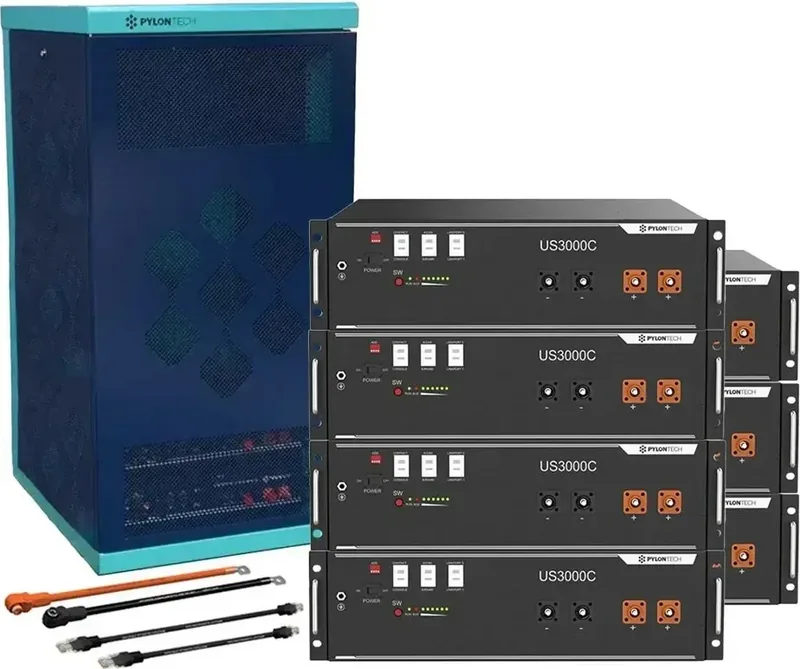
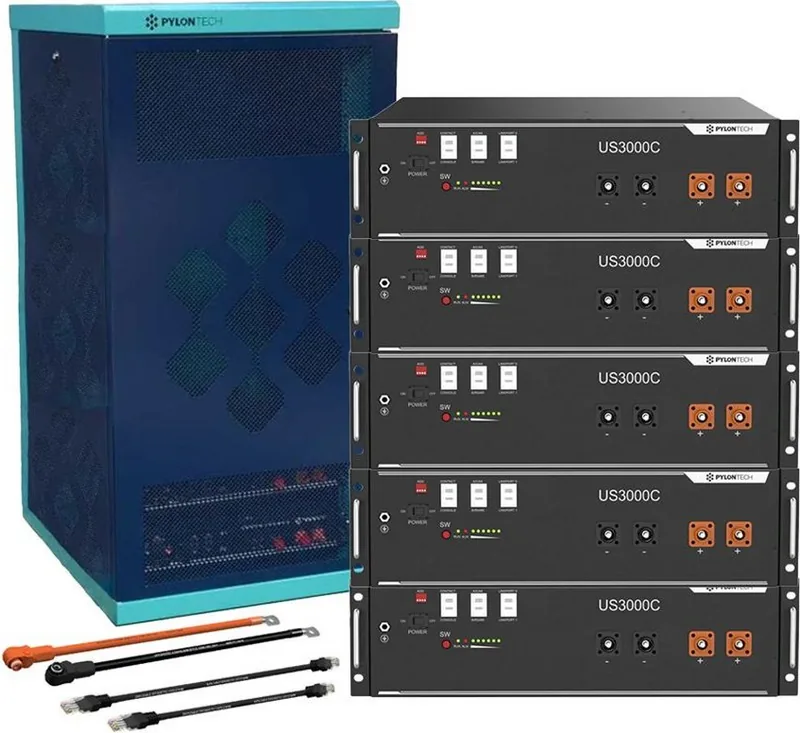
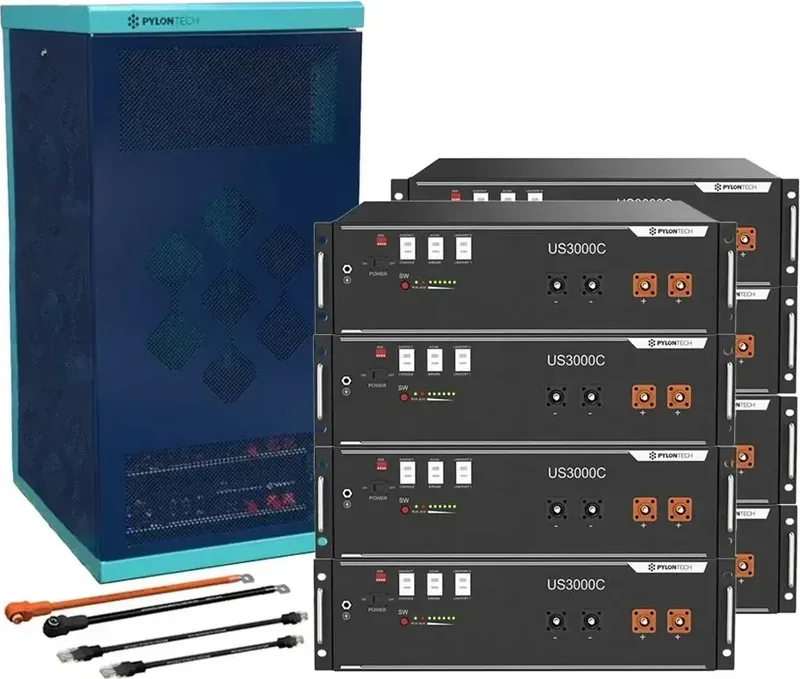
Pylontech US3000C: The Heart of Your Modern Energy Storage System
The Pylontech US3000C stands as a premier solution for residential and commercial energy storage, engineered to deliver reliable power through advanced lithium iron phosphate technology. This robust battery module integrates seamlessly into existing solar setups or grid-tied systems, offering a blend of safety, efficiency, and longevity that defines the future of renewable energy management.
At its core, the US3000C features a sophisticated built-in Battery Management System (BMS). This intelligent brain constantly monitors cell voltage, current, and temperature to ensure optimal performance while protecting against overcharging, over-discharging, and thermal runaway. With a nominal capacity of 3552Wh and a usable capacity of 3374.4Wh, it provides ample energy reserves to keep critical appliances running during outages or peak usage times. The system supports a remarkable depth of discharge up to 95%, maximizing the utility of every stored watt-hour.
Installation is designed for flexibility and ease. The unit adopts a standard 19-inch rack-mountable form factor, allowing for straightforward integration into cabinets or brackets. Whether configured as a standalone unit or expanded in multi-group parallel setups with up to sixteen modules, the US3000C maintains stable communication via RS485 and CAN protocols. Its natural cooling design ensures quiet operation, making it suitable for indoor environments without the need for noisy fans.
Safety remains the top priority throughout the lifecycle of the product. From the non-toxic LiFePO4 chemistry to the comprehensive protection circuits within the BMS, every aspect is crafted to prevent hazards. The module includes clear LED indicators for status monitoring, including run, alarm, and state of charge levels, providing immediate visual feedback on system health. For users seeking to upgrade their energy independence, the Pylontech US300C Manual serves as an essential guide to unlocking the full potential of this versatile battery.
Key Operational Notes
- Always maintain a storage State of Charge above 90% if idle for extended periods.
- Ensure grounding resistance remains below 0.1Ω for safe operation.
- Use only dry powder fire extinguishers in case of thermal events.
- Do not mix different battery generations without following strict master-slave protocols.
Search for 67,706 Manuals online


Type-in Brand or Model