Manual.ly Logo

Optrel WM 35TC Manual

0.0 · 0 Ratings

PDF manual · 60 Pages

English

M: qwen/qwen3.5-flash-20260224
page

/ 60

Loading...
84a441e441819adaa28ab3b467d0d69a3aca page 6
5
950006-01 15/02/21
PROBLEMI COMUNI E RIMEDI
Attenuazione della luce irregolare = La fascia è stata

(Regola la fascia alla distanza corretta)
        
intermittenza = La lente di protezione esterna è sporca o
danneggiata: cambia la lente di protezione. I sensori sono

Funzionamento lento
bassa: non usare la maschera a temperature più basse di
quelle indicate nelle caratteristiche tecniche.
󰀩 = La lente di protezione interna e/o esterna
è sporca: cambia la lente di protezione.
ESPLOSO RICAMBI Fig.5
1 Lente di protezione esterna
2 Filtro auto-oscurante
3 Lente di protezione interna
4 Maschera a casco
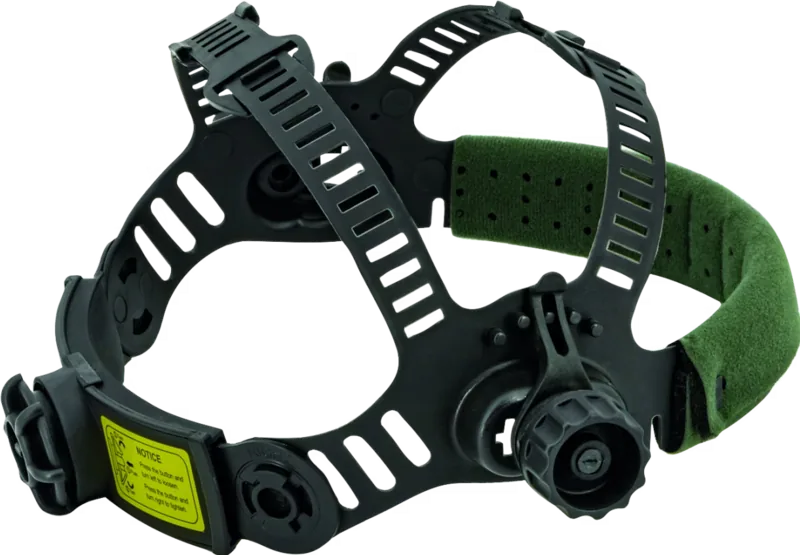
5 Fascia regolabile
6 CR2450 (WM31TC - WM35TC - WM40TC)
EN
INSTRUCTION MANUAL
WElding helmet
MANUFACTURER: DECA Spa
Strada dei Censiti, 10 Z.I. Rovereta, 47891 Falciano, Rep.
San Marino
This welding helmet mod. WM24, WM27, WM31TC,
WM35TC, WM40TC (referred to as “mask” in the text of
this manual) conform with the requirements of European
Standard EN 379, EN 166, EN175.
        
2016/425 has been carried out by :

Hüttfeldstraße 50 73430 Aalen,Germany

DIN CERTCO
Albointraße 56 12103 Berlin,Germany

Read carefully and understand this instruction manual before
using the welding helmet.

suitable with the desired welding process and current (see
Fig 1; MIG H = MIG on heavy metals; MIG L = MIG on light
alloys).
______________________________________________
The mask WH24 is marked: WH24 DECA EN 175 B CE
where:
DECA
175 number of the relevant standard
B resistance to medium impact energy
The mask WH31 is marked: WH31 DECA EN175 F 510g CE
where:
DECA
175 number of the relevant standard
F resistance to low impact energy
510g weight
The mask WH35 is marked: WH35 DECA 175 F CE
where:
DECA
175 number of the relevant standard
F resistance to low impact energy
______________________________________________
The front / inside cover lens is marked: DECA 1 F CE
DECA 
1 optical class
F resistance to low impact energy
______________________________________________

Model WM24: 3/11 DECA 1/1/1/3/379 CE. Where:
3 
11 maximum shade level DIN 11
DECA 
1 optical class
1 󰀨
1 variation of luminous transmittance class
3 angle dependence of luminous transmittance class
EN379 number of the relevant standard
Model WM27: 4-9/13 DECA 1/1/1/2/379 CE. Where:
4 light shade DIN 4
9-13 maximum shade level DIN 9-13

DECA 
1 optical class
1 󰀨
1 variation of luminous transmittance class
2 angle dependence of luminous transmittance class
EN379 number of the relevant standard
Model WM31: 4/9-13 DECA 1/1/1/1/379 CE. Where:
4 light shade DIN 4
9-13 maximum shade level DIN 9-13

DECA 
1 optical class
1 󰀨
1 variation of luminous transmittance class
1 angle dependence of luminous transmittance class
EN379 number of the relevant standard
Model WM35, WM40: 4/5-9/9-13 DECA 1/1/1/1/379 CE.
Where:
4 light shade DIN 4
5-9 minimum shade level DIN 5-9

9-13 maximum shade level DIN 9-13

DECA 
1 optical class
1 󰀨
1 variation of luminous transmittance class
1 angle dependence of luminous transmittance class
EN379 number of the relevant standard
MASK ASSEMBLY
The mask comes already assembled. Before use, it must be

(Mod. WM27, WM31TC, WM35TC, WM40TC) Before use,
set up sensitivity and shade level.
Fig 3: MASK ADJUSTMENT
SELECTING SHADE LEVEL (Mod. WM27, WM31TC,
WM35TC, WM40TC)
Select the shade level you require according to the welding
process you will use by referring to the “Shade Guide Table”
Fig 1 below for settings.
Turn the shade control knob to the shade number required
Fig.2(A).

Chat with your Optrel WM 35TC manual using AI

Get instant AI answers from your Optrel WM 35TC manual

Ask anything about the Optrel WM 35TC. Answers come from this manual, with the pages they are based on.

WM 35TC Maintenance Schedule

Before and after each use
Inspect the front cover lens

Check for cracks, missing parts, or molten metal deposits; replace if damaged.

Regularly during long welding
Inspect the welding helmet

Check for deformations or damages that might render it unsuitable.

As needed
Clean the sensor

Keep the sensor clean and unobscured to ensure proper operation.

As needed
Clean the welding helmet

Use soapy water only; chemical solvents will damage the helmet.

M: QW-35-FL

Ask a Question

0/1000

Do you recommend WM 35TC?

Yes No

Frequently Asked Questions

A

It covers a shade range from DIN 5 to DIN 13.

Is this answer helpful?

A

Yes, models like WM35TC require CR2450 batteries for night operation.

Is this answer helpful?

A

No, it does not protect against severe impacts like grinding discs.

Is this answer helpful?

A

Use soapy water on lenses and sensors, avoid chemical solvents.

Is this answer helpful?

A

It operates between minus five to plus 55 degrees Celsius.

Is this answer helpful?

A

The WM35TC features four arc sensors for better detection.

Is this answer helpful?

A

No, do not use for laser welding or oxyacetilene processes.

Is this answer helpful?

M: qwen/qwen3.5-flash-20260224

Advantages and Disadvantages

Advantages

  • Four arc sensors ensure reliable triggering from various angles
  • Solar cell power source reduces dependency on external energy
  • Wide shade adjustment range from DIN 5 to DIN 13
  • Large view area improves visibility for detailed welding
  • Compliance with EN 379 and EN 166 safety standards
VS

Disadvantages

  • Requires external batteries for some models in low sunlight
  • Not suitable for laser welding or oxyacetilene cutting processes
  • Grinding discs can cause severe impact hazards not covered
  • Sensors may need frequent cleaning to maintain responsiveness
  • Temperature limits restrict usage in very cold environments
M: qwen/qwen3.5-flash-20260224

Product Specification

Color

gray

Field of View

3.94 x 2.36 in

Power Supply

Solar, Battery

Features

Protection Class 5-13

Weight

2.12 lbs

M: qwen/qwen3.5-flash-20260224

Product Description

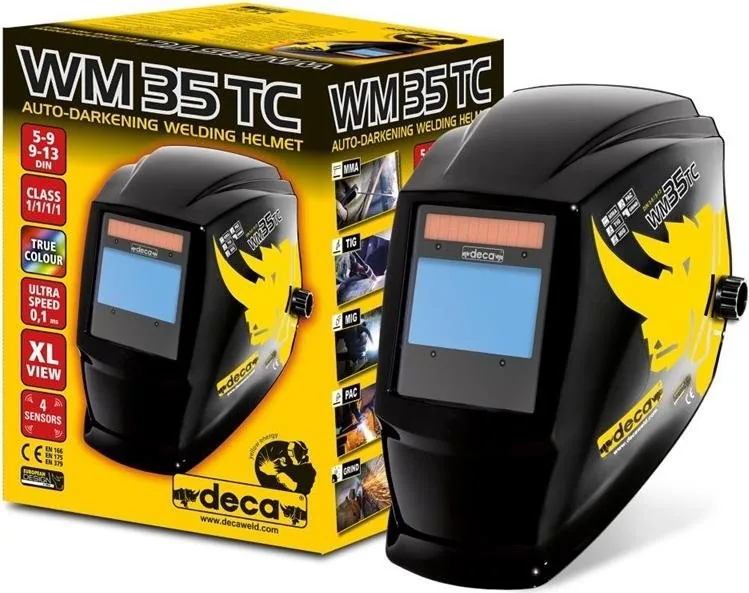
Welding requires precision and safety above all else when working with intense arcs. The Optrel WM 35TC Automatic Welding Helmet Manual highlights the critical features of this protective gear designed for professionals seeking top-tier eye protection. This unit stands out with its advanced auto-darkening filter technology ensuring eyes are shielded from harmful radiation instantly. The optical class 1 lens provides excellent clarity without distortion during high-amperage work.

The helmet features four arc sensors for reliable triggering in various positions, making it ideal for complex angles. Users can adjust sensitivity and shade levels manually to suit specific welding processes like MIG or TIG. The shade range extends from DIN 5 to DIN 13, accommodating different material thicknesses easily. With a large view area, visibility is superior during intricate tasks. Powering the system is efficient solar technology combined with backup batteries, ensuring operation in low light without constant charging needs.

Safety is paramount, certified under EN 379 and EN 166 standards ensuring compliance with European regulations. The shell withstands impacts, though grinding discs require separate protection as per safety warnings. Maintenance involves regular cleaning of lenses and sensors using soapy water, avoiding chemical solvents that damage materials permanently. Temperature ranges are specified for storage and usage, preventing malfunction in extreme cold or heat environments below minus five degrees Celsius.

Whether for construction or fabrication, understanding the settings from the guide ensures optimal protection during every weld. The adjustable headband fits various head sizes comfortably, reducing fatigue over long shifts. It is crucial to inspect for cracks regularly to maintain structural integrity. The switching time is exceptionally fast to prevent flash burns. This equipment is not suitable for laser welding or oxyacetilene processes so users must select the right gear for the job. Storing the mask flat prevents damage to the lens cartridge. The product includes replaceable protective lenses that should be swapped if pitted or scratched.

Other models like WM24 or WM40TC offer alternative sensor counts and cartridge sizes to suit different needs. The guide explains common issues like irregular darkening which may be due to uneven headbands. If the filter darkens intermittently, check the external lens for damage or dirt on sensors. Slow response often indicates low operating temperature, so usage should cease if it gets too cold outside the specified range. Proper care ensures the welder remains safe from UV radiation and flying sparks while achieving professional results on site.

M: qwen/qwen3.5-flash-20260224

© Copyright 2026 Manual.ly