
Makita PM001G Manual
PDF manual · 140 Pages
English



Quick check
Incorrect answer, please try again.
Chat with your Makita PM001G manual using AI
Get instant AI answers from your Makita PM001G manual
Ask anything about the Makita PM001G. Answers come from this manual, with the pages they are based on.
PM001G Maintenance Schedule
If the battery cartridge has not been used for more than six months, charge it to maintain maximum battery life and prevent deep discharge.
Prevents solution crystallization which causes clogging and chemical damage. Removes residual chemicals to avoid adverse effects on subsequent spraying.
Remove battery cartridges, close tank lever, remove filter cap and filter. Clean with running water, reattach filter, tighten cap, and open tank lever.
Use a dry cloth or one dipped in soapy water and wrung out. Never use gasoline, benzine, thinner, or alcohol as they may cause discoloration or deformation.
Ensure all nuts, bolts, and screws are tight. Replace worn or damaged parts with Makita parts. Cool down the machine before storage.
Free maintenance reminders
Timed to your purchase date. Always free, unsubscribe anytime.
Ask a Question
Do you recommend PM001G?
Yes NoDo you recommend PM001G?
Yes NoFrequently Asked Questions
The sprayer works specifically with Makita XGT batteries. Recommended models include the BL4050F and BL4080F. Using other battery brands may result in damage or unsafe operation due to voltage differences.
Is this answer helpful?
To switch nozzles, loosen the screw on the hose clamp to remove the front nozzle. Unscrew the standard nozzle using a wrench, transfer the O-ring to the new ULV nozzle, and screw it on securely without over-tightening to avoid damage.
Is this answer helpful?
Avoid storing or using the tool where temperatures exceed 50 degrees Celsius. Store the machine indoors in a dry place away from direct sunlight and moisture to preserve battery life and electrical components.
Is this answer helpful?
Yes, the noise power level is around 103.3 dB. You must wear ear protection to comply with safety warnings and protect your hearing during actual use conditions.
Is this answer helpful?
Ensure the main power switch is turned off before installing or removing battery cartridges. Also, never carry the machine with the trigger pulled or stored with batteries attached unless you plan to operate it immediately.
Is this answer helpful?
No. This machine is designed solely for applying chemicals, pesticides, and liquid fertilizers. Never fill the tank with potable water intended for human consumption or store food and drinks nearby to avoid contamination.
Is this answer helpful?
If the battery cartridge gets wet, drain the water inside and wipe it with a dry cloth. Dry the battery completely in a dry place before using it. Do not charge a wet battery as it creates a risk of electrical malfunction.
Is this answer helpful?
Advantages and Disadvantages
Advantages

- Cordless operation provides maximum mobility without tripping hazards from extension cords.
- Large 15-liter tank capacity reduces frequent refills during large property treatments.
- Integrated safety features automatically shut down the motor to protect user and machine.
- Compatible with existing Makita XGT 40-volt battery platforms for shared power tools.
- Variable speed and feed control allow precise application for different crop types.
Disadvantages

- Weight reaches up to 15.7 kilograms when the tank is filled with liquids.
- High noise emission level requires mandatory ear protection during operation.
- Requires careful chemical handling procedures to prevent skin irritation or injury.
- Maintenance and cleaning steps must be followed strictly to avoid nozzle clogs.
- Battery cost adds to the initial investment compared to corded competitors.
Product Specification
Tank Capacity
3.96 gal
Weight
29.10 lbs (incl. battery)
Product Description
Makita PM001G XGT Cordless Pressure Sprayer Overview
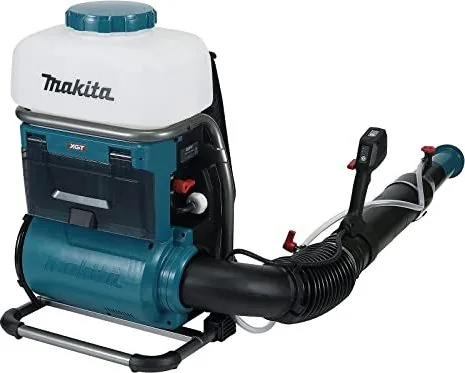
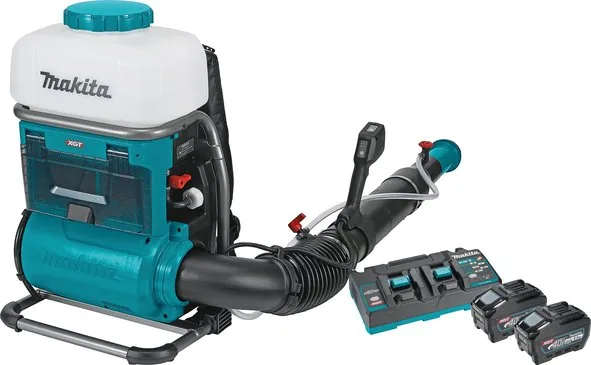
The Makita PM001G XGT Cordless Pressure Sprayer redefines professional landscape maintenance and pest control for modern growers. Designed as a robust backpack mist blower, it offers unmatched flexibility for users who require powerful performance without the restriction of electric cords. This tool integrates seamlessly into the extensive Makita XGT system, utilizing high-capacity 40-volt lithium-ion batteries like the BL4050F or BL4080F for extended runtime throughout the day. With a generous 15-liter tank, operators can cover larger commercial properties and vast estates before needing to refill, significantly boosting overall daily productivity on complex jobsites. The machine delivers impressive air volumes ranging from 7.4 to 14.3 cubic meters per minute, ensuring deep penetration into dense foliage where harmful pests often hide from sight.
Safety is a central pillar in this sophisticated engineering masterpiece. Integrated electronic protection systems automatically shut down the motor immediately if overheating occurs, an excessive load is detected, or the battery drains below a critical level. This safeguards the internal mechanical components and ensures user safety during demanding field operations. The adjustable feed amount knob allows precise control over liquid discharge rates, accommodating everything from fine mist applications required for certain specialized insecticides to heavier liquid flows for standard herbicides. Users can easily switch between standard nozzles and optional Ultra Low Volume nozzles depending on the specific agricultural treatment protocol required by their clients.
Ergonomics play a crucial role in reducing physical strain over long workdays in the field. The padded shoulder harness and sturdy back plate distribute the weight effectively, even when the tank is fully loaded with heavy water or chemical solutions. While weighing approximately 11.9 kilograms empty, the total mass increases considerably with chemicals added, yet the balance remains manageable for most trained adults. Operation involves simple lever controls for draining excess fluid and opening the nozzle, making setup and teardown quick and efficient for shifting locations quickly. Regular maintenance keeps the internal filter clean and prevents clogging issues, extending the useful lifespan of the sprayer significantly for years. For those managing vast orchards, vineyards, or large residential gardens, this cordless solution provides the necessary power while eliminating the dangerous tripping hazards associated with traditional electrical hoses. Noise levels are declared at specific decibels, requiring appropriate ear protection during prolonged continuous use sessions. Proper personal protective equipment should always be worn when handling any hazardous agricultural chemicals to ensure safe application every single time. The clear LED indicator lights on the battery pack help monitor remaining charge instantly, preventing unexpected shutdowns during critical mid-job tasks.
Maintenance and Troubleshooting Notes
Keeping this unit in peak condition involves regular inspection of filters and hoses after every session. If the motor fails to run, check that the battery cartridges are correctly installed and locked into the machine body. Should the spray pattern become inconsistent, cleaning the nozzle tip with running water usually resolves blockages. Always drain the tank completely before storing the device indoors for winter months to prevent freezing or corrosion.
Search for 67,732 Manuals online


Type-in Brand or Model