
LifeStraw Personal Manual
PDF manual · 80 Pages
English


Quick check
Incorrect answer, please try again.
Chat with your LifeStraw Personal manual using AI
Get instant AI answers from your LifeStraw Personal manual
Ask anything about the LifeStraw Personal. Answers come from this manual, with the pages they are based on.
Personal Maintenance Schedule
Regularly blow air through the LifeStraw after drinking to keep the filter clean and prevent clogging.
Rinse with safe tap water, uncap both ends, and let the LifeStraw dry before storing it.
Ask a Question
Do you recommend Personal?
Yes NoVideo Manual
How to Use Your LifeStraw Personal Water Filter
Frequently Asked Questions
The LifeStraw removes up to 99.9999% of bacteria (e.g., E. coli, Vibrio cholerae, Salmonella typhi) and 99.9% of protozoan cysts (e.g., Cryptosporidium, Giardia). It is designed to protect against microbiological contaminants, not chemical pollutants.
Is this answer helpful?
Remove both end caps, stand the straw upright in water for about 10 seconds, then take five quick sips from the mouthpiece to start flow. If the filter is dry, prime for 20 seconds before sipping. After drinking, blow air back through the straw to help clear the filter.
Is this answer helpful?
No. LifeStraw is not effective against salts, chemicals, or heavy metals. Do not use it with seawater, mining runoff, agricultural runoff, or any water known or suspected to be chemically contaminated.
Is this answer helpful?
LifeStraw filters at least 1,000 liters under standard conditions. When you can no longer draw water through the straw (suction fails or flow stops), the filter has reached the end of its useful life and should be replaced.
Is this answer helpful?
Rinse the LifeStraw with safe tap water, remove both end caps, and allow it to dry completely before storage. Regularly blow air through the straw after use to prevent clogging and maintain flow.
Is this answer helpful?
Sharing is not recommended. Sharing increases the risk of recontamination and microbial transfer. If shared use is unavoidable, ensure strict hygiene and clean the mouthpiece, though single-user use is advised.
Is this answer helpful?
Dropping or striking the unit, exposing it to extreme heat or freezing temperatures, placing the mouthpiece into contaminated surfaces, and using with dirty hands can damage the membrane or recontaminate water and reduce filtration performance.
Is this answer helpful?
Advantages and Disadvantages
Advantages

- Removes up to 99.9999% of bacteria and 99.9% of protozoan cysts
- Filters at least 1,000 liters without batteries or replacement parts
- Lightweight, slim design ideal for hiking, travel, and emergency kits
- Easy to use: prime in water, sip, and blow back to clear filters
- Low maintenance and reliable for individual use in microbiological danger zones
Disadvantages

- Does not remove chemicals, heavy metals, or salt—unsuitable for contaminated industrial or seawater
- Single-user design; sharing increases contamination risk
- Effectiveness reduced by dirty hands, contaminated mouthpiece, or recontamination after filtering
- Can be damaged by drops, impacts, or extreme temperatures, shortening lifespan
- Will stop working when clogged or after reaching its filtration capacity and then must be replaced
Product Specification
Type
Water filtration
Filter life
1,056.69 gal
Dimensions
8.86x0.98in
Weight
0.13 lb
Product Description
LifeStraw Personal Wasserfilter Manual: Compact Protection for Safe Drinking
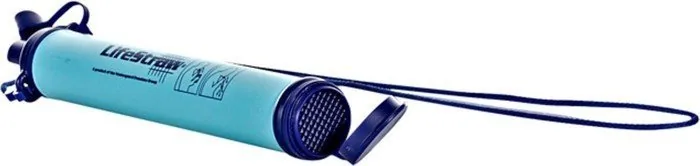
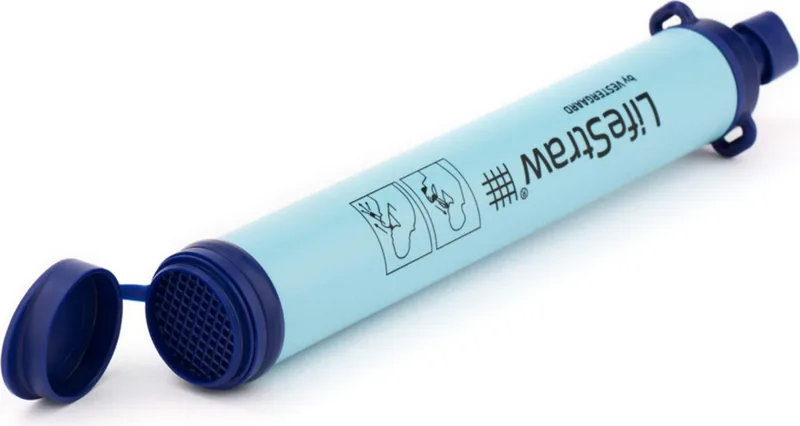
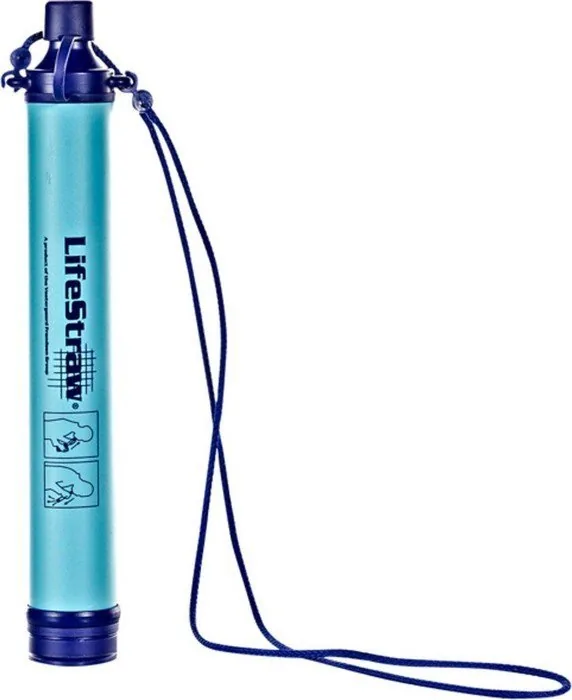
The LifeStraw Personal Wasserfilter is a lightweight, pocket-sized water filter designed for hikers, travelers, campers, and anyone needing safe drinking water on the go. Engineered with a precision microfiltration membrane, LifeStraw removes up to 99.9999% of bacteria (including E. coli, Vibrio cholerae, Salmonella typhi) and 99.9% of protozoan cysts (such as Cryptosporidium and Giardia). It requires no batteries or replacement parts and filters at least 1,000 liters during its operational life, making it a low-maintenance, reliable option for single-person use.
LifeStraw began as an emergency response tool developed in 2005 to provide safe water after natural disasters and has since become a globally used personal filtration technology. Its slender design allows users to drink directly from rivers, lakes, or containers like bottles and cups. The product is particularly valuable in areas where waterborne bacteria and parasites pose a health risk, substantially reducing the chances of diarrhea, dysentery, and giardiasis when used properly.
How to Use
To start, remove both end caps and stand the LifeStraw upright in water for about 10 seconds. Take five quick sips from the mouthpiece to prime flow. If the filter has been dry, prime it for 20 seconds and then sip. After drinking, blow air back through the straw to clear the filter and reduce clogging. When returning from trips, rinse with safe tap water, remove caps, and let the filter dry before storage. The inability to draw water indicates the filter has reached the end of its useful life and should be replaced.
Safety and Limitations
LifeStraw is intended solely for filtering microbiological contamination — it does not remove chemical pollutants, heavy metals, or salt. Never use it for seawater, chemically contaminated sources (like mining runoff or agricultural runoff), or water known to be chemically polluted. The filter’s effectiveness can be compromised by poor hygiene (dirty hands, contaminated mouthpiece), sharing between users, extreme temperatures (freezing or very high heat), or dropping/impact that damages the housing or membrane. Keep the mouthpiece cap closed when not in use and discontinue use if cracks appear, especially on the dark blue lower section.
Practical Notes
- Ideal for solo outdoor activities and emergency kits.
- No consumables required during its rated lifetime.
- Simple maintenance: prime, sip, and backflush by blowing.
Notes
- Not suitable for chemically contaminated or saline water.
- Lifespan depends on water conditions and frequency of use.
- Monitor suction; reduced flow means end of life.
Search for 67,706 Manuals online


Type-in Brand or Model